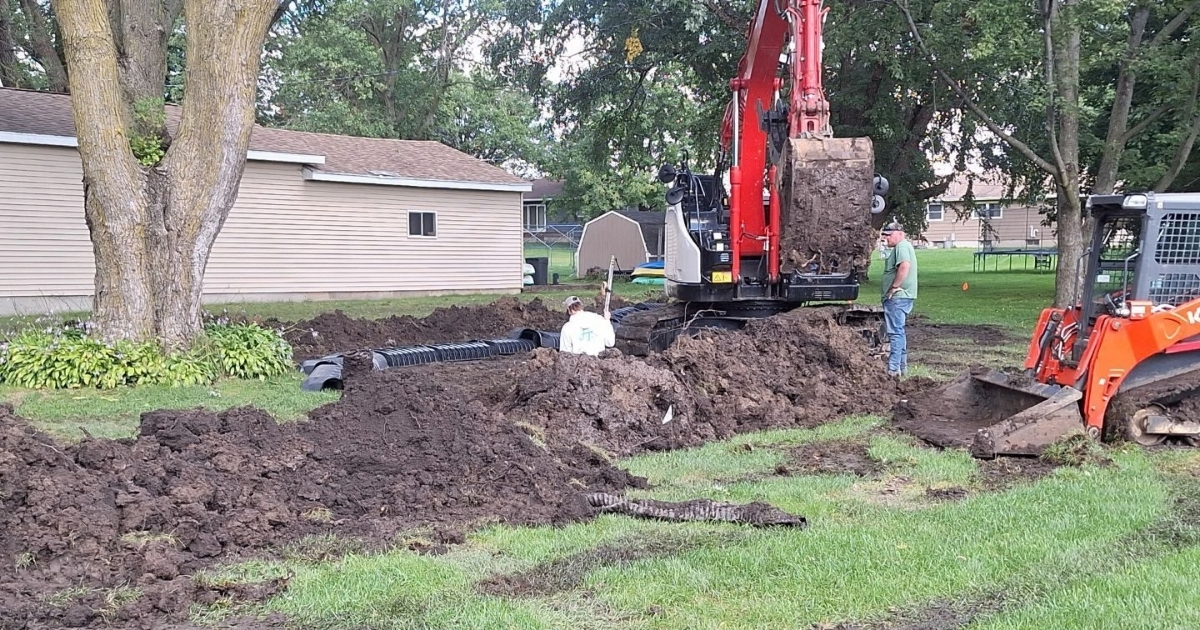
New home excavation in Waverly, Iowa, sets the stage for everything you build next. Crews clear the lot, dig the foundation, and prepare the ground for utilities. Mistakes at this stage cause drainage problems and delays later. This guide explains each step, the rules that apply, and the factors that shape your project.
What New Home Excavation Includes
Excavation prepares your land for construction before any framing begins. Crystal’s excavation services cover the full job, from site prep to cleanup. On a new build, the work usually includes:
- Site clearing and grading
- Basement and foundation digging
- Water and sewer hookups
- Septic system installation for rural lots
- Trucking for soil, gravel, and other materials
Each task builds on the one before it. A careful sequence keeps your project on schedule and on budget.
The New Home Excavation Process
Site Evaluation and Planning
Every project starts with a close look at the lot. Crews and builders review the slope, drainage paths, and access for heavy equipment. A land survey confirms your property lines and setbacks, so the house sits where local rules allow. They mark the house footprint from your building plans. Your builder or engineer may also order soil tests to guide the foundation design.
Utility Locates
Iowa law requires you to call 811 at least 48 hours before you dig. Weekends and legal holidays do not count toward those 48 hours. The free Iowa One Call service alerts utility owners, who then mark buried lines. This step protects your crew from gas, electric, water, and communications lines. Confirm your contractor handles it before work begins.
Clearing and Grading
Crews remove trees, brush, and topsoil from the building area. They often stockpile the topsoil for final landscaping. Crews also install erosion control, such as silt fence, to keep soil on your lot. Next, they grade the lot so water flows away from the house. Proper grading protects the foundation and keeps water from pooling near your walls.
Digging the Basement or Foundation
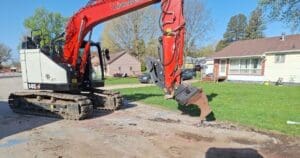
Crews dig to the depth your plans require. Footings must sit below the frost line, so winter freezing cannot heave the foundation. Basement digging demands precise measurements, level footings, and stable walls. Crystal handles basement digging with heavy equipment built for tough jobs.
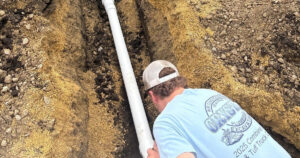
Utility Trenches and Hookups
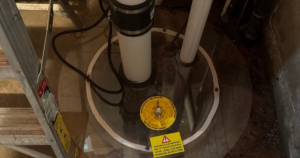
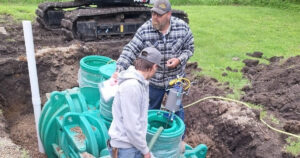
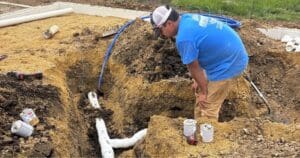
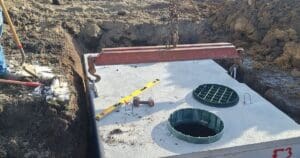
Once the foundation stands, crews trench for water and sewer lines. Your home connects to a city system or to a well and septic system, depending on the lot. Crystal offers water and sewer hookups and septic system installation. Rural lots often need a septic system, so crews plan its location early. Crystal also provides new construction plumbing, so one company can cover both the trench and the pipe.
Backfill and Final Grading
When the foundation crew finishes, excavators backfill around the walls. They compact the soil in layers to prevent settling. Final grading then shapes the yard for drainage and landscaping. A well-graded lot keeps your basement dry and your yard usable.
How Foundation Type Changes the Dig
Your foundation choice sets the depth, the soil volume, and the timeline for excavation.
Full Basement
A full basement requires the deepest dig and the most soil removal. Crews haul excess soil off-site or stockpile it for backfill. This option adds usable living space, so it needs careful drainage planning.
Crawl Space
A crawl space needs a shallower excavation. Crews still dig footings below the frost line and grade the surrounding ground for drainage.
Slab on Grade
A slab foundation needs the least digging. Crews prepare a level, compacted base, so grading accuracy matters most.
How Long New Home Excavation Takes
Timing depends on lot size, soil conditions, weather, and the scope of work. A flat lot with dry soil moves faster than a sloped or wet lot. The steps follow a set order, so a delay in one step pushes back the next. Your framing crew cannot start until the foundation and backfill are ready. Share your building schedule with your excavator early.
Permits and Rules for New Home Excavation
Several rules apply before the first bucket of dirt moves. Iowa One Call locates come first, as covered above. Larger lots also trigger stormwater rules.
The Iowa DNR requires General Permit No. 2 for construction that disturbs one acre or more. According to Iowa’s stormwater permit guidelines, the permit also covers smaller sites that belong to a larger development plan. It requires an erosion and sediment control plan for the site.
Your city or county may also require building or grading permits. Ask your builder which local permits apply to your lot.
What Affects Your Excavation Project
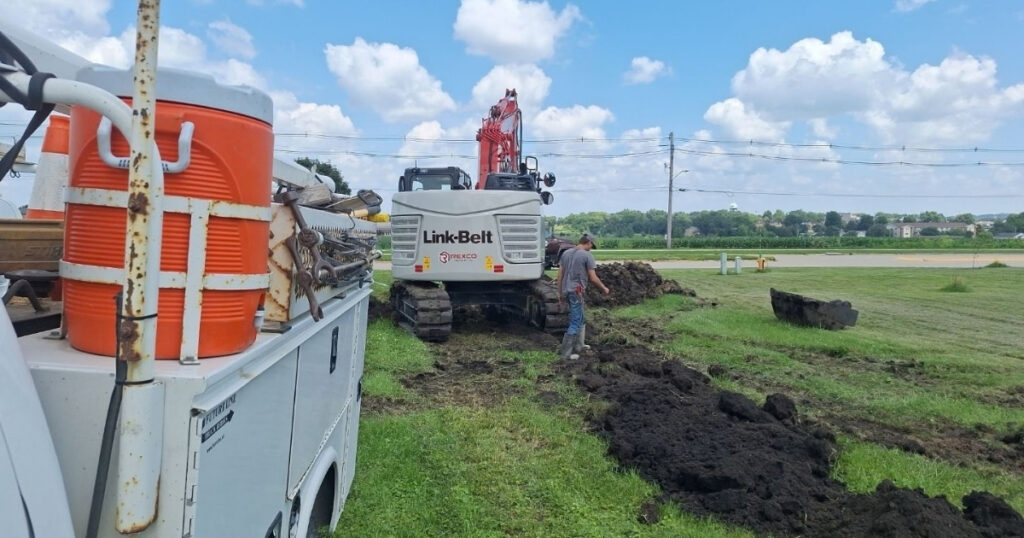
Several site conditions change how long the work takes and how much it costs.
Soil and Groundwater
Clay, sand, and rock all dig differently. Soft or wet soil may need extra stabilization before crews pour footings. A high water table can also change your basement plans.
Lot Size and Slope
Steep or uneven lots need more grading and sometimes retaining walls. Large lots need more time for clearing and hauling.
Weather and Season
Rain turns a site to mud and delays digging. Frozen ground slows work in winter and often requires extra equipment time. Plan your schedule with your builder around Iowa weather.
Site Access
Heavy equipment needs a clear path to the lot. Narrow driveways, tall trees, and nearby structures slow the work. Mark any well, tree, or fence line you want to protect.
Common Excavation Problems to Avoid
Most excavation problems trace back to a few avoidable mistakes:
- Skipping the 811 call, which risks damaged utility lines and penalties.
- Grading the lot toward the house instead of away from it.
- Backfilling without compacting the soil in layers.
- Ignoring soft soil or groundwater before crews pour footings.
- Starting work without the permits your lot requires.
Start Your New Home Excavation in Waverly
Crystal has served Waverly and Bremer County since 1930. Our crews prepare your lot from site prep to final grade. Tell us your lot address and building plans, and we will outline the next steps. Call Crystal or request a free quote for your new home excavation in Waverly, Iowa.