Winter excavation is a topic that raises many questions. Homeowners and businesses in Iowa often grapple with the challenges of operating in frozen ground, unpredictable weather, and the extra precautions necessary for getting the job done safely and effectively during the coldest months.
In this comprehensive guide, we discuss the feasibility of winter excavation in Iowa, explore its benefits and potential obstacles, and provide detailed insights into how experienced contractors manage cold-weather digging projects. Whether you are planning a small residential project or a large commercial endeavor, understanding winter excavation in Iowa’s climate can help you make informed decisions and set realistic expectations.
Understanding the Unique Challenges of Winter Excavation
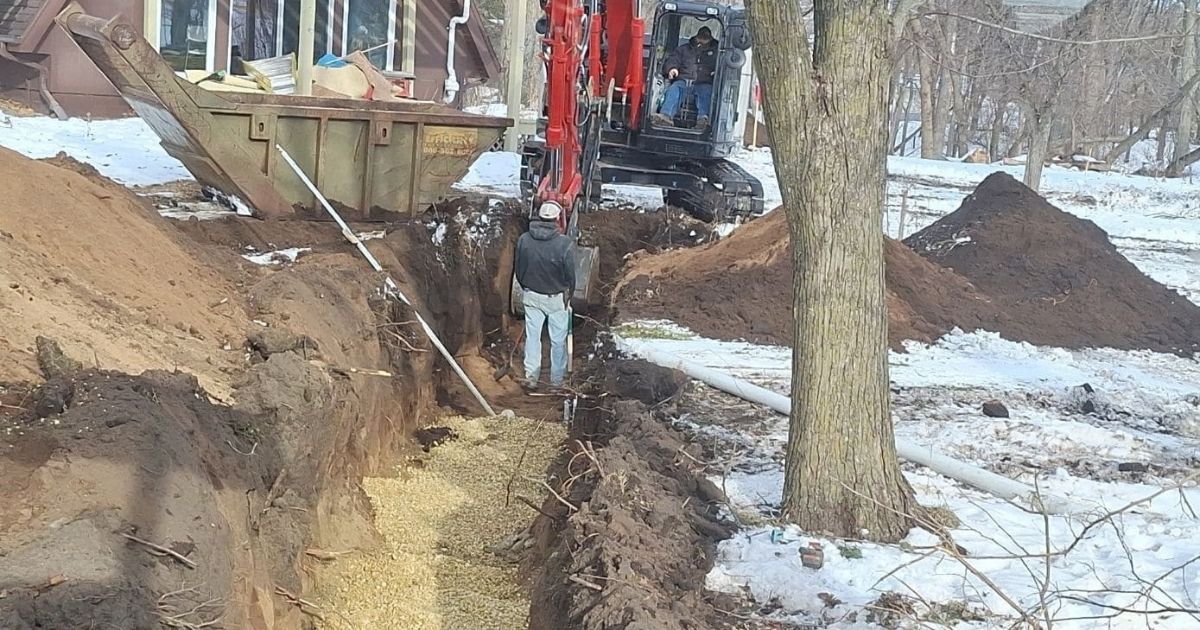
Winter excavation comes with its own set of challenges. In Iowa, where winters can be brutally cold and accompanied by snow, the ground often freezes solid, making traditional digging techniques less effective. Contractors need to adopt specialized methods and equipment, and the planning process must be more rigorous than in warmer months.
Key Factors Affecting Winter Excavation
Several factors must be considered when planning excavation in winter:
- Frozen Ground: Frozen soil is harder to break than soft, moist earth. This can slow down the process and require extra time and additional equipment.
- Weather Variability: Unpredictable snowfall and temperature fluctuations may affect project timelines and working conditions.
- Safety Measures: Ice and snow create hazardous work environments, thus requiring enhanced safety protocols to protect workers and property.
- Equipment Considerations: Special machinery and techniques are needed for effective excavation in frozen conditions, potentially increasing costs.
In addition to addressing these challenges, experienced contractors are often able to recommend the best strategies to mitigate risks, ensuring that excavation proceeds smoothly even in winter conditions.
How Experienced Contractors Tackle Cold-Weather Excavation
Expert contractors bring a wealth of experience when it comes to winter excavation. Their knowledge of local conditions, combined with advanced equipment, permits them to manage risks, anticipate challenges, and ensure efficient workflow. Here are the primary techniques and strategies used during winter excavation in Iowa:
Pre-Project Planning and Site Assessment
Before the first shovel is in the ground, a thorough site assessment is essential. Contractors carefully evaluate the project site, looking for:
- The stability of the soil and the extent of freezing.
- Potential water accumulation or drainage issues caused by melting snow.
- Nearby structures and underground utilities that could be impacted by the excavation work.
This careful planning helps avoid unexpected surprises during excavation, ensuring that the project stays on track even when the weather is less than cooperative. An experienced contractor might also conduct a geotechnical analysis to accurately assess soil conditions, which in turn informs the selection of the most suitable equipment and techniques.
Equipment and Techniques Designed for Frozen Conditions
Modern excavation equipment is designed to operate under a broad range of conditions, including the hard, frozen ground of Iowa winters. Contractors employ a variety of specialized approaches:
- Pre-heating Equipment: In some cases, equipment is pre-heated to prevent freezing and to ensure smooth operational performance.
- Hydraulic Breakers and Vibratory Tools: These tools can break through frozen layers more effectively than traditional methods.
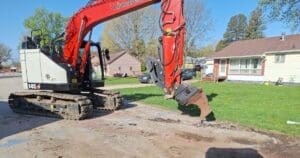
- Custom Attachments: Specialized attachments to the excavators can be used to manage the increased hardness of the soil.
This sort of specialized approach not only makes the process more efficient but also reduces the risk of damage to the site and equipment.
Enhanced Safety Protocols
Safety is paramount during winter excavation. Contractors implement numerous precautions to protect both workers and the job site:
- Regular Safety Inspections: Frequent checks of the work area ensure that hazards like shifting ice or unstable terrain are dealt with promptly.
- Worker Training: All team members are thoroughly trained to work safely in adverse weather conditions.
- Appropriate Clothing and Protective Gear: Wearing insulated, weather-appropriate clothing is essential to protect workers from the cold and prevent injuries.
These enhanced safety measures contribute to the overall success of the project, ensuring that delays related to weather or accidents are minimized.
Benefits of Winter Excavation in Iowa
Despite the challenges that winter excavation presents, there are notable benefits that make it a feasible and sometimes even preferable option for certain projects.
Less Disruption in Busy Construction Seasons
One of the primary benefits of winter excavation is that it often occurs during a period when construction activity is at its lowest. This can lead to fewer delays caused by traffic congestion or scheduling conflicts with other contractors. Additionally,:
- Contractors may have more available time and resources during the winter months.
- Project scheduling may face fewer obstacles from competing projects, resulting in faster turnaround times.
Cost-Effectiveness
When planning projects during the off-season, clients might take advantage of lower rates. Contractors, recognizing the challenges of winter work, often provide competitive pricing to secure business during slow periods. This strategy can offer significant cost savings:
- Flexible Pricing: Many companies are willing to negotiate rates for winter projects in exchange for reliable work during slower months.
- Bundled Offers: Some contractors may provide package deals that include additional services at a reduced overall cost.
Better Site Conditions for Certain Projects
Certain excavation projects benefit from the unique conditions provided by winter weather. For example, removal and replacement of frozen soil in preparation for foundation work can be more predictable if the soil conditions remain constant throughout the season.
Practical Considerations When Scheduling a Winter Excavation Project
Planning is the key to success in winter excavation projects. Homeowners and project managers should consider the following aspects when scheduling and planning an excavation project during Iowa’s winter months:
Timing and Weather Forecasts
When scheduling winter excavation, choosing the optimal time can make a significant difference in outcomes. Consider the following:
- Temperature Fluctuations: Ideal periods for excavation are those when temperatures are stable, and the ground is less likely to experience extreme freeze-thaw cycles.
- Seasonal Weather Patterns: Early winter, where ground temperatures are cold but still somewhat pliable, might be better than the dead of winter when the soil is rock-solid frozen.
- Weather Forecasts: Closely monitoring local weather forecasts can help pinpoint a window where the risk of sudden snowfall or dramatic temperature drops is low.
Soil and Site Preparation
Proper site preparation is crucial. Before excavation begins:
- Clear the Area: Remove any obstacles, debris, and snowfall that may impede access to the site.
- Improve Drainage: Ensure the site is adequately prepared to manage water runoff from melted snow, preventing waterlogging once the ground thaws.
- Stabilize Surroundings: In some cases, additional support may be required to prevent nearby structures from being affected by the excavation work.
How to Choose the Right Contractor for Winter Excavation
Choosing the right contractor is paramount when undertaking any excavation project, especially during winter months. Not all companies have the necessary experience or equipment required to handle the unique challenges presented by cold-weather working conditions. Here are some tips:
Key Qualities to Look For
When selecting a contractor for your winter excavation project, consider the following qualities:
- Experience with Cold-Weather Projects: Look for companies that have successfully completed projects in similar conditions.
- Local Knowledge: Contractors familiar with Iowa’s winter climate and soil conditions are more likely to deliver successful outcomes.
- Safety Record: A proven track record of maintaining high safety standards during winter operations is crucial for minimizing risks.
- Transparent Pricing: Ensure that the contractor provides clear and competitive pricing, taking into account any premium charges for winter operations.
Questions to Ask Potential Contractors
When talking to potential contractors, consider asking the following questions:
- How many winter excavation projects have you completed in Iowa?
- What specialized equipment do you use for cold-weather conditions?
- Can you provide references or case studies from similar projects?
- How do you ensure worker safety in extreme winter weather?
- What contingency plans do you have in place for unexpected weather disruptions?
Obtaining detailed answers to these questions can help you evaluate the contractor’s competence and reliability, ensuring that your project is in capable hands.
Frequently Asked Questions
Homeowners and project managers often have questions about winter excavation. Below are some of the most frequently asked questions, along with detailed answers to help demystify the process:
Is Excavation Possible During the Coldest Parts of Winter?
Yes, excavation is possible even during the coldest parts of winter in Iowa. However, it requires careful planning, specialized equipment, and experienced contractors knowledgeable about working in frozen conditions. Contractors must be prepared to adjust methods based on the specific degree of soil frost and weather conditions during the job.
What Kind of Equipment Is Best Suited for Winter Excavation?
Specialized equipment that may be used includes hydraulic breakers, vibratory tools, and excavators equipped with custom attachments to handle the hard and frozen ground. Additionally, some contractors employ pre-heated machinery to mitigate the effects of extreme cold on mechanical performance.
How Does Frozen Ground Affect Project Timelines?
Frozen ground typically increases the time needed for excavation because it is more challenging to break through than thawed soil. However, a well-planned schedule, accurate weather forecasting, and adaptive techniques can help mitigate delays. Contractors account for these factors by building extra time into the project schedule and adjusting strategies as needed.
Are There Additional Costs Involved with Winter Excavation?
Winter excavation can sometimes incur additional costs due to specialized equipment usage, extended project timelines, and enhanced safety measures. However, many contractors offer competitive pricing during the winter season due to lower overall construction demand, potentially offsetting these extra expenses.
Conclusion
Winter excavation in Iowa is not only possible but can be executed successfully with the proper planning, equipment, and expertise. While the challenges of frozen ground and hazardous weather conditions require additional precautions and specialized techniques, the benefits—such as less competition during off-peak construction seasons and potential cost savings—often outweigh the difficulties.
At the heart of a successful winter excavation project lies the experience and foresight of a dedicated contractor. By conducting thorough site assessments, employing specialized equipment, and rigorously adhering to safety protocols, these professionals ensure that your project is completed safely, on time, and to the highest standards.
In summary, if winter excavation is on your agenda in Iowa, consider these key steps:
- Conduct a detailed site and soil assessment
- Use specialized equipment adapted for cold weather
- Implement robust safety protocols
- Work with an experienced contractor who understands local conditions
- Plan diligently and monitor weather forecasts closely
With these best practices in place, winter excavation can be not only feasible but also a smart strategic decision that ensures both efficiency and cost-effectiveness. Don’t let the winter chill stop you from moving forward with your excavation plans.