Your septic system is a critical part of your home’s infrastructure, quietly working to process wastewater while keeping your environment safe. However, not everything that goes down the drain is beneficial for your septic tank.
In this comprehensive guide, we explain how everyday household items can cause extensive damage, provide clear guidelines on what to avoid flushing, and offer practical tips on how to maintain your septic system in peak condition. We encourage you to read through our expert tips and consider contacting our services if you need professional advice or maintenance for your septic system.
Understanding the Basics of Septic Systems
Septic systems are designed to separate solids from liquids and allow bacteria to naturally break down waste. While this process can be highly efficient, it is also delicate and sensitive to foreign materials. Our goal is to help you understand the delicate balance involved and how improper disposal can disrupt your system. Proper care ensures long-term functionality, reducing the risk of expensive repairs or environmental hazards.
How a Septic System Works
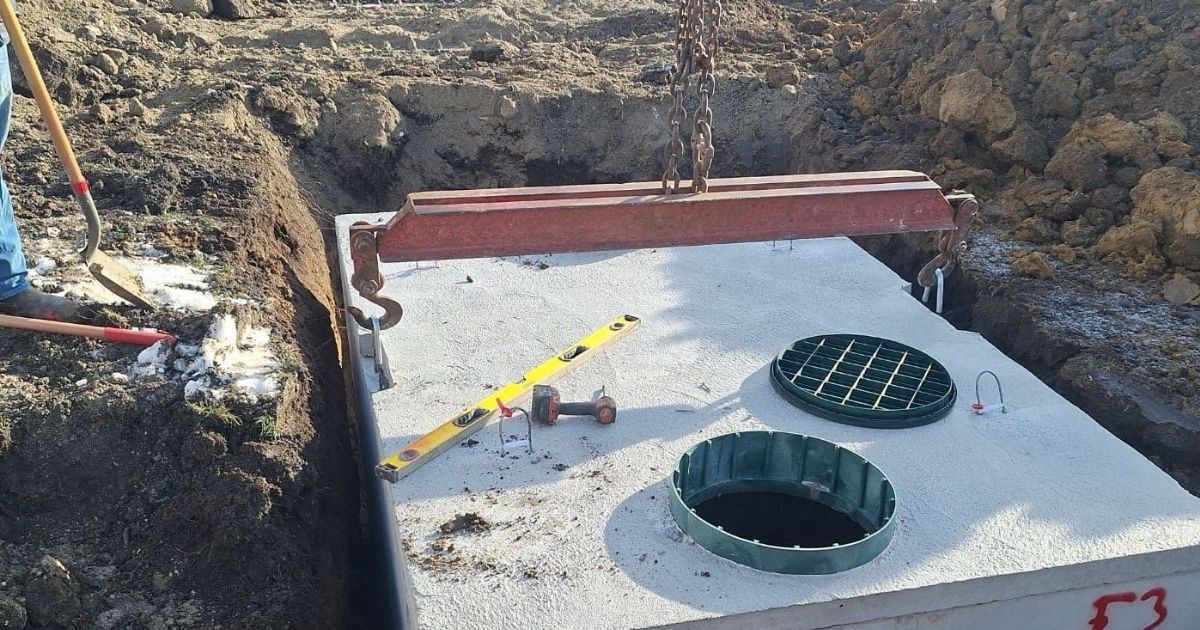
Your septic system typically consists of a septic tank and a drain field. In the tank, wastewater holds long enough for solids to settle at the bottom, where bacteria begin to break them down. The clarified liquid then flows into the drain field, where it is further filtered by the soil before reaching groundwater supplies.
Maintaining this process requires that only appropriate waste enters the system. When other materials, such as non-biodegradable objects or harsh chemicals, disrupt the treatment process, the entire system can become clogged or unbalanced, potentially leading to system failure.
Key Components of a Septic System
It is essential to recognize and understand the components of a septic system:
- Septic Tank: The primary chamber where waste is separated into sludge, scum, and effluent.
- Bacterial Action: Beneficial bacteria break down organic matter, facilitating a natural treatment process.
- Drain Field: Also known as the absorption field, this component is responsible for filtering and dispersing treated wastewater safely into the soil.
Knowing what components are involved can help you appreciate why even small changes in what goes down your drain can have major consequences.
What NOT to Flush: A Comprehensive List
While many households simply flush toilet paper and human waste, there are numerous other substances that should never be sent down the drain. Below we provide a detailed list of items that can cause significant damage to your septic system if flushed:
Non-Biodegradable Materials
These items do not break down naturally in your septic tank, leading to buildup and clogs:
- Sanitary Products: Items such as tampons, sanitary pads, and condoms are designed to resist water and are not intended to disintegrate.
- Cigarette Butts: Besides containing toxins, the filters do not break down, accumulating over time.
- Dental Floss: This can get tangled with other waste, causing blockages.
- Plastic: Any type of plastic including wipes with plastic fibers should never be flushed.
Chemical and Hazardous Waste
Chemical waste can disrupt the bacterial balance inside your septic tank:
- Paints and Solvents: These substances can eliminate beneficial bacteria, making it harder for organic waste to decompose.
- Automotive Fluids: Oils, antifreeze, and other chemicals may contaminate your soil and groundwater.
- Household Cleaners: Although many are touted as safe, even a small amount of harsh chemicals can damage your septic system over time.
Food and Grease
While it might seem harmless to dispose of leftover food via the drain or garbage disposal, doing so can cause trouble:
- Grease and Oils: Once these substances cool down, they solidify, potentially clogging both pipes and the septic system itself.
- Large Food Particles: Solid food waste that is not fully broken down rises to the top or settles at the bottom and does not easily decompose.
Other Problematic Items
Additional materials that should not be flushed include:
- Pharmaceuticals: Unused or expired medications can harm the microbial life essential for breaking down waste.
- Condoms and Other Hygiene Wipes: These often contain non-biodegradable materials and chemicals that can disrupt the septic process.
- Cat Litter: Even those which advertise being flushable should not be disposed of in septic systems as they cause blockages and are heavy with clumps.
Why Flushing the Wrong Items is a Costly Mistake
Flushing incorrect items can lead to a cascade of problems:
- System Clogs: Non-degradable materials accumulate, hindering the proper flow in both pipes and the septic tank.
- Bacterial Imbalance: Chemicals can reduce or eliminate the bacteria necessary for waste breakdown.
- Environmental Hazards: Malfunctioning systems can cause contaminated wastewater to leak into your yard and groundwater.
- Expensive Repairs: Preventative maintenance is far less expensive than extensive repairs or complete replacement of the septic system.
Understanding these consequences emphasizes the importance of each household member adhering to careful disposal practices.
Expert Tips and Best Practices for Septic System Care
Proper care of your septic system involves more than just being cautious about what you flush. Here are some expert tips and daily practices that can help ensure your system operates efficiently without interruption:
Regular Maintenance and Inspection
Scheduling professional inspections can catch problems before they escalate. Consider these steps:
- Professional Inspections: Have your system inspected every 3 to 5 years by a qualified technician.
- Regular Pumping: Depending on your usage, your septic tank might need to be pumped every 3 to 5 years.
- Record Keeping: Maintain a detailed log of maintenance activities and any unusual system behavior.
Regular interventions by professionals not only extend the life of your septic system but also safeguard your home and the wider environment.
Educating Household Members
Ensuring that everyone in your home understands the importance of proper waste disposal is essential. Here are some ways to promote awareness:
- Clear Instructions: Place visible information near your toilet and kitchen sinks outlining what can and cannot be flushed.
- Household Meetings: Discuss septic system care during family meetings to ensure everyone understands the impact of improper disposal.
- Visual Aids: Consider using informative posters or short videos to reinforce the message.
Taking steps to educate all users in your household is a simple yet effective strategy to protect your septic system.
What to Do in Case of a Septic Emergency
No matter how careful you are, sometimes emergencies can occur. Being prepared can help minimize damage:
- Know the Signs: Slow drains, unpleasant odors, and pooling water in your yard are warning signs of septic system trouble.
- Immediate Action: If you suspect a blockage or other failure, contact a professional immediately.
- Keep Emergency Contacts Handy: Maintain a list of qualified septic service providers, and consider keeping it near your phone for quick access.
Quick and decisive action during a septic emergency can save you from extensive damage and high repair costs.
Practical Alternatives to Flushing Problematic Items
Understanding what not to flush is only one part of effective septic system care. Equally important is knowing how to dispose of waste responsibly. Here are some practical alternatives:
Disposing of Non-Biodegradable Items
Many items routinely flushed can be disposed of properly through regular trash:
- Sanitary Products: Place these in a designated waste bin with a secure lid to prevent accidental disposal in the toilet.
- Cigarette Butts: Use an ashtray or a dedicated bin for smoking waste. If you are disposing of them, make sure they are extinguished and wrapped.
- Dental Floss and Other Plastics: These should always be placed in the trash where they can be collected and managed as non-organic waste.
Handling Chemical and Hazardous Waste
Household hazardous waste should never be mixed with your regular sewage. Instead, use designated disposal services:
- Local Disposal Centers: Research local hazardous waste disposal centers that accept paints, solvents, and automotive fluids.
- Recycling Programs: Some household chemicals can be recycled or repurposed when handled correctly.
- Safe Storage: Until proper disposal, ensure that chemicals are stored in clearly marked, secure containers away from the septic system’s influence.
Best Practices for Food Waste
When dealing with food leftovers, consider these highly effective practices:
- Composting: Organic food waste is ideal for composting, reducing the load on your septic system while benefiting your garden.
- Proper Disposal Methods: If composting is not an option, ensure food waste is disposed of in the trash. Dispose of grease and oils in a container that can later be managed as waste safely.
The Long-Term Benefits of Caring for Your Septic System
When you take proactive steps to protect your septic system, the rewards are substantial. Beyond preventing system breakdown and costly repairs, effective septic management offers broader ecological benefits:
- Environmental Protection: A well-maintained system reduces the risk of contaminating local waterways and soil, safeguarding the health of your community.
- System Longevity: Routine maintenance and proper waste disposal ensure that your septic system continues to function efficiently over many years.
- Cost Efficiency: Avoiding damage means you spend less money on repairs or replacements, allowing you to invest those savings elsewhere in your home.
- Peace of Mind: Knowing that you are taking responsibility for maintaining your system alleviates anxiety about unexpected emergencies.
Investing in your septic system now means reaping the benefits of an efficient, trouble-free system for the long term.
Frequently Asked Questions
We understand that managing your septic system involves many nuances. Below are some frequently asked questions to help clarify common concerns related to septic system care:
Why Is It Harmful to Flush Non-Biodegradable Items?
When non-biodegradable items enter your septic system they accumulate over time, interfering with the bacterial process that breaks down waste. This accumulation can lead to blockages or force you to undergo more frequent maintenance, both of which can become very costly.
How Can I Tell If My Septic System Is Failing?
Look for the following signs that indicate your septic system may be in distress:
- Slow-draining toilets and sinks
- Unpleasant odors near the septic tank or drain field
- Pooling water or unusually damp areas in your yard
- Sudden and persistent backups in your plumbing system
If you notice any of these issues, it is best to contact a professional immediately to avoid further complications.
What Maintenance Routine Should I Follow?
A proper maintenance routine is essential for a healthy septic system. We recommend:
- Having your septic system inspected every three to five years
- Pumping the septic tank as needed, usually every three to five years depending on usage
- Avoiding the disposal of hazardous chemicals and non-degradable items
Adhering to this routine not only keeps your system operating efficiently, but it also protects your investment over the long term.
Conclusion
Maintaining your septic system means understanding and practicing proper disposal methods. By avoiding flushing non-biodegradable items, hazardous chemicals, and even certain food wastes, you contribute to the efficient operation of your septic system, protect your home’s infrastructure, and safeguard the environment.
A proactive approach to septic care not only maximizes system longevity but also minimizes the risks of costly repairs or environmental damage. Implement the expert tips shared in this guide and be sure to schedule regular maintenance checks with a trusted septic service provider. Your actions today protect your investment for the future, ensuring clean and safe wastewater handling backed by modern technology and informed care practices.