As the crisp winds of fall gradually give way to the harsh chill of Iowa winters, now is the perfect time to ensure your HVAC system is fully prepared to keep your home warm and comfortable. Whether you’re a longtime homeowner or a newcomer to the challenges of Iowa winters, this guide will walk you through essential steps like furnace maintenance, filter replacement, thermostat programming, and cold weather readiness checks. Investing a little time now can prevent costly repairs later and ensure your heating system is running efficiently when you need it the most.
Why Winter HVAC Preparedness Matters in Iowa
Iowa winters bring extreme conditions that can strain your HVAC system. Equipment that has not been properly maintained may suffer from:
- Reduced Efficiency – A malfunctioning HVAC unit may run longer and work harder to maintain desired temperatures.
- Higher Energy Bills – Inefficiencies lead directly to increased energy consumption and higher costs.
- Unexpected Breakdowns – Failures during the coldest days can leave you without heat when you need it most.
By taking a proactive approach to winter HVAC prep, you can mitigate these risks and enjoy peace of mind throughout the season.
Furnace Maintenance: Keeping Your Heating System in Top Shape
Furnace maintenance should be at the top of your winter preparation list. Regular servicing not only prolongs the life of your system but also helps it run more efficiently. Here are some key points to consider:
- Annual Inspection – Schedule a professional inspection before winter sets in to check for potential issues like worn-out parts, leaks, or blockages.
- Cleaning the Furnace – Dust and debris can accumulate over time. A thorough cleaning of the burners, heat exchanger, and blower motor will enhance performance.
- Lubrication – Components that require lubrication should be attended to prevent friction and unnecessary wear.
- Safety Checks – Ensure that the heat exchanger is free from cracks or damage, which can pose health risks due to carbon monoxide leaks.
If you notice any odd noises, inconsistent heating, or unexpected shut-offs, it might be time to contact a certified HVAC technician. Call us today to schedule a professional furnace check-up.
DIY Furnace Maintenance vs. Professional Service
While routine tasks such as changing filters or cleaning accessible parts can be handled by vigilant homeowners, some maintenance tasks are best left to professionals. Consider the following guidelines:
- Do It Yourself:
- Changing the air filter
- Cleaning the furnace exterior
- Checking thermostat settings
- Professional Service:
- Detailed inspections and cleaning of internal components
- Repairing or replacing malfunctioning parts
- Conducting safety tests for carbon monoxide leaks
An occasional professional service not only prevents small issues from growing into larger problems but also ensures your warranty remains intact.
Filter Replacement: A Small Change for Big Savings
One of the simplest, yet most impactful, steps in maintaining your HVAC system is regular filter replacement. A dirty filter forces your system to work harder, which can lead to increased wear and higher energy bills.
Here are some best practices for filter management:
- Frequency: Replace your HVAC filter at least once every three months, or more frequently if you have pets or allergies.
- Selecting the Right Filter: Use filters that are specifically recommended by your HVAC manufacturer. Higher MERV (Minimum Efficiency Reporting Value) ratings might trap more particles, but ensure your system is compatible.
- Installation: Always turn off the HVAC system before removing and inserting a new filter to avoid pushing dust into your ducts.
Thermostat Programming: Optimizing Your Indoor Climate
Modern thermostats allow for programmable temperature settings that help you balance comfort with energy efficiency. Adjusting your thermostat can lead to significant savings and a consistently warm home during winter.
Consider the following tips when programming your thermostat:
- Set It and Forget It: Program your thermostat to lower the temperature when you’re asleep or away from home. When you return, a warm home awaits you.
- Smart Thermostats: Investing in a smart thermostat provides remote access via your smartphone, ensuring that adjustments can be made even when you’re not home.
- Energy-Saving Strategies: Gradual temperature changes throughout the day reduce the demand on your system and prolong its lifespan.
For detailed guidance, our step-by-step checklist below can help you program your thermostat effectively:
- Morning Routine: Set a comfortable temperature 30 minutes before you wake up.
- Daytime Settings: Lower the temperature slightly when you are away from home.
- Evening Adjustments: Readjust the temperature to a warmer setting before you return.
- Nighttime: Lower the temperature again to save energy while you sleep.
If you need hands-on help with your thermostat, our experts are here to assist you with installation and setup.
Cold Weather Readiness Checks
Besides servicing your furnace and thermostat, ensuring that your entire HVAC system is ready to face the harsh winter conditions is essential. Here are some comprehensive cold weather readiness checks:
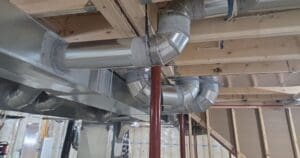
- Ductwork Inspection: Leaky ducts can significantly reduce the efficiency of your heating system. Consider having your ducts inspected and sealed if necessary.
- Airflow Checks: Ensure there is no obstruction around air vents and registers. Clear away furnishings or carpets that may block proper airflow.
- Insulation and Seals: Inspect your home’s insulation, particularly around doors and windows, to ensure that warm air is not escaping. Adding weatherstripping can improve energy efficiency.
- Backup Heating Options: Consider having portable heaters or emergency heat sources on standby in case of unexpected power outages or furnace failures.
Implementing these checks can help you maintain a cozy indoor environment, even when the temperature outside plummets dramatically.
How to Conduct a Quick Ductwork Check
A simple DIY ductwork check can go a long way in ensuring your HVAC system operates at peak performance. Follow these steps:
- Visual Inspection: Look for visible gaps, tears, or disconnections in accessible duct sections.
- Listen for Unusual Sounds: Whistling or hissing sounds may indicate air leaks.
- Feel for Airflow: Check that air is evenly distributed from vents in every room.
If you suspect issues, it’s wise to contact a professional who can perform a thorough duct sealing and cleaning.
Energy Efficiency and Cost Savings
Investing in proper HVAC winter preparation doesn’t just ensure comfort; it can also lead to substantial energy and cost savings. Here’s why focusing on energy efficiency is a smart move:
- Lower Energy Bills: Regular maintenance, filter replacements, and proper thermostat settings help reduce the energy consumption of your HVAC system.
- System Longevity: Well-maintained systems suffer fewer breakdowns, meaning lower repair or replacement costs over time.
- Environmental Impact: Increased efficiency results in less energy waste and lower carbon emissions, making your home environmentally friendlier.
Many homeowners also qualify for tax credits or rebates when upgrading to energy-efficient equipment.
Common Winter HVAC Issues and How to Prevent Them
Understanding common HVAC issues during the winter months can help you take preventive measures. Listed below are a few typical problems along with tips to avert them:
- Frozen Pipes: Insulate pipes in unheated areas and consider a slow trickle of water during extreme freezes.
- Overworked Systems: Regular maintenance prevents your furnace from running continuously, which can lead to system burnout.
- Blocked Vents: Keep furniture and heavy drapes away from air vents to maintain proper airflow throughout your home.
- Inadequate Thermostat Placement: Ensure your thermostat is placed away from direct sunlight or drafts that could disrupt temperature readings.
By addressing these issues upfront, you can prevent unexpected breakdowns and maintain a safe, warm home throughout the season.
Professional Service versus DIY: Making the Right Choice
While there are many maintenance tasks that can be tackled by the homeowner, some aspects of HVAC winter preparation require the expertise of a professional. Here are some points to help you decide when to call in an expert:
- System Inspection: A certified technician can identify hidden issues that might not be obvious from a simple home inspection.
- Complex Repairs: Problems related to the internal components of your furnace, such as the heat exchanger or blower motor, are best handled by professionals.
- Safety Concerns: Issues that could pose safety hazards, especially those related to combustion and carbon monoxide, need immediate professional attention.
- Time and Convenience: If you’re short on time or uncertain about how to proceed, scheduling a professional maintenance service can save both time and potential costs.
Remember, while DIY solutions might seem cost-effective in the short term, professional service ensures long-term performance and often prevents more expensive repairs down the line. Schedule a consultation with our HVAC experts today to get peace of mind this winter.
Wrapping Up: A Warm Home Awaits
Preparing your HVAC system for winter doesn’t need to be overwhelming. By following the steps outlined in this guide—from furnace maintenance and filter replacement to thermostat programming and cold weather readiness checks—you can ensure that your home stays warm, safe, and energy efficient throughout the winter months. A little pre-season planning now can save you from the frustrations and higher costs of emergency repairs later.
If you have any questions about your HVAC system or need professional assistance, please don’t hesitate to reach out to our team. We’re here to help Iowa homeowners enjoy a stress-free, warm winter.