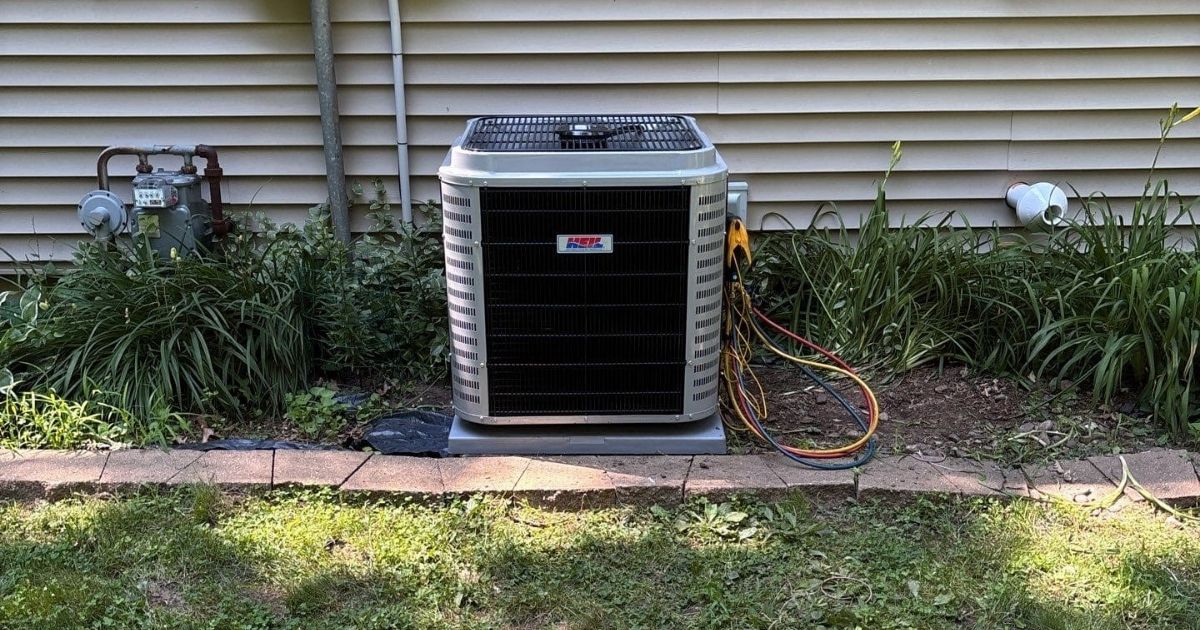
Iowa is a state known for its sweeping prairies, fertile farmland, and diverse weather patterns. This variability in climate has a direct and significant impact on the performance, efficiency, and maintenance needs of your HVAC system. Homeowners and business operators alike must understand how the region’s weather extremes and seasonal transitions can influence indoor comfort, energy consumption, and even long-term equipment reliability.
Understanding Iowa’s Unique Climate
Iowa experiences a wide range of weather conditions throughout the year. From brutally cold winters to sweltering summers, the state’s climate challenges HVAC systems in different ways. It is essential to recognize the following characteristics of the Iowa climate:
- Winter Cold: Prolonged periods of sub-freezing temperatures place significant demands on heating systems, increasing the risk of breakdowns and energy inefficiencies.
- Summer Heat: High humidity and extreme temperatures force air conditioning systems to work overtime, potentially straining components and leading to higher utility bills.
- Spring and Fall Transitions: These seasons bring rapid temperature fluctuations, requiring HVAC systems to quickly adjust, which can affect system efficiency if not properly maintained.
- Seasonal Storms: Iowa’s occasional severe weather events, including thunderstorms and tornadoes, can indirectly affect HVAC systems by causing power surges or structural damage.
Exploring these elements in detail equips you with the necessary knowledge to better understand how to maintain and optimize your HVAC system for Iowa’s demanding climate.
How Extreme Temperatures Affect HVAC Performance
The extreme temperatures typical of Iowa have several implications for your HVAC system. During cold winters and hot summers, every component of your system is pushed to its limits. Here are some critical points to consider:
- Increased Workload: When the temperature drops or rises dramatically, your heating or cooling system has to work much harder to maintain a consistent indoor temperature.
- Component Stress: Frequent temperature shifts can cause wear and tear on compressors, heat exchangers, and other parts, potentially leading to premature failure if not serviced properly.
- Energy Efficiency: An HVAC system operating outside of its ideal conditions might consume more energy as it struggles to meet indoor comfort standards, resulting in higher energy bills.
For instance, during Iowa’s winter, heating systems are required to heat large volumes of air efficiently, maintaining comfort during extended periods of below-freezing temperatures. At the same time, summer air conditioners must handle high outdoor heat while dehumidifying indoor air to foster a comfortable living environment. In both instances, any inefficiency in your system can lead to increased consumption of energy and higher operational costs.
Impact on HVAC Efficiency and Energy Consumption
The relationship between Iowa’s climate and HVAC energy efficiency is direct and profound. When your HVAC system is forced to operate under harsher conditions, even a slight inefficiency can lead to a surge in energy consumption. This scenario is particularly acute during:
- Cold Spells: When temperatures plummet, a system that is not optimized for extreme cold will consume significantly more fuel or electricity to maintain warmth inside your premises.
- Heat Waves: In the peak of Iowa summers, air conditioners strive to combat incoming heat and humidity, pushing power consumption higher and potentially accelerating system wear.
Moreover, an HVAC system that is not routinely maintained is more vulnerable to these challenges. Routine check-ups help ensure that components such as filters, coils, and ducts remain clean and operate efficiently, which minimizes the extra workload during extreme weather events. The following are some proven tips to enhance efficiency:
- Schedule regular professional inspections and maintenance during seasonal transitions.
- Change or clean filters on a monthly basis during peak seasons.
- Encourage the use of programmable thermostats that adjust the temperature as per daily routines and seasonal shifts.
Each of these steps has a measurable impact on keeping your HVAC system running optimally, and they can lead to both short-term and long-term savings.
Maintenance Considerations for Iowa’s Weather Conditions
Iowa’s dynamic climate necessitates a robust maintenance plan for your HVAC system. Predictable seasonal patterns must be met with equally systematic HVAC care strategies to prevent system failures and prolong appliance life. Consider the following maintenance strategies:
- Annual Tune-Ups: At least once a year, have a professional conduct a comprehensive inspection. This service should include checking refrigerant levels, cleaning heat exchangers, and ensuring that safety controls are operational.
- Pre-Season Inspections: Before the onset of summer or winter, schedule targeted maintenance sessions to preempt any potential issues that the upcoming season’s extremes might expose.
- Filter Replacements: As filters capture dust, debris, and other particulates, replacing them on a scheduled basis is crucial. This not only improves air quality but also reduces the strain on the system.
In addition to these regular maintenance measures, it’s important to stay aware of the system’s performance concerning Iowa’s climate. For example:
- Keep an eye on unusual noises or performance drops during seasonal shifts.
- Evaluate energy bills for sudden increases that might indicate inefficiency.
- Monitor the indoor air quality, which can signal issues with both heating and cooling components.
These regular checks provide an early warning system for potential problems, allowing service professionals to correct issues before they develop into expensive repairs.
Choosing the Right HVAC System for Iowa’s Climate
Selecting an HVAC system that is appropriate for Iowa’s weather challenges is pivotal. Not every system can effectively handle extreme cold and intense heat equally well. Consider these factors when choosing your HVAC equipment:
- Size and Capacity: Your HVAC system must be correctly sized for your home or business. Sizing too small will result in inadequate heating or cooling, while oversizing can lead to frequent on/off cycling, which reduces efficiency.
- Energy Efficiency Ratings: Look for systems with higher SEER (Seasonal Energy Efficiency Ratio) and AFUE (Annual Fuel Utilization Efficiency) ratings. These ratings provide a clear indication of the system’s performance under severe conditions.
- Durability and Reliability: Systems built with high-quality components are more likely to withstand Iowa’s weather extremes. Investing in a system designed with robustness in mind can save money on repairs and maintenance over time.
Before making a purchase, it is worthwhile to consult with qualified HVAC contractors who understand the specific climate challenges of Iowa. Their expert advice can be invaluable in selecting equipment that not only matches your individual needs but is also appropriately engineered to manage the seasonal stresses native to the state.
Adapting to Seasonal Changes: Proactive Steps for Homeowners
The nature of Iowa’s climate means that homeowners must be particularly proactive when it comes to their HVAC systems. Here are several actionable steps you can take to adapt your system to seasonal changes:
- Spring Preparation:
Before the summer heat sets in, have your air conditioner thoroughly inspected by a professional. Clear any debris away from outdoor units and ensure that the refrigerant levels are optimal.
- Summer Readiness:
During the summer, consider installing a programmable thermostat that adjusts temperatures during peak hours. Regular cleaning of filters and coils can also ensure that your system is not overburdened during high-demand periods.
- Fall Precautions:
As temperatures begin to drop, inspect your furnace and heating systems. Checking for leaks or potential blockages in your ductwork can prevent energy loss and keep your heating system running efficiently.
- Winter Safeguards:
In the depths of winter, ensure that your heating system is in top condition for continuous operation. Schedule a service visit to check on the integrity of all heating components and assess insulation levels around your system.
These proactive steps not only enhance your system’s performance but also extend its lifespan and reduce the likelihood of sudden breakdowns during critical times.
Long-Term Benefits of Climate-Specific HVAC Maintenance
Investing in climate-specific maintenance is not just about immediate performance—it has long-term benefits. In the context of Iowa’s diverse weather conditions, here are some long-term advantages:
- Improved Equipment Longevity: Regular maintenance that addresses the unique challenges posed by Iowa’s climate can extend the lifespan of your HVAC system.
- Sustained Energy Efficiency: By keeping your system running at peak performance, you ensure that energy consumption remains controlled, leading to lower utility bills over time.
- Enhanced Indoor Comfort: A well-maintained HVAC system can quickly adapt to external weather changes, providing a stable and comfortable indoor environment year-round.
- Reduced Repair Costs: Early detection of wear and tear means that minor issues can be resolved before they escalate into expensive repairs or complete system breakdowns.
These benefits underscore the importance of working with experienced HVAC professionals who understand local conditions and can tailor maintenance routines accordingly. By doing so, you are investing not only in your immediate comfort but also in the long-term reliability and cost-effectiveness of your heating and cooling systems.
The Role of Professional HVAC Services in Managing Iowa’s Climate
Given the significant impact of Iowa’s climate on HVAC systems, the importance of professional HVAC services cannot be overstated. Skilled service technicians offer tailored solutions that address both current operational issues and preventative measures designed to combat the state’s weather extremes. These professionals are equipped to:
- Diagnose Early Warning Signs: Trained experts can identify subtle signs of wear or inefficiency that might be exacerbated by local weather conditions.
- Perform Specialized Maintenance: From refrigerant recharges during summer to furnace optimizations in winter, technicians apply their knowledge to optimize systems for seasonal demands.
- Offer Equipment Upgrades: Sometimes older HVAC systems cannot cope with modern energy standards or climate challenges. Professionals advise on modernizing your system to meet today’s efficiency and durability requirements.
Importantly, regular professional maintenance not only ensures that your system is always ready for Iowa’s weather changes but also helps you avoid costly surprise repairs. With an expert by your side, you can schedule services in advance, maintain a regular checklist of maintenance tasks, and ultimately enjoy a more reliable and resilient heating and cooling system.
Energy-Saving Tips for Iowa Homeowners
Besides routine maintenance and professional inspections, there are several everyday measures homeowners can adopt to enhance the energy efficiency of their HVAC systems. These practical, energy-saving tips include:
- Seal Leaks and Insulate: Ensure windows, doors, and attics are properly sealed. Good insulation reduces the workload on your HVAC system during temperature extremes.
- Use a Programmable Thermostat: Set your thermostat to automatically adjust the temperature based on your daily schedule. This simple step can significantly cut down on unnecessary energy use.
- Regularly Replace Filters: Clean and replace HVAC filters frequently to maintain optimum air flow and system efficiency.
- Optimize Ventilation: Make sure that air vents are not obstructed by furniture or other items. Proper airflow supports efficient distribution of heated or cooled air.
- Invest in a Zoning System: If certain areas of your home are not frequently used, consider a zoning system that directs conditioned air only where needed, rather than cooling or heating the entire space.
Implementing even a few of these measures can lead to noticeable improvements in energy efficiency. Homeowners throughout Iowa who pay attention to these details typically enjoy a more comfortable living environment coupled with savings on their energy bills.
Frequently Asked Questions About HVAC and Iowa’s Climate
Understanding how Iowa’s weather affects your HVAC system is critical. Here are some frequently asked questions that can clarify common concerns:
How often should I service my HVAC system?
It is generally recommended to have your system serviced at least once a year, preferably before the onset of the extreme summer or winter months. Pre-season checks ensure readiness for the upcoming challenges.
What are the signs of an HVAC system struggling during extreme weather?
Common signs include unusual noises, frequent cycling on and off, a sudden spike in energy consumption, cold or hot spots in your home, and inconsistent airflow. Recognizing these symptoms early is key to preventing severe damage.
Are there specific HVAC systems designed for areas with extreme weather?
Yes, there are systems engineered to handle severe temperature variations. When selecting an HVAC system, it’s important to consider models with enhanced insulation, robust components, and higher energy efficiency ratings, specifically designed for climates like Iowa’s.
What maintenance tasks can I perform myself?
While some tasks require professional expertise, simple measures like changing air filters, cleaning around outdoor units, and ensuring that vents are unobstructed can be handled by homeowners. However, for technical tasks such as checking refrigerant levels or tuning the system, it is best to hire professionals.
These FAQs are designed to help you make informed decisions about keeping your HVAC system in top shape despite the challenges posed by Iowa’s climate.
Take Action Today for a Reliable HVAC System
Living in Iowa means embracing both the beauty and challenges of a dynamic climate. Your HVAC system is a critical component responsible for maintaining comfort indoors, regardless of the weather outside. By understanding how Iowa’s extreme temperatures, humidity, and seasonal transitions affect your system, you can make smarter decisions when it comes to installation, maintenance, and upgrades.
Now is the time to take proactive steps:
- Schedule a Professional Inspection: Ensure your system is fully prepared for the upcoming season by booking an inspection with HVAC experts who understand local weather conditions.
- Invest in Timely Maintenance: Follow a strict maintenance schedule to prevent major issues and extend the lifespan of your system.
- Upgrade When Necessary: Consider investing in newer, more energy-efficient models that are designed to cope with Iowa’s challenging climate.
For homeowners and business operators alike, the long-term benefits of a well-maintained HVAC system are clear: improved energy efficiency, greater indoor comfort, and reduced repair costs. Don’t wait until you experience the discomfort of an inefficient system during extreme weather—take the necessary actions now.
Contact Our HVAC Specialists Today to schedule a consultation or maintenance service. Our dedicated team is ready to help you ensure your HVAC system is optimized for Iowa’s unpredictable climate, providing you peace of mind and year-round comfort.
Conclusion
In conclusion, Iowa’s climate poses a unique set of challenges to HVAC systems. Extreme temperatures, high humidity, and seasonal variability all contribute to increased demands on your heating and cooling equipment. By understanding these impacts and adopting a proactive maintenance routine, you can protect your investment and ensure a comfortable indoor environment no matter what the weather brings.
Remember that a well-cared-for HVAC system not only saves money through improved energy efficiency but also provides reliable performance and long-term durability. With the right partnership with HVAC professionals, you can navigate Iowa’s weather challenges and rest assured knowing your system is in prime condition.
If you have any questions or need expert assistance, do not hesitate to get in touch with us. We are here to help you keep your home or business comfortable, safe, and energy-efficient all year long.