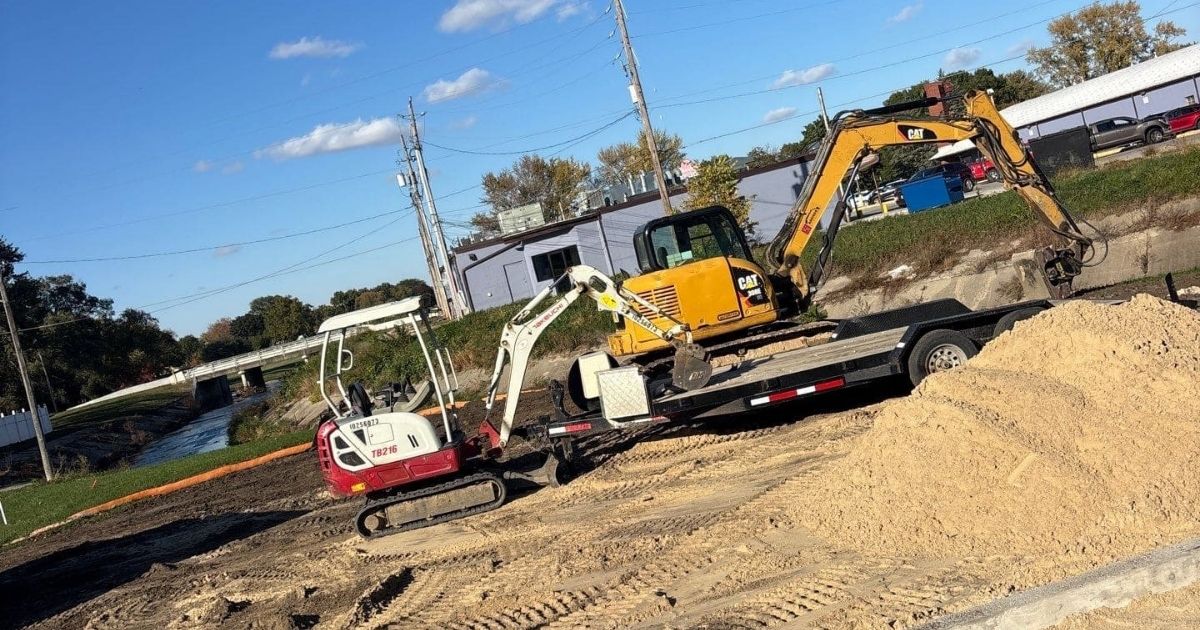
Excavation is a critical phase in any construction or landscaping project, and timing it right can make all the difference. In Bremer County, IA, various factors such as weather conditions, soil types, and seasonal shifts play a significant role in determining the best time to start your excavation project. Whether you are planning to build a new home foundation, create a landscape masterpiece, or lay the groundwork for commercial development, understanding these variables is essential to avoid unnecessary delays and additional expenses.
In this guide, we will provide detailed insights into how the time of year affects excavation projects in Bremer County. You will learn why certain seasons offer advantages and what complications may arise during others. Our guidance is designed to help you plan your project efficiently and optimize your excavation timeline for the best results.
How Weather Affects Excavation Projects
Weather is one of the most critical determinants of the success and timing of your excavation activities. In Bremer County, local weather patterns can change rapidly, and seasonal variations have an immediate impact on soil moisture and stability. Below, you will find a breakdown of how different weather conditions can affect your project:
- Rainfall: Extended periods of rain can saturate the soil, leading to muddy and unstable conditions. This might result in delays as it becomes more difficult for heavy machinery to operate safely.
- Temperature Fluctuations: Drastic changes in temperature, particularly in the transitional seasons, can cause the soil to expand and contract. Such movements may affect the excavation depth and overall structural integrity of your project.
- Wind and Storms: High winds can bring loose debris and dust, complicating the excavation process and occasionally posing a safety hazard.
Seasonal Guide: When to Start Your Excavation Project
The best time of year for excavation in Bremer County depends largely on balancing the weather, soil condition, and project requirements. Below, we provide a seasonal guide that outlines the pros and cons of each season from an excavation perspective.
Spring: The Optimal Season
Spring is often considered the optimal time for excavation projects in Bremer County. As the snow melts and the ground begins to warm, the soil becomes more stable and easier to work with. However, this is also the season of unpredictable showers, so it is crucial to plan ahead:
- Pros:
- Improved soil conditions due to the melting of winter frost.
- Longer daylight hours allow for increased productivity.
- Moderate temperatures reduce the risk of overheating machinery.
- Cons:
- Unpredictable rainfall can lead to wet conditions.
- Rapid temperature changes might result in soil expansion or contraction.
During spring, it is advisable to monitor local weather patterns diligently. A flexible schedule can help you avoid days when heavy showers or sudden temperature drops might impact your work.
Summer: Warm and Busy
Summer brings warmer weather and more predictable conditions, making this season appealing to many contractors. Increased activity and longer daylight hours mean that projects can be completed quickly. However, the high temperatures and potential for drought can also pose challenges:
- Pros:
- Generally dry and stable soil ideal for heavy machinery.
- Extended daylight hours increase working time.
- Low likelihood of frost-related issues.
- Cons:
- Hot weather may lead to overheating equipment and worker fatigue.
- Potential drought conditions could reduce soil moisture, making the soil overly compact and difficult to excavate.
- Peak construction season means high competition for equipment and labor.
To mitigate some of these challenges, scheduling work during the cooler parts of the day (morning and late afternoon) can help maintain a safer working environment as well as prolong the life of your machinery.
Fall: A Transitional Period
Autumn in Bremer County offers a unique blend of advantages and challenges for excavation projects. As temperatures begin to drop and rainfall becomes less frequent, the soil stabilizes once again. However, early frosts and increased moisture as winter approaches can sometimes complicate excavation plans:
- Pros:
- Cooler temperatures reduce the risk of overheating on site.
- The soil remains workable before winter sets in.
- Less competition for services compared to the peak summer season.
- Cons:
- Shorter daylight hours can reduce working time.
- Early frosts may occur suddenly, especially in late fall.
- Fluctuating soil moisture may slow down the excavation process.
For projects scheduled during the fall, it is important to stay informed about upcoming frost warnings and to have contingency plans to ensure that any frost does not compromise the site safety or final outcomes.
Winter: Challenges and Considerations
Winter is generally considered the least favorable season for excavation projects in Bremer County due to freezing temperatures and the unpredictable nature of snow and ice. However, there are situations where winter excavation might be feasible, particularly for projects that require immediate groundwork before the spring rush:
- Pros:
- Offers a chance to start projects during a less busy period for contractors and equipment rental companies.
- Potentially lower costs due to off-peak season work.
- Cons:
- Frozen ground can make excavation exceedingly difficult and energy-intensive.
- Risk of frost heave, where the freeze-thaw cycle can disrupt excavated areas.
- Safety hazards due to icy or slippery conditions.
If you are considering a winter excavation, it is imperative to work with experienced contractors who are well-versed in cold-weather project management. Investment in specialized equipment and proactive safety measures is a must.
Key Factors to Consider for Excavation Timing
Deciding on the best time to start your excavation project isn’t as simple as picking a season off the calendar. It involves a consideration of several interconnected factors:
- Soil Type and Conditions: Different soil types respond differently to moisture and temperature changes. Sandy soils, for instance, might drain quickly but aren’t as stable as clay-heavy soils, which can become very sticky when wet.
- Project Scope and Timeline: The complexity and extent of your excavation project will dictate the ideal timeline. A larger project may require extended periods of favorable weather, whereas smaller projects might be more flexible.
- Equipment Availability: Peak construction seasons can affect the availability and price of heavy machinery and skilled labor. Scheduling work during the off-peak seasons might offer better resource availability at a lower cost.
- Local Regulations and Permits: Always check local guidelines and permit requirements in Bremer County. Sometimes regulations may influence when it is appropriate or possible to start an excavation.
When planning your project, it is vital to coordinate with local experts who understand the unique geographical and climatic characteristics of Bremer County. Our team is always ready to provide consultation and assist you in assessing the best timeline for your project.
Preparing for Your Excavation Project
Preparation is key to the success of any excavation project. Regardless of the season, ensuring that all aspects of your project are thoroughly planned will help minimize delays and maximize efficiency. Here are some steps to help you prepare:
- Conduct a Site Survey: Before any excavation begins, a comprehensive site survey should be completed. This survey will identify underground utilities, soil composition, and potential drainage issues.
- Secure Necessary Permits: Contact local authorities in Bremer County to secure all the necessary permits. This not only ensures compliance with state and local regulations but also protects your project legally.
- Schedule Equipment and Labor: Work with reliable contractors who understand local conditions. Reserving equipment well in advance can prevent costly delays during peak times.
- Monitor Weather Forecasts: Staying updated on local weather conditions is essential, particularly if you are operating in marginal seasons like early spring or late fall.
Addressing Common Excavation Challenges
Even the best-laid plans can encounter unforeseen challenges. Understanding some of the common issues and how to address them can save both time and money:
- Unexpected Weather Shifts: Weather conditions can change rapidly. Developing a flexible project schedule with built-in contingency days can help you adapt to sudden changes.
- Soil Instability and Erosion: Especially common after heavy rains or in areas with loose soil, these issues require immediate attention. Employing proper drainage solutions and soil stabilization techniques is crucial.
- Utility Line Interference: Accidental strikes on underground utility lines can halt a project quickly. A thorough site survey and mapping before excavation is essential to avoid this risk.
- Cost Overruns: Scheduling excavations during the wrong season might lead to complications that add to the overall cost. Always allocate a contingency budget and select your timing wisely.
Remember, a well-planned excavation not only sets the foundation for structural integrity but also ensures the overall safety of the project site. Our experienced project managers have often encountered these issues and are skilled at devising effective solutions.
Best Practices for a Smooth Excavation Process
Whether you choose to begin during spring, summer, or even tackle the challenges of a fall or winter site, there are best practices that can help streamline your excavation project:
- Regular Communication: Maintain clear lines of communication between your contractors, project managers, and local suppliers. This ensures everyone is prepared for weather changes and other unforeseen events.
- Adopt a Phased Approach: For larger projects, breaking down the work into manageable phases can help manage risk and adapt to any delays.
- Invest in Quality Equipment: High-performance machinery capable of handling different soil conditions can make a substantial difference, especially during off-peak seasons.
- Plan for Contingencies: Always have backup plans. Whether it’s an extra day in your schedule or additional stabilization materials, preparedness is key.
Adhering to these guidelines will not only reduce risks but also lead to a smoother, more efficient excavation process.
Conclusion
Choosing the best time of year to undertake an excavation project in Bremer County requires careful consideration of a range of factors. From weather fluctuations and soil stability to equipment availability and local regulations, every detail plays a part in the overall success of your venture. By understanding the advantages and challenges presented by each season, you can make an informed decision that will save you time, reduce costs, and lay a safe foundation for your project.
Remember, the right preparation—from conducting thorough site surveys to developing contingency plans—will pave the way for a smooth and efficient excavation process. Whether your project is residential, commercial, or industrial, our team is here to help you navigate these complexities with confidence.