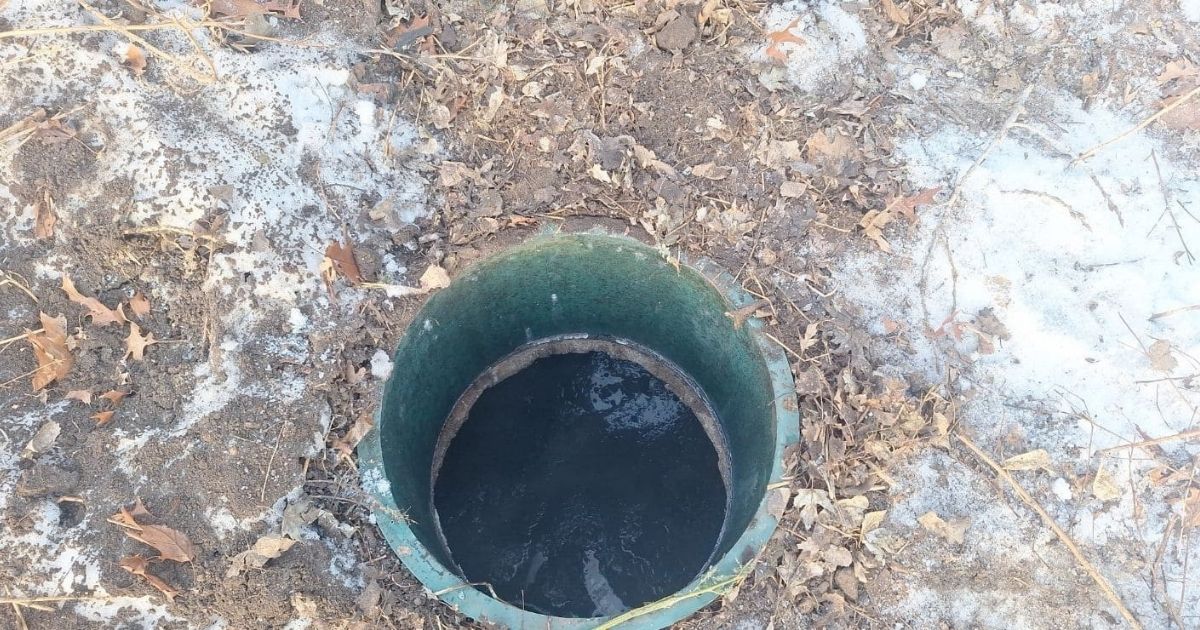
Welcome Bremer County homeowners! Winter can bring freezing temperatures and harsh weather conditions that may significantly affect your septic system. In this comprehensive guide, you’ll find expert advice, step-by-step instructions, and practical tips to winterize your septic system. This ensures your system stays efficient and prevents costly damage during the cold winter months.
Understanding the Importance of Winterizing Your Septic System
Before winter sets in, it is crucial to understand why winterizing your septic system should be a priority. A well-maintained septic system not only protects your home’s overall value but also enhances your health and safety. As temperatures drop, septic tanks can freeze, pipes can crack, and backups can occur. To help you keep your system in top condition all winter long, consider these points:
- Protection against freezing: Insulate your tank and pipes to prevent ice forming, which can lead to backups.
- Efficiency maintenance: Regularly check and pump your system to maintain proper flow and reduce the chance of blockages.
- Cost effectiveness: Investing in preventive care now could save you money by avoiding expensive repairs or replacements later.
Key Steps to Winterize Your Septic System
Winterizing your septic system involves several essential steps. Proper preparation will help ensure that your system continues to function properly despite the winter chill. Below, we outline the primary actions you should take:
1. Inspect and Pump Your Septic Tank
Regular inspections are vital to ensuring your septic system functions correctly. Follow these steps before winter arrives:
- Schedule an inspection: Have a septic professional examine your system. They can detect issues such as leaks or cracks that may get worse in the winter.
- Pump the tank: If your tank is nearing capacity, pumping it before the onset of winter helps remove excess solids and reduces the risk of clogs during colder months.
- Plan for repairs: Use the inspection to identify any maintenance needs. Addressing small issues now can prevent major system failures later on.
This step is crucial because a well-pumped and inspected system is less susceptible to freezing complications.
2. Insulate Exposed Components
Insulation is the cornerstone of protecting your septic system in freezing temperatures. Focus on the following areas:
- Septic tank covers: Use weather-resistant materials to insulate the covers. This minimizes direct exposure to freezing air.
- Pipes and distribution boxes: Wrap these critical components with insulation sleeves or foam to keep them warm and functional during extreme cold.
- Pump and other equipment: If your system includes a pump or electrical components, ensure these are installed in insulated or covered areas to avoid freezing damage.
Consider contacting a local professional for guidance on the most effective insulation materials suited to Bremer County’s winter climate.
3. Manage Water Usage
Water usage plays a key role in preventing freezing within your septic system. Here are some strategies to manage water use effectively:
- Spread out water use: Instead of using large volumes of water at one time, try to stagger your water usage throughout the day. This can prevent an overwhelming influx that could lead to freezing.
- Shorter, more frequent flushes: Encourage water-saving habits so that the septic system is not overburdened all at once. This is especially important during the winter months when effluent flow can be affected by low temperatures.
- Avoid unnecessary loads: Limit activities such as heavy laundry loads or multiple dishwashers running simultaneously if your system nears capacity.
Remember, by managing your water use you not only extend the lifespan of your septic system but also promote an environmentally responsible household.
4. Consider Additional Winterizing Measures
Beyond the standard steps of inspection, insulation, and water management, there are additional measures you may want to consider:
- Install heating cables: For exceptionally cold climates or areas with a history of severe freezing, heating cables can provide extra protection along the pipes. Consult with a professional to ensure safe installation and proper function.
- Monitor water levels: During winter, it’s important to keep an eye on the water level in your tank. Make sure there are no ground water issues that may interfere with the system.
- Schedule seasonal maintenance: Consider a maintenance schedule that aligns with seasonal changes, allowing for a timely response to any emerging issues.
Adding these extra precautions can further mitigate the risk of serious damage during Bremer County winters.
Maintenance Tips for the Winter Season
In addition to pre-winter preparations, ongoing maintenance throughout the winter is crucial. Here are tailored maintenance tips for this season:
Regular System Inspections
Even after completing initial winterization, regular check-ups help catch any developing issues early. Consider these tips:
- Monthly visual checks: Walk around your property and inspect the area where your septic system is located. Look out for any signs of water pooling, frost damage, or unusual odors.
- Professional inspections: Schedule appointments with a septic service provider to ensure that everything is functioning correctly during the winter. Professionals have the right tools and experience to diagnose issues that might not be visible to the untrained eye.
Adjusting Household Routines
Simple adjustments in your daily routines can significantly benefit your septic system during the winter months:
- Shorter showers: Reducing the volume of water used at one time helps to keep the inflow manageable.
- Stagger appliance use: Spread the use of water-demanding appliances over several hours rather than using them all at once.
- Emergency preparedness: Make sure you have the contact information for a local septic professional readily available for any sudden issues. Having their phone number on hand can save a lot of hassle during an emergency.
Monitor the System’s Performance
Effective maintenance isn’t just about visual inspections but also about understanding and monitoring your system’s performance. Follow these steps:
- Keep records: Maintain a log of inspections, pumping dates, and any repairs done. This history can help diagnostic processes for both you and any service professionals.
- Be alert for unusual symptoms: Listen for any strange sounds or notice any changes in household plumbing that could indicate issues with the septic system.
- Evaluate performance: Compare your wastewater output and system resting times outside winter to see if there are significant differences that might warrant further inspections or interventions.
Expert Tips and Recommendations
Drawing on advice from seasoned septic professionals in Bremer County, here are some additional expert tips to keep your system in excellent shape during winter:
Seasonal Timelines
Before Winter:
- Plan and schedule your septic inspection and pump-out.
- Insulate all exposed components with materials designed to protect against low temperatures.
- Consult professionals about installing heating cables if needed.
During Winter:
- Monitor water usage and plan household routines to minimize peak loads.
- Perform monthly visual inspections of the septic area.
- Keep emergency contacts readily available in case the system malfunctions.
Local Climate Considerations
Bremer County’s unique winter conditions require specific adaptations:
- Temperature Fluctuations: Even small fluctuations around the freezing point can cause repeated freeze-thaw cycles. This stresses the septic system, so it’s important to mitigate these effects with proper insulation.
- Snow and Ice Accumulation: Accumulated snow can cover exposed parts of your septic system, retaining cold air around the system. Ensuring these are sheltered or having snow cleared can help maintain system temperature.
Signs of Potential Problems
Recognizing early signs of septic system issues can save you from expensive repairs later. Here are symptoms to watch out for during the winter:
- Unusual odors: Persistent foul smells around the septic area could indicate a buildup of waste or a blockage.
- Slow drains: If you notice that drains are slower than usual, it could be a sign that something in the system is obstructed or that the effluent is backing up.
- Water pooling: Unexpected pooling near your septic tank or in your yard might indicate a leak or an overflow issue, often worsened by freezing conditions.
- Ice formations: Visible ice build-up near the septic components signals that the insulation may have failed or that additional winterizing steps are needed.
If any of these issues arise, don’t hesitate to contact a professional immediately. Quick intervention can prevent a minor issue from becoming a major repair.
Frequently Asked Questions
Here are answers to some common questions about winterizing your septic system in Bremer County:
What Specific Steps Can I Take To Insulate My Septic System?
You can insulate your septic system by installing weather-resistant covers, wrapping pipes with foam insulation, and applying insulation blankets over exposed pipes and equipment. It is also recommended to consult a professional to identify the best insulation methods suited to your system’s design.
How Often Should I Inspect My Septic System During The Winter?
A monthly inspection is a good rule of thumb. In extremely cold weather, it may be beneficial to check more frequently to catch any issues before they escalate.
Can Water Usage Really Affect The Freezing of My System?
Yes. If large volumes of water enter the system at once, it can contribute to faster cooling and increase the risk of freezing. Managing your water usage by spreading it out helps maintain a safer temperature within the system.
Are Heating Cables Safe to Use Around My Septic System?
Heating cables, when installed correctly, are safe and effective. However, it is important to follow safety guidelines and have the cables installed by a professional. Improper installation can lead to safety hazards or system malfunction.
Additional Seasonal Maintenance Recommendations
To further simplify maintaining your system during the winter months, consider the following extra steps:
- Regular cleaning: Make sure filters and other accessible components are free of debris that might cause clogs.
- Ensure proper drainage: Keep the area around your septic system clear of snow and ice to maintain proper water drainage and insulation.
- Documentation: Keep a record of your preventive measures and service visits so that you can easily track improvements and identify recurring problems.
These steps provide an extra layer of security, ensuring that your septic system remains in good working condition regardless of what winter throws at it.
Wrap-Up and Final Thoughts
Winterizing your septic system is essential in Bremer County, where winter conditions can be brutal. By proactively inspecting, insulating, managing water usage, and maintaining regular checks, you can prevent significant problems, ensure system efficiency, and avoid pricey repairs. The tips and guidelines provided here are designed to help you navigate the winter months with ease and confidence.
Remember that preventative care is always more cost-effective than emergency repairs. If you are ever in doubt about the condition of your septic system, or if you notice any signs of trouble, please do not hesitate to call a professional.
If you’d like to schedule a comprehensive winter inspection or need further assistance, contact our expert team today. We’re here to help you keep your septic system running smoothly, so you can focus on enjoying a worry-free winter season.