Your plumbing system works quietly in the background every day. You do not think about it until something goes wrong. And when it does, a dripping pipe at midnight or a water heater that gives out in January does not feel like a minor inconvenience. It feels urgent.
This guide is for homeowners and business owners in Waverly and Bremer County who want straight answers: what plumbing services cover, when to call a professional, what it costs, and how to choose the right contractor. No fluff, just what you need to know.
What Are Plumbing Services?
Plumbing services cover the full system responsible for moving water into your home, through it, and out of it safely. That includes the pipes behind your walls, the fixtures in your kitchen and bathrooms, your water heater, your drains, and everything connected to your main water supply or well.
A plumbing contractor handles that entire system. Some jobs are repairs, like fixing a leak or clearing a clogged drain. Others are installations, like putting in a new water softener or roughing in plumbing for a bathroom addition. And some are preventive, catching small problems before they become expensive ones.
For homeowners, professional plumbing services mean your water runs clean, your drains clear properly, and your pipes hold up through the seasons. For business owners, it means operations do not get interrupted by preventable failures.
Why It Matters for Iowa Homeowners
How Iowa’s Climate Affects Plumbing Systems
Iowa winters are not gentle. Temperatures in Bremer County regularly drop below freezing for weeks at a time, and pipes that are not properly insulated or winterized are at real risk of freezing and bursting. A single burst pipe can release hundreds of gallons of water into your home in a matter of hours.
But cold weather is only part of the picture. Iowa’s clay-heavy soil shifts with freeze-thaw cycles, putting stress on underground pipes year after year. Older homes throughout Waverly and the surrounding communities were built with galvanized steel or cast iron pipes that have a natural lifespan. When those pipes corrode from the inside out, the first sign is often rust-colored water or unexplained pressure drops.
Hard water is another regional reality. The water supply across much of Bremer County carries high mineral content. Without a water softener, those minerals build up inside pipes and appliances over time, shortening the life of your water heater, reducing flow, and leaving residue on fixtures and dishes.
Understanding these regional factors helps you make better decisions about maintenance, upgrades, and when to call for help before a small issue becomes a costly repair.
Common Problems Homeowners Face
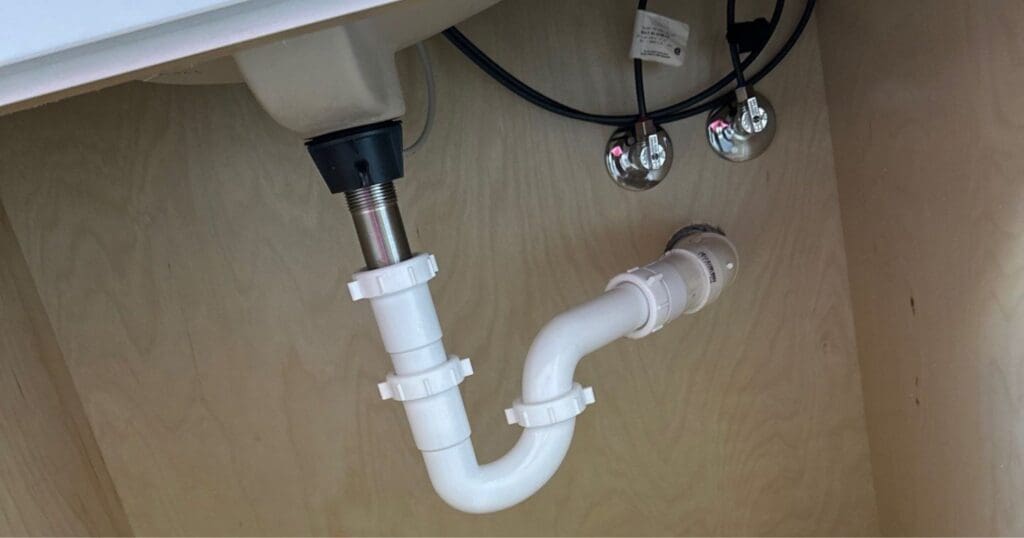
Most plumbing calls fall into a recognizable set of problems. Knowing what they are and what causes them helps you act sooner.
Leaking pipes are one of the most common issues in older Iowa homes. Leaks often start small, inside walls or under slabs, and go unnoticed until water damage appears on ceilings or floors. By then, the repair is bigger than it needed to be.
Frozen pipes happen when temperatures drop fast, and pipes in exterior walls, crawl spaces, or unheated areas are not protected. A frozen pipe does not always burst immediately, but the pressure that builds inside can cause it to crack and fail once it thaws.
Low water pressure can mean several things: a partially closed shut-off valve, mineral buildup in the line, a failing pressure regulator, or a leak somewhere in the system. Diagnosing the actual cause requires more than guesswork.
Slow or backed-up drains are often written off as minor nuisances. But persistent slow drains usually signal a blockage deeper in the line, and in some cases, a problem with the main sewer line. Ignoring them tends to make the situation worse and more expensive.
Water heater issues show up as inconsistent hot water, strange noises from the tank, or discolored water at the tap. Most water heaters have a lifespan of 8 to 12 years. When they start showing signs of trouble, proactive replacement is almost always more affordable than emergency replacement.
Types of Plumbing Services
Crystal offers a full range of plumbing services for residential and commercial properties throughout Bremer County.
Residential plumbing covers repairs, installations, and upgrades throughout the home, from fixing a leaking faucet to replumbing an older house with updated materials. See our overview of types of plumbing systems for a breakdown of what that work typically involves.
Drain cleaning removes blockages and buildup from drains and sewer lines. Professional drain cleaning gets further into the line than store-bought solutions and does not carry the risk of damaging older pipes with harsh chemicals.
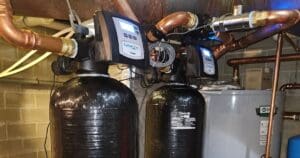
Water softeners address the hard water that affects many homes in this region. A properly sized and installed water softener extends the life of your appliances, protects your pipes, and makes a noticeable difference in water quality day to day. Not sure which type is right for your home? Our guide to types of water softeners breaks down the options.
In-floor heat systems use hot water running through tubing beneath the floor to heat a space evenly and efficiently. Installation requires careful planning and plumbing expertise to get it right.
Well pumps keep rural properties supplied with water. When a well pump starts cycling too frequently, runs dry, or fails, the household loses its water supply entirely. Well pump service and replacement require someone familiar with the systems common to this part of Iowa.
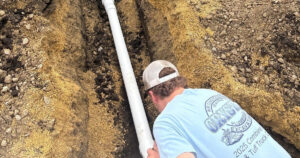
Underground leak detection and repair addresses breaks or corrosion in buried supply lines. These leaks often go undetected for weeks, showing up only as unexplained spikes on a water bill or soft, wet patches in the yard.
Emergency Plumbing Services
Some plumbing situations cannot wait until morning. When a pipe bursts, a sewer backs up, or your home suddenly has no hot water, the damage compounds the longer it goes unaddressed. Crystal offers 24/7 emergency plumbing service because emergencies do not follow a business schedule.
Burst Pipes
A burst pipe is one of the fastest ways to turn a manageable problem into a serious one. Water from a ruptured line can flood walls, floors, and ceilings within minutes. The immediate priority is shutting off the main water supply. After that, a licensed plumber needs to locate the break, assess the extent of the damage, and make the repair correctly so it holds. Temporary patches rarely last, and improper repairs can fail again under pressure.
Sewer Backups
A sewer backup is not just an inconvenience. Raw sewage backing up into sinks, tubs, or floor drains creates a health hazard that needs professional attention right away. Backups can result from blockages in the main line, tree root intrusion, or a collapsed section of pipe. Identifying the cause matters as much as clearing the immediate blockage, because a backup that happens once will happen again if the underlying problem is not resolved.
No Hot Water
Losing hot water entirely usually points to a water heater failure. A tripped circuit breaker or a failed pilot light can sometimes be reset quickly, but a failed heating element, a burst tank, or a gas supply issue requires a plumber. In the middle of an Iowa winter, going without hot water is not a situation most households can tolerate for long.
Emergency Response Process
When you call Crystal for a plumbing emergency, the process is straightforward. A team member takes your call any time of day or night. A licensed plumber is dispatched to your location. When they arrive, they assess the situation, explain what they found, and walk you through the repair before work begins. There are no surprise decisions made without your input.
Water Heater Services
Your water heater is one of the hardest-working appliances in your home. It runs every day, all year, and most homeowners do not think about it until the hot water runs out. Regular maintenance and timely replacement protect you from the cost and disruption of an unexpected failure.
Water Heater Repair
Not every water heater problem requires a full replacement. A faulty thermostat, a burned-out heating element, a stuck pressure relief valve, or sediment buildup at the bottom of the tank are all serviceable issues. A licensed plumber can diagnose what is actually wrong and tell you honestly whether a repair makes sense or whether the unit is at the end of its useful life.
Water Heater Installation
When replacement is the right call, proper installation matters. A water heater that is undersized for the household runs constantly and still leaves people waiting for hot water. One that is oversized wastes energy heating water that sits unused. Crystal’s team sizes the unit to your actual usage, installs it to code, and makes sure all connections, venting, and pressure settings are correct before leaving.
Tank vs. Tankless
Traditional tank water heaters store a set volume of hot water and reheat it as it is used. They are reliable, relatively affordable to replace, and familiar to most homeowners. The tradeoff is that you can run out of hot water if demand exceeds the tank’s capacity, and the tank loses some heat even when no hot water is being used.
Tankless water heaters heat water on demand, so you do not run out. They are more energy-efficient over time and last longer than tank units. The upfront cost is higher, and not every home’s existing gas line or electrical panel can support one without upgrades. Crystal can walk you through what each option would mean for your home, specifically, before you make a decision.
Lifespan and Maintenance
A conventional tank water heater typically lasts 8 to 12 years. Tankless units can last 20 years or more with proper care. Annual maintenance, which includes flushing sediment from the tank and checking the anode rod and pressure relief valve, extends the life of the unit and keeps it running efficiently. If your water heater is approaching 10 years old and has not been serviced recently, it is worth having it looked at before it fails on a cold January night.
Commercial Plumbing Services
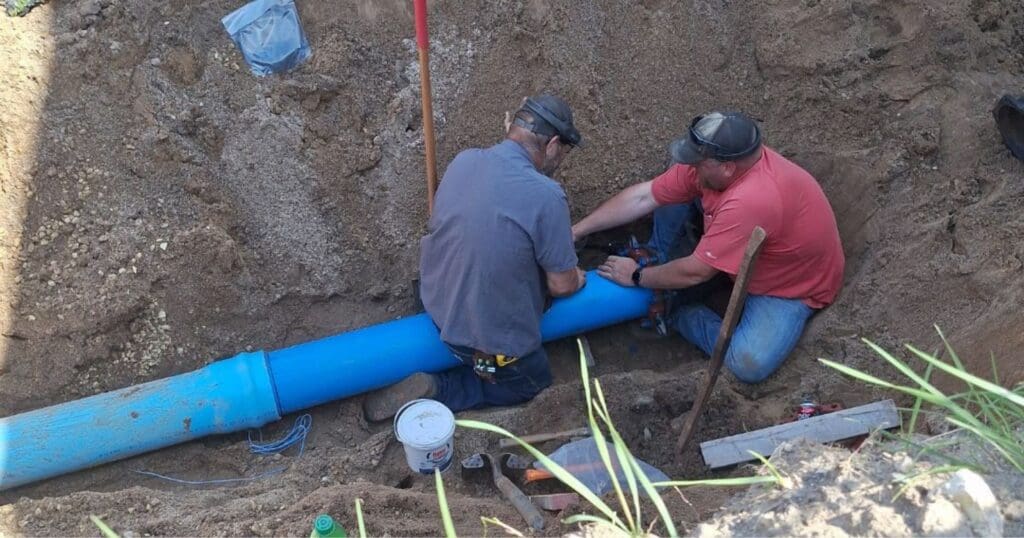
Commercial plumbing is not just residential plumbing on a larger scale. The demands are different. The codes are more specific. And the cost of downtime, whether that is a restaurant that cannot open or an office building with no running water, is real. Crystal serves commercial clients across Bremer County with the same licensed, insured team that handles residential work, applied to the specific requirements of commercial properties.
Restaurants
Restaurant plumbing handles more volume and more grease than almost any residential system. Grease trap maintenance, commercial dishwasher supply lines, high-capacity water heaters, and floor drains that keep up with daily cleaning demands all require commercial-grade solutions. A plumbing failure during service hours is not an inconvenience. It is lost revenue and a potential health code violation. Crystal understands the urgency and works around your schedule whenever possible.
Retail Buildings
Retail spaces typically need reliable restroom facilities, a clean water supply, and drain systems that hold up through heavy daily use. Older retail buildings in Bremer County often have aging infrastructure that needs updating when tenants turn over or renovations happen. Crystal handles those projects cleanly and efficiently, so construction timelines do not get held up by plumbing delays.
Offices
Office plumbing problems affect everyone in the building. A broken water heater, a leaking supply line, or a sewer odor that will not go away are problems that pull people out of productive work and, left unaddressed, can create liability issues for property owners. Crystal responds quickly to office service calls and works to minimize disruption to the people using the space.
Property Management Companies
Managing multiple properties means managing multiple plumbing systems. Crystal works with property management companies throughout Bremer County as a reliable service partner for both routine maintenance and urgent repairs. Having one licensed, insured contractor who knows your properties and responds consistently makes that job considerably easier.
Preventive Plumbing Maintenance
Most plumbing emergencies do not come out of nowhere. They develop over months or years, and the homeowners who avoid them are usually the ones who have had a plumber check things out before a problem becomes a crisis. Preventive maintenance is not about fixing what is broken. It is about finding what is starting to fail while the repair is still a manageable one.
Annual Inspections
An annual plumbing inspection covers the components most likely to cause problems: supply line connections under sinks and behind appliances, the condition of visible pipe sections, water heater performance, water pressure at the main, and drain flow throughout the house. In older homes, an inspection might also assess the condition of galvanized or cast iron pipes that are approaching the end of their useful life. Catching a slow leak or a deteriorating connection early is far less expensive than addressing the water damage it causes.
Water Heater Flushing
Sediment from the water supply accumulates at the bottom of water heater tanks over time. That layer of buildup forces the heating element to work harder, raises energy costs, and accelerates wear on the tank. Flushing the tank once a year removes that sediment, improves efficiency, and extends the unit’s lifespan. It is one of the simplest maintenance tasks with one of the clearest returns.
Leak Detection
Not every leak announces itself with water on the floor. Slow leaks behind walls, under slabs, or in crawl spaces can go undetected for months while they damage insulation, framing, and flooring. Professional leak detection uses pressure testing and other diagnostic methods to locate leaks that are not visible. If your water bill has crept up without explanation, or if you can hear water running when nothing is in use, a leak detection check is a worthwhile investment.
Winterization Tips
Before temperatures drop in Bremer County, a few steps can prevent costly pipe failures. Insulate pipes in exterior walls, crawl spaces, and unheated garages. Disconnect and drain outdoor hoses and shut off exterior spigots from inside the house. Know where your main water shut-off is located and make sure it operates freely. If you are leaving a property unoccupied during the winter, have a plumber assess whether the heating system alone will keep pipe temperatures above freezing or whether additional precautions are needed.
Signs You Need Professional Help
Some plumbing situations give you time to plan. Others do not. Here are signs that it is time to call a plumber rather than wait.
- Your water bill has increased significantly without a clear explanation
- Water pressure has dropped noticeably at multiple fixtures
- You are seeing rust-colored or discolored water at the tap, which can point to pipe corrosion
- Drains throughout the house are slow or gurgling, which can indicate a main line issue
- You hear running water when nothing is in use
- There are visible water stains on ceilings, walls, or floors
- Your water heater is more than 10 years old and is showing any sign of trouble
- Pipes in unheated areas have not been inspected before a hard Iowa winter
None of these are situations where waiting makes things better. A licensed plumber can assess what is actually happening and tell you what needs to happen next.
Costs and Factors Affecting Pricing
Plumbing costs vary depending on the type of work, the materials involved, and how accessible the problem is. A straightforward faucet repair costs less than replacing a section of buried water line. Here is what typically affects the final price.
Type of service. Routine repairs cost less than full installations or system upgrades. Emergency calls outside of normal business hours carry an additional cost.
Materials. The cost of copper, PEX tubing, water softener systems, and well pump components fluctuates with supply. A reputable contractor will walk you through material options and what each one means for long-term performance.
Access. A pipe inside a finished wall or beneath a concrete slab takes more labor to reach than one in an open basement. The more access required, the higher the labor cost.
Scope of damage. A small leak caught early is a small repair. The same leak left for months can mean water damage remediation, mold, and structural repairs on top of the plumbing fix.
Getting a clear estimate before work begins is standard practice. Any contractor worth hiring will explain the work, the materials, and the cost before they start.
DIY vs. Professional Plumbing Services
Some plumbing tasks are reasonable for a capable homeowner to handle. Replacing a faucet, swapping out a toilet flapper, or tightening a supply line connection are manageable with the right tools and a reliable tutorial.
But there is a clear line between minor fixes and work that requires a licensed plumber. On the wrong side of that line, mistakes are costly. Improperly connected pipes can leak inside walls for months. DIY water heater installations that do not meet code can void manufacturer warranties and create safety hazards. Work done without permits on a home you later try to sell can create legal and financial complications at closing.
A good rule of thumb: if the repair requires opening a wall, working with gas lines, touching the main water supply, or dealing with anything underground, call a professional. The cost of doing it right the first time is almost always less than the cost of fixing a DIY repair gone wrong.
How to Choose the Right Plumbing Contractor
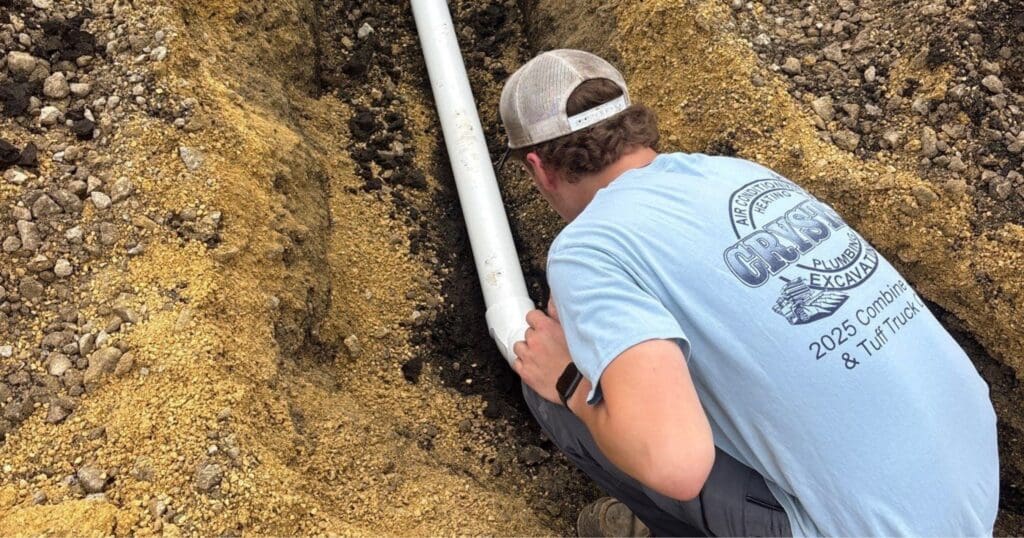
The contractor you hire matters as much as the work they do. Here is what to look for.
Licensing and insurance. In Iowa, plumbing contractors are required to be licensed. Ask for proof before anyone starts work. Insurance protects you if something goes wrong on your property during the job.
Local experience. A contractor who has worked in Bremer County for years understands the regional conditions that affect plumbing systems here. They have seen the problems that come with Iowa winters, aging housing stock, and local water quality firsthand.
Clear communication. A trustworthy contractor explains what they found, what they recommend, and why before asking you to approve anything. If you are getting pressure to decide quickly without a clear explanation, that is worth noting.
References and reviews. Real reviews from local homeowners carry weight. Look for patterns in what people say, not just the star rating.
Availability. Plumbing emergencies do not keep business hours. A contractor with 24/7 emergency availability means you are not left waiting when something urgent happens.
Crystal is fully licensed, insured, and bonded in the state of Iowa, with over 100 years of service in Bremer County and the surrounding region.
Service Areas
Crystal provides plumbing services across Waverly and the broader Bremer County area. If you are a homeowner, property manager, or business owner in any of these communities, Crystal’s team is ready to help.
- Waverly
- Denver
- Tripoli
- Readlyn
- Plainfield
- Frederika
- Cedar Falls
- Waterloo
- Sumner
- Janesville
- Clarksville
- Allison
Bremer County is the heart of Crystal’s service territory. The county’s mix of rural properties, small towns, and agricultural operations creates a wide range of plumbing needs, from residential repairs to well pump service to commercial installations. Crystal has spent over a century working in homes and businesses across Bremer County, and that history means familiarity with the regional conditions, the local housing stock, and the plumbing challenges that come with Iowa’s climate. That kind of local knowledge is not something you get from a contractor who is new to the area.
If you are not sure whether your address falls within the service area, a quick call to the office will get you a straight answer.
Frequently Asked Questions
How Much Does a Plumber Cost in Iowa?
Plumbing costs in Iowa vary based on the type of work involved. Simple repairs like fixing a leaking faucet or replacing a shut-off valve tend to cost less, while more involved jobs like water heater replacement, drain line repairs, or new installations will run higher. Emergency service outside of regular business hours typically carries an additional charge. The best way to get an accurate number is to call for an estimate specific to your situation.
What Causes Low Water Pressure in My Home?
Low water pressure usually has one of several causes: a partially closed main shut-off valve, mineral buildup narrowing the inside of pipes, a failing pressure regulator, or a leak somewhere in the supply line. In older homes, corroded galvanized pipes are a frequent culprit. A plumber can identify the actual source fairly quickly and tell you what the fix looks like.
How Do I Know if I Have a Hidden Water Leak?
Watch your water meter when no water is in use. If the meter is still moving, you likely have a leak somewhere in the system. Other signs include unexplained increases on your water bill, soft or wet spots in the yard, water stains on ceilings or walls, and the sound of running water when everything is shut off.
Can Hard Water Damage My Plumbing?
Over time, yes. High mineral content in the water supply causes scale to build up inside pipes and appliances, reducing flow and straining water heaters and dishwashers. A water softener addresses this at the source and extends the useful life of your plumbing system. See our guide on types of water softeners to find the right option for your Waverly home.
What Should I Do if a Pipe Freezes?
Do not use an open flame to thaw a frozen pipe. If you can access the pipe, a hair dryer on a low setting or warm towels are safer options. Open the faucet first so that steam and water have somewhere to go as the pipe thaws. If you are not sure where the freeze is or if the pipe has already cracked, shut off the main water supply and call a plumber.
How Often Should Plumbing Be Inspected?
For most homes, a plumbing inspection every one to two years is a reasonable schedule. Older homes, properties with well water systems, or houses that have had plumbing issues in the past may benefit from annual checks. An inspection does not take long and is far less disruptive than dealing with a failure that could have been caught earlier.
Should I Replace Galvanized Pipes?
If your home still has galvanized steel pipes, the answer is likely yes, depending on their age and condition. Galvanized pipe has a lifespan of roughly 40 to 70 years. As it ages, it corrodes from the inside out, restricting flow and eventually failing. Signs include rust-colored water, reduced pressure, and visible corrosion at joints. Replacing galvanized pipe with copper or PEX is one of the more impactful upgrades an older home can have.
What is Hard Water and How Does it Affect My Home?
Hard water contains elevated levels of dissolved minerals, primarily calcium and magnesium. In Bremer County, hard water is common. Over time, those minerals leave deposits inside pipes, water heaters, and appliances. You will notice it as white scale buildup around faucets and showerheads, spots on dishes, and reduced lather from soap. A water softener removes those minerals before they reach your plumbing and appliances.
Why Does My Drain Keep Clogging?
A drain that clogs repeatedly after clearing usually has a buildup issue deeper in the line, or a partial obstruction that is never fully removed by household drain products. Kitchen drains accumulate grease over time. Bathroom drains collect hair and soap residue. Main sewer lines can develop root intrusion or partial collapses. A recurring clog is worth having a plumber look at rather than treating indefinitely with temporary fixes.
How Long Do Water Heaters Last?
Conventional tank water heaters typically last 8 to 12 years. Tankless units can last 20 years or more with proper maintenance. Water quality plays a role too. Hard water accelerates wear on heating elements and tank linings. Annual maintenance, including flushing the tank and inspecting the anode rod, helps any water heater reach the upper end of its expected lifespan.
What Counts as a Plumbing Emergency?
A plumbing emergency is any situation where waiting causes measurable damage or creates a health or safety risk. Burst pipes, sewage backups, flooding from a failed water heater, no water supply to the property, and gas line issues connected to plumbing all qualify. If you are unsure whether your situation warrants an emergency call, it is better to call and let the plumber help you assess than to wait and find out the hard way.
Can I Use Chemical Drain Cleaners Regularly?
Chemical drain cleaners can clear minor clogs, but they are not a long-term solution and come with real downsides. Repeated use can soften PVC pipe and accelerate corrosion in older metal pipes. They also do not reach blockages deep in the line. If you are reaching for a chemical cleaner more than occasionally, a plumber should clear the line properly and find out what is causing the buildup.
What is a Sewer Line Inspection and When Do I Need One?
A sewer line inspection uses a camera fed through the clean-out access to visually assess the condition of the main sewer line from your home to the municipal connection. It is recommended when buying an older home, after a major sewer backup, if you have large trees near the sewer line, or if you are experiencing recurring drain problems throughout the house. It takes the guesswork out of what is happening underground.
Related Resources
- Types of Plumbing Systems: A closer look at how residential and commercial plumbing systems are structured and what sets them apart
- Water Softener Guide: What hard water does to your home, how softeners work, and what to look for when choosing a system
- Corrosion in Water Pipes: How to identify pipe corrosion early, what materials are most at risk, and what replacement looks like
- Upgrading Old Plumbing: A practical guide for homeowners in older homes considering a plumbing update, including what to prioritize and what it typically involves
Need Professional Plumbing Services in Waverly or Bremer County?
When something goes wrong with your plumbing, or you are planning a project and want it done right, Crystal is the call to make. Our team is licensed, insured, and bonded in Iowa, with over a century of experience serving homeowners and businesses across Waverly and Bremer County.
Crystal offers 24/7 emergency service because plumbing problems do not wait for business hours. Whether you need a repair scheduled or someone out today, the process starts with a call or a message.