If you’ve ever had a plumber point to a pipe under your sink and explain what needs to be replaced, you know how quickly the conversation can feel technical. Copper, PEX, PVC, galvanized steel…the materials alone can be confusing, and that’s before getting into how your supply and drainage systems actually work together.
At Crystal, we’ve been handling plumbing installations, repairs, and replacements across Waverly and Bremer County for over 80 years. We put this guide together so homeowners have a straightforward reference for understanding what’s running through their walls and under their floors, and why it matters.
The Two Core Plumbing Systems in Your Home
Every home has two separate plumbing systems working alongside each other. Understanding the difference is the foundation for everything else.
Supply System
This is the system that brings clean water into your home. It splits into cold water lines that run directly to your fixtures, and hot water lines that route through your water heater first. The supply system operates under pressure, which is what pushes water up through multiple floors and out through your faucets and showerheads.
Drainage System
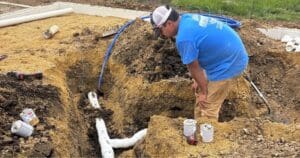
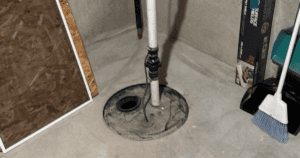
This system removes wastewater from your home and sends it to either the municipal sewer line or your septic system. Unlike the supply system, drainage relies on gravity rather than pressure. Drain pipes are angled downward so waste moves in the right direction. Traps, the curved sections of pipe you see under sinks, hold a small amount of water that blocks sewer gases from backing up into your home. Vent pipes run up through the roof to keep air pressure balanced in the drainage system so everything flows properly.
If you’re dealing with slow drains, gurgling sounds, or sewer smells in your Waverly home, the drainage system or venting is usually where the problem starts.
Types of Plumbing Pipe Materials
The material your pipes are made from affects how long they last, how much they cost, and what they’re best suited for. Here’s a breakdown of the most common options you’ll find in Bremer County homes.
Copper Pipes
Copper has been the go-to material for residential water supply lines for decades. It’s durable, naturally resistant to bacteria, and holds up well in both hot and cold water applications.
- Lifespan: 50 to 70 years with proper maintenance
- Best for: Supply lines, both hot and cold
- Worth knowing: Copper costs more than most alternatives, and in very hard water conditions like those common in Bremer County, mineral buildup can affect performance over time. A water softener can help protect copper pipes from scale damage.
PEX (Cross-Linked Polyethylene) Pipes
PEX has become one of the most popular pipe materials for new residential construction and remodels over the past two decades. It’s flexible, which means it can bend around corners without extra fittings, and it’s significantly easier to install than rigid pipe materials.
- Lifespan: 25 to 40 years
- Best for: Indoor water supply lines, retrofits, areas where flexibility is needed
- Worth knowing: PEX breaks down under UV light, so it’s not suitable for outdoor use. It’s also not compatible with all types of water, so testing your water quality before installation is a good idea.
PVC (Polyvinyl Chloride) Pipes
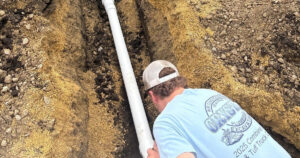
PVC is the white plastic pipe you’ve probably seen in drainage systems. It’s lightweight, affordable, and easy to work with, but it has limits.
- Lifespan: 25 to 40 years
- Best for: Drain lines, waste pipes, and venting systems
- Worth knowing: PVC is not suitable for hot water supply lines. It can warp and degrade under high temperatures, so it stays in the drainage side of your plumbing system.
Galvanized Steel Pipes
Galvanized steel was the standard in homes built before the 1970s. If you live in an older Waverly home, there’s a reasonable chance some galvanized pipe is still in your walls.
- Lifespan: 20 to 50 years, though many are well past that by now
- Best for: Older homes where it hasn’t yet been replaced
- Worth knowing: Galvanized steel corrodes from the inside out over time. That corrosion narrows the pipe interior, reduces water pressure, and can eventually cause leaks. If your home has galvanized pipes and you’re seeing low water pressure or discolored water, it’s worth having them inspected. Read more about what pipe corrosion looks like and what causes it.
Brass Pipes
Brass is highly durable and corrosion-resistant, making it a reliable choice for certain applications. It’s less common as a main pipe material but shows up frequently in fittings, valves, and fixture connections.
- Lifespan: 40 to 70 years
- Best for: Fittings, shutoff valves, and fixture connections
- Worth knowing: Brass costs more than most other materials, so it’s typically used where durability at connection points matters most, rather than as a primary pipe material throughout the home.
Quick Comparison: Pipe Materials at a Glance
| Material | Best For | Lifespan | Relative Cost |
| Copper | Supply lines | 50 to 70 years | High |
| PEX | Indoor supply, retrofits | 25 to 40 years | Low to Mid |
| PVC | Drainage and venting | 25 to 40 years | Low |
| Galvanized Steel | Older homes | 20 to 50 years | Mid |
| Brass | Fittings and valves | 40 to 70 years | High |
Common Plumbing Problems in Waverly Homes
Hard water is one of the biggest factors affecting plumbing performance in Bremer County. The high mineral content in local groundwater accelerates scale buildup inside pipes and on fixtures, which over time reduces water pressure, damages appliances, and shortens the lifespan of your plumbing system.
Here are the most common issues we see on service calls across Waverly and the surrounding area:
Low Water Pressure
Usually caused by mineral buildup inside pipes, a partially closed shutoff valve, or a leak somewhere in the system. If your pressure has gradually dropped over time, scale buildup in your pipes or fixtures is often the cause. Learn more about how hard water affects your home.
Leaky Faucets and Fixtures
Worn washers, corroded valve seats, and degraded seals are the usual culprits. A slow drip might seem minor, but it adds up fast on your water bill and can cause water damage over time if it’s leaking inside a wall or cabinet.
Clogged Drains
Hair, grease, and soap residue are the most common causes in residential drains. In kitchens, grease buildup is the main issue. In bathrooms, hair and soap scum combine to slow drainage over time. Hard water also contributes because mineral deposits narrow drain pipes gradually.
Pipe Corrosion
Older galvanized steel pipes corrode from the inside, which you often can’t see until pressure drops or water discolors. Even copper pipes can develop pinhole leaks over time, especially in hard water conditions. Pipe corrosion is one of the more serious plumbing issues because it tends to develop slowly and go unnoticed until there’s real damage.
Running Toilets
A toilet that runs constantly is almost always a faulty flapper valve or float. It’s a small fix, but worth doing promptly. A running toilet can waste hundreds of gallons of water per day.
Venting Systems
Proper venting is essential to maintain air pressure within the drainage system, ensuring smooth water flow and preventing siphoning of traps. Vent pipes extend from the drainage system to the outside environment, typically exiting through the roof.
DIY vs. Professional Plumbing Work
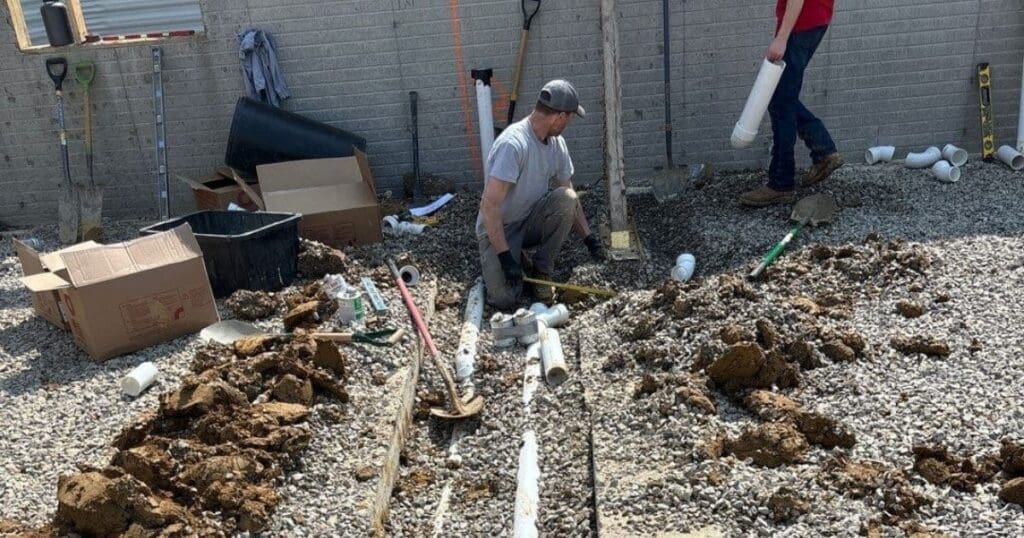
Some plumbing tasks are reasonable DIY projects for a confident homeowner. Others need a licensed plumber. Here’s a practical way to think about it:
Reasonable for DIY:
- Replacing a faucet or showerhead
- Swapping out a toilet flapper or fill valve
- Clearing a simple drain clog with a plunger or hand snake
- Installing a new showerhead or sink aerator
Call a professional for:
- Any work on your main water line or shutoff valve
- Pipe replacements inside walls or under slabs
- Water heater installation or replacement
- Drainage or venting issues
- Any work requiring permits under local Bremer County building codes
Crystal handles all of the above across Waverly and the surrounding area. If you’re not sure which category your project falls into, give us a call, and we’ll give you an honest answer. For a broader look at the plumbing services available in Bremer County, our local guide covers what homeowners most commonly need.
Plumbing Maintenance Tips for Bremer County Homeowners
Staying on top of basic maintenance goes a long way toward avoiding unexpected repairs. Here’s what we recommend:
- Inspect under sinks and around fixtures once a year for signs of moisture, discoloration, or slow drips. Catching a small leak early saves a lot of damage later.
- Flush your water heater annually to clear out sediment, especially if you have hard water. Sediment buildup reduces efficiency and shortens the heater’s lifespan.
- Insulate pipes in unheated spaces like garages, crawl spaces, and exterior walls before winter. Frozen pipes are a common service call in Bremer County during cold snaps.
- Address slow drains early before they become full clogs. A drain that’s getting slower is telling you something.
- Consider a water softener if you haven’t already. Hard water is hard on every part of your plumbing system, from pipes to fixtures to appliances. Learn more about how water softeners protect your home and what types of water softeners are available for Waverly homes.
Frequently Asked Questions
How Do I Know What Type of Pipes I Have in My Waverly Home?
The easiest way is to look at exposed pipes in your basement, utility room, or under sinks. Copper pipes are reddish-brown. PEX is flexible and comes in red, blue, or white. PVC is white and rigid. Galvanized steel is gray and often shows rust or discoloration on older sections. If you’re not sure, Crystal can assess your plumbing during a service call.
How Long Do Plumbing Pipes Last?
It depends on the material. Copper can last 50 to 70 years. PEX and PVC typically run 25 to 40 years. Galvanized steel varies widely, but many pipes in older Bremer County homes are well past their useful life. If your home was built before 1970 and still has original pipes, an inspection is worth scheduling.
What Are The Signs My Pipes Need Replacing?
Low water pressure, discolored water, frequent leaks, visible corrosion, and pipes that make noise when water runs through them are all signs. If you’re dealing with pipe corrosion or recurring leaks in the same area, replacement is usually more cost-effective than repeated repairs.
Does Hard Water Damage Pipes?
Yes. Hard water leaves mineral deposits inside pipes over time, narrowing the interior diameter and reducing flow. It also accelerates corrosion in certain pipe materials. Bremer County groundwater tends to be hard, which is why water softener installation is something we recommend to many local homeowners. See our guide on what a water softener is for more details.
Do I Need a Permit for Plumbing Work in Waverly?
Most significant plumbing work in Iowa requires a permit, including new installations, pipe replacements, and water heater swaps. Crystal handles permitting as part of our installation process, so you don’t have to worry about compliance.
Talk to a Waverly Plumber Who Knows Bremer County
Whether you’re trying to figure out what pipes you have, dealing with a recurring plumbing problem, or planning a renovation, Crystal has the local experience to help. We’ve been serving Waverly and Bremer County homeowners for over 80 years, and we know how local water conditions and home construction affect plumbing performance here specifically.
We’ll give you straight answers, honest recommendations, and work that’s backed by a warranty.
Contact Crystal today for a free quote.