Welcome to our comprehensive guide on corrosion of water pipes—a crucial issue that can compromise the integrity of your plumbing system. Whether you’re a homeowner, property manager, or involved in industrial maintenance, understanding the causes, signs, and remedies for pipe corrosion is essential to ensure reliable water flow and system health.
Understanding Pipe Corrosion
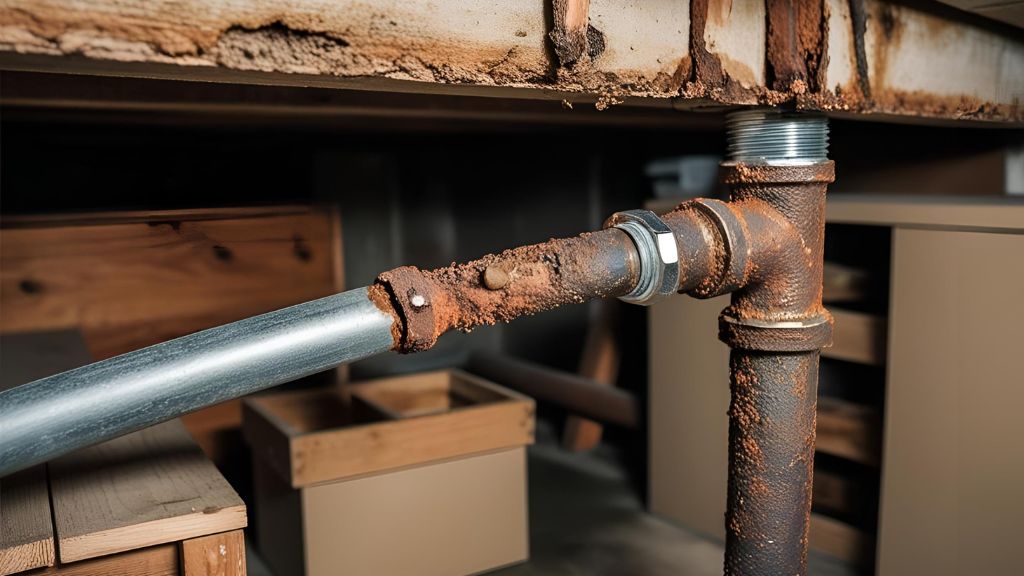
Corrosion in water pipes is a natural process that results from chemical reactions between the pipe material and its environment. Over time, this can lead to leaks, reduced water quality, and even complete system failure. Addressing corrosion proactively can save you from costly repairs and inconvenient disruptions.
What Causes Water Pipe Corrosion?
Several factors contribute to the corrosion of water pipes. Understanding these can help in mitigating risks effectively.
Water Chemistry
- pH Levels: Acidic or highly alkaline water can accelerate corrosion.
- Oxygen Content: High oxygen levels in water promote oxidation, leading to rust.
- Chlorides and Sulfates: These ions can react with pipe materials, weakening them over time.
Pipe Material
- Metal Pipes: Iron, steel, and copper pipes are susceptible to various forms of corrosion.
- Plastic Pipes: While more resistant, certain conditions can still degrade plastic materials.
Environmental Factors
- Soil Conditions: For buried pipes, soil acidity and moisture levels play a significant role.
- Temperature Fluctuations: Extreme temperatures can cause expansion and contraction, stressing pipes.
Flow Rate and Pressure
- High Velocity: Fast-moving water can erode the interior surfaces of pipes.
- Pressure Surges: Fluctuating pressures can create stress points, leading to cracks and leaks.
Types of Pipe Corrosion
Different environments and materials lead to specific types of corrosion:
- Uniform Corrosion: Even thinning of the pipe wall over a large surface area.
- Pitting Corrosion: Localized corrosion creating small pits or holes, which can lead to leaks.
- Galvanic Corrosion: Occurs when two dissimilar metals are in contact in the presence of an electrolyte.
- Crevice Corrosion: Happens in confined spaces where stagnant solutions become trapped.
Identifying Corrosion in Water Pipes
Early detection of corrosion can prevent minor issues from escalating into major problems. Here are common signs to watch for:
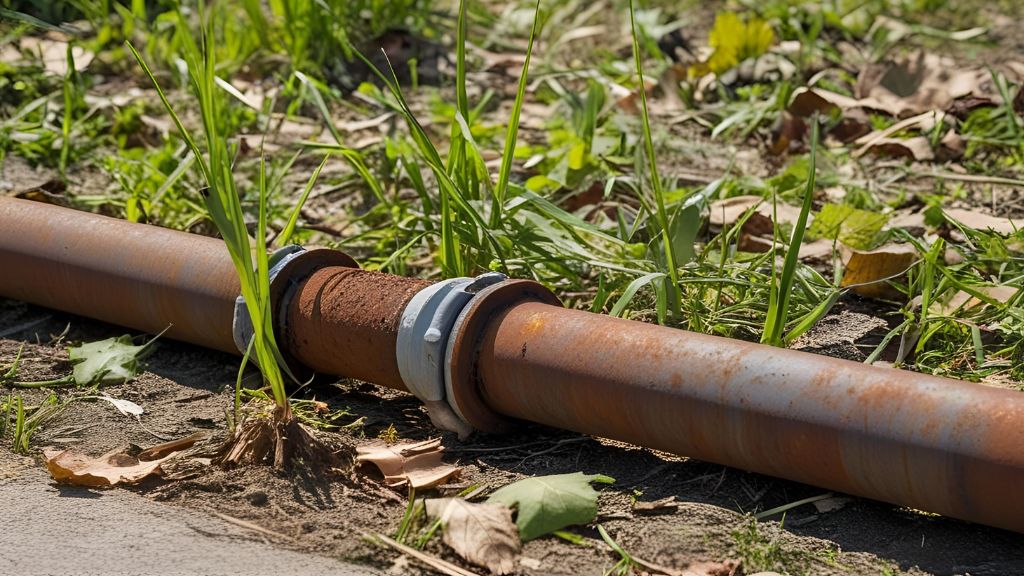
- Discolored Water: Rusty or brown water often indicates the presence of iron corrosion.
- Unusual Taste or Smell: Metallic tastes or smells can signal pipe degradation.
- Visible Leaks: Damp spots, water pooling, or visible leaks around pipes are clear indicators.
- Low Water Pressure: Corrosion can restrict water flow, leading to decreased pressure.
- Staining and Deposits: Mineral deposits or staining on fixtures may result from pipe corrosion.
- Surface Cracks or Deterioration: Inspecting pipes for physical damage can reveal underlying issues.
Remedies for Corroded Water Pipes
Addressing pipe corrosion involves a combination of prevention, maintenance, and repair strategies. Here’s how you can tackle the issue effectively:
Preventative Measures
Water Treatment
- pH Adjustment: Balancing the water’s pH can reduce corrosive effects.
- Deaeration: Removing dissolved oxygen minimizes oxidation.
Use of Corrosion Inhibitors
- Chemicals like phosphate inhibitors form protective layers inside pipes.
Cathodic Protection
- Applying a sacrificial anode to attract corrosive elements away from the pipe.
Maintenance Practices
Regular Inspections
- Scheduled checks can identify corrosion early, preventing extensive damage.
Cleaning and Flushing
- Removing sediment and debris helps maintain optimal water flow and reduces corrosive agents.
Monitoring Water Quality
- Keeping an eye on water chemistry ensures that corrosive elements remain in check.
Repair and Replacement
Spot Repairs
- Patching small leaks or corroded sections can extend the life of existing pipes.
Pipe Coating
- Applying protective coatings inside or outside the pipes to prevent further corrosion.
Full Pipe Replacement
- In cases of extensive corrosion, replacing affected sections with more durable materials like PVC or PEX may be necessary.
Choosing the Right Materials
Selecting corrosion-resistant materials during installation can significantly mitigate future issues. Consider the following options:
- Copper Pipes: In cases of extensive corrosion, replacing affected sections with more durable materials like PVC or PEX may be necessary.
- Stainless Steel Pipes: Highly resistant but more expensive, suitable for high-risk environments.
- PEX (Cross-linked Polyethylene): Flexible, corrosion-resistant, and easy to install, ideal for modern plumbing systems.
- PVC (Polyvinyl Chloride): Resistant to most chemicals and corrosion, commonly used in both residential and commercial settings.
When to Call Professionals
While some maintenance tasks can be handled DIY, addressing significant pipe corrosion requires professional expertise. Situations warranting professional intervention include:
- Persistent Leaks: Continuous leaks despite attempts at repair signal deeper issues.
- Severe Corrosion: Extensive damage that jeopardizes the structural integrity of the piping system.
- Water Quality Issues: Ongoing problems with water taste, smell, or color necessitate comprehensive solutions.
- System Upgrades: Planning significant plumbing renovations or expansions benefits from expert guidance.
Benefits of Professional Corrosion Management
Engaging professionals for corrosion management offers several advantages:
- Expert Assessment: Accurate diagnosis of corrosion types and underlying causes ensures effective treatment.
- Customized Solutions: Tailored strategies address specific conditions and system requirements.
- Advanced Techniques: Access to state-of-the-art technologies and materials enhances long-term durability.
- Compliance and Safety: Professionals ensure that all treatments comply with industry standards and safety regulations.
Cost Implications
Understanding the financial aspects of corrosion management helps in making informed decisions:
- Preventative Measures: Professionals ensure that all treatments comply with industry standards and safety regulations.
- Maintenance Costs: Regular inspections and minor repairs are generally more affordable than major overhauls.
- Repair vs. Replacement: Evaluating the extent of corrosion determines whether to repair specific sections or replace entire systems.
- Long-term Savings: Effective corrosion control enhances the longevity of your plumbing system, reducing recurring costs.
Frequently Asked Questions (FAQs)
What are the most common signs of pipe corrosion?
Common signs include discolored water, leaks, low water pressure, unusual tastes or smells, and visible deterioration of pipe surfaces.
How can I prevent pipe corrosion in my home?
Preventative measures include maintaining balanced water chemistry, using corrosion inhibitors, regular inspections, and selecting corrosion-resistant materials during installation.
When should I replace my corroded pipes?
Consider replacing pipes if you notice extensive corrosion, frequent leaks, compromised water quality, or if the pipes are nearing the end of their expected lifespan.
Can I treat corroded pipes myself?
Minor issues like small leaks can sometimes be managed with DIY repairs, but significant corrosion requires professional assessment and intervention to ensure safety and effectiveness.
How does water chemistry affect pipe corrosion?
Water chemistry, including pH levels, dissolved oxygen, and the presence of certain ions, directly influences the rate and type of corrosion occurring within pipes.
Contact Us for Expert Assistance
Don’t let corrosion undermine the reliability and safety of your water system. Our team of experienced professionals is here to help you identify, address, and prevent pipe corrosion effectively. Whether you need a comprehensive inspection, tailored treatment solutions, or expert repairs, we’re just a call or click away.
Conclusion
Pipe corrosion is a silent threat that can lead to significant disruptions and expenses if left unchecked. By understanding its causes, recognizing the signs, and implementing effective remedies, you can safeguard your water system’s integrity and ensure consistent, clean water flow. Partner with our experts to maintain a robust and corrosion-resistant plumbing infrastructure tailored to your specific needs.
Contact Us Today to protect your water pipes and ensure the longevity of your plumbing system.