Radon fills your home with no warning. You cannot see it, smell it, or taste it. Yet you breathe it every day, and over many years it can cause lung cancer.
The health risks of radon exposure reach homes across Waverly and Bremer County. This guide explains how radon harms your lungs, what the numbers say, and how you can lower your risk.
How Radon Damages Your Lungs
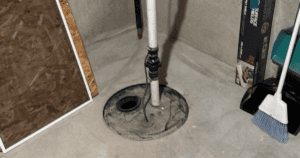
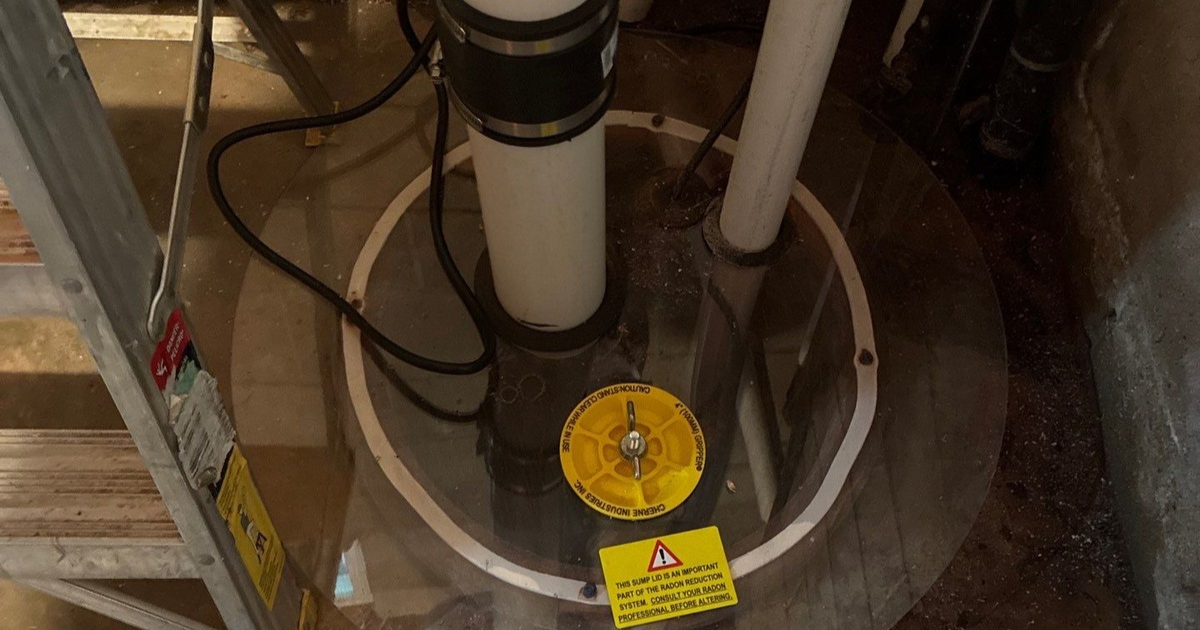
Radon forms when uranium in soil and rock breaks down. The gas rises through the ground and seeps into your home. It enters through foundation cracks, sump pits, crawl spaces, and gaps around pipes.
Once inside, radon breaks down into tiny radioactive particles. You inhale those particles, and they release radiation inside your lungs. That radiation can damage lung cells and lead to cancer.
This damage builds slowly over years. You will not feel sick at first, and radon gives you no early warning. That is why testing matters more than watching for symptoms.
The EPA calls radon the second leading cause of lung cancer in the United States. It also names radon the leading cause among people who have never smoked. You can read the details on the EPA’s health risk of radon page.
Radon and Lung Cancer by the Numbers
Lung cancer is the main health risk of radon exposure. The EPA publishes estimates for the whole country and for different radon levels. Here is what those numbers show.
The National Picture
The EPA estimates that radon causes about 21,000 lung cancer deaths in the U.S. each year. About 2,900 of those deaths happen among people who never smoked.
Those figures show that nonsmokers face real danger too. A home with high radon puts everyone inside at risk.
How Smoking Raises the Risk
Smoking multiplies the danger. Take a radon level of 4 picocuries per liter (pCi/L). The EPA estimates that about 7 in 1,000 never smokers would die from radon-induced lung cancer over a lifetime. For people who smoke, about 62 in 1,000 would.
Higher levels raise the risk further. At 10 pCi/L, the EPA estimates about 18 in 1,000 never smokers and 150 in 1,000 smokers would die from radon-induced lung cancer.
Why Waverly and Bremer County Homes Face Real Risk
The EPA places all 99 Iowa counties in Zone 1, its highest-risk radon category. Bremer County sits in that zone. Zone 1 counties have a predicted average indoor radon level above 4 pCi/L.
Iowa HHS estimates that as many as five in seven Iowa homes have high radon levels. The EPA estimates that radon causes about 400 deaths in Iowa each year. The Iowa HHS radon page shares more local data.
Radon does not follow town lines or home age. A house in Waverly, Denver, Tripoli, or Janesville can test low while the house next door tests high. Basements, crawl spaces, and slab foundations can all have high levels.
Every Bremer County homeowner should test. Our overview of radon in Waverly, Iowa covers more about the area.
Is Any Radon Level Safe?
The EPA recommends fixing your home when radon reaches 4 pCi/L or higher. Lower levels still carry some risk. At 2 pCi/L, the EPA still estimates about 4 in 1,000 never smokers would die of radon-induced lung cancer. For smokers, the figure is about 32 in 1,000.
Risk grows with both the radon level and your time in the home. A National Academies committee found that lung cancer risk rises in proportion to radon exposure. Lowering radon sooner cuts your total exposure over the years.
Many homeowners also hold wrong ideas about radon. Our list of top 10 radon myths sets the facts straight.
How to Lower the Health Risks of Radon Exposure
You can lower your risk in three steps. Test your home, fix high levels, and hire a credentialed professional.
Test Your Home First
Testing is the only way to know your radon level. Short-term kits cost little. Call the Iowa Radon Hotline at 1-800-383-5992 or order a kit from the American Lung Association.
You can also hire a professional. Iowa HHS keeps a list of credentialed radon measurement specialists. Our guide to professional versus DIY radon testing compares both options.
Iowa rules require a professional tester to work for a different firm than your mitigation contractor. That keeps your results independent.
Fix High Radon Levels
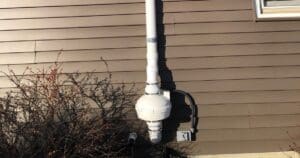
If your test shows 4 pCi/L or higher, install a radon mitigation system. Crystal installs radon systems in Bremer County. Options include crawlspace units, HRV units, sub-slab depressurization, and sub-slab pressurization.
Sub-slab depressurization pulls radon from beneath your foundation and vents it outdoors. Our guide to understanding sub-slab depressurization systems shows how it works. Our radon mitigation cost guide explains what drives the price in Iowa.
After installation, test again to confirm your radon level dropped.
Hire a Credentialed Professional
Iowa law requires radon mitigation specialists to hold a credential from Iowa HHS. Ask every contractor for their credential details. Check those details against the state list.
Our guide on how to find a radon contractor in Waverly covers what else to ask.
Frequently Asked Questions
Does radon cause symptoms right away?
No. Radon causes no immediate symptoms, and lung cancer develops over years. Its signs, such as a lasting cough, tend to appear late. If you have lung health concerns, talk with your doctor and test your home for radon.
Can radon harm people who have never smoked?
Yes. The EPA names radon the leading cause of lung cancer among people who never smoked. It estimates about 2,900 radon-related deaths in that group each year.
Is a radon level below 4 pCi/L safe?
Not completely. The EPA action level is 4 pCi/L, but lower levels still carry some risk. At 2 pCi/L, the EPA still estimates that about 4 in 1,000 never smokers would die of radon-induced lung cancer.
How long does radon exposure take to cause lung cancer?
Radon raises your risk over years, not days. The EPA risk figures assume a lifetime of exposure. Risk grows with both the radon level and the time you spend breathing it.
Does fixing radon reduce the health risks?
Yes. Lung cancer risk rises in proportion to radon exposure, so a mitigation system that lowers radon lowers your exposure. Test again after installation to confirm your results.
Take the Next Step
The health risks of radon exposure are real, but you can measure and fix them. Start with a test. If your result reaches 4 pCi/L or higher, call Crystal at (319) 419-4259.
Visit our radon mitigation page to see your options, or request a free quote today.