Radon is a naturally occurring radioactive gas that can seep into homes from the surrounding soil. Over time, exposure to elevated radon levels has been linked to serious health risks. A sub-slab depressurization system stands out as one of the most effective methods for mitigating these risks by actively removing radon before it accumulates indoors. In this comprehensive guide, we’ll explore how sub-slab depressurization systems work, their key components, the installation process, and the benefits you can expect from a properly installed system.
What is a Sub-Slab Depressurization System?
A sub-slab depressurization system is an active radon mitigation system designed to reduce the radon concentration in the indoor air. It works by creating a pressure differential beneath the concrete floor below your home or building – known as the “sub-slab” area. By actively extracting the radon before it enters the living space, the system significantly lowers the overall radon levels indoors.
How Does It Work?
The system operates by drawing air (and radon gas) from beneath the slab and venting it safely above the building where it disperses harmlessly. The core components that enable this operation include:
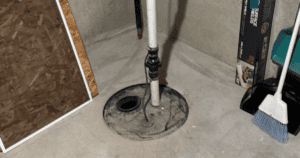
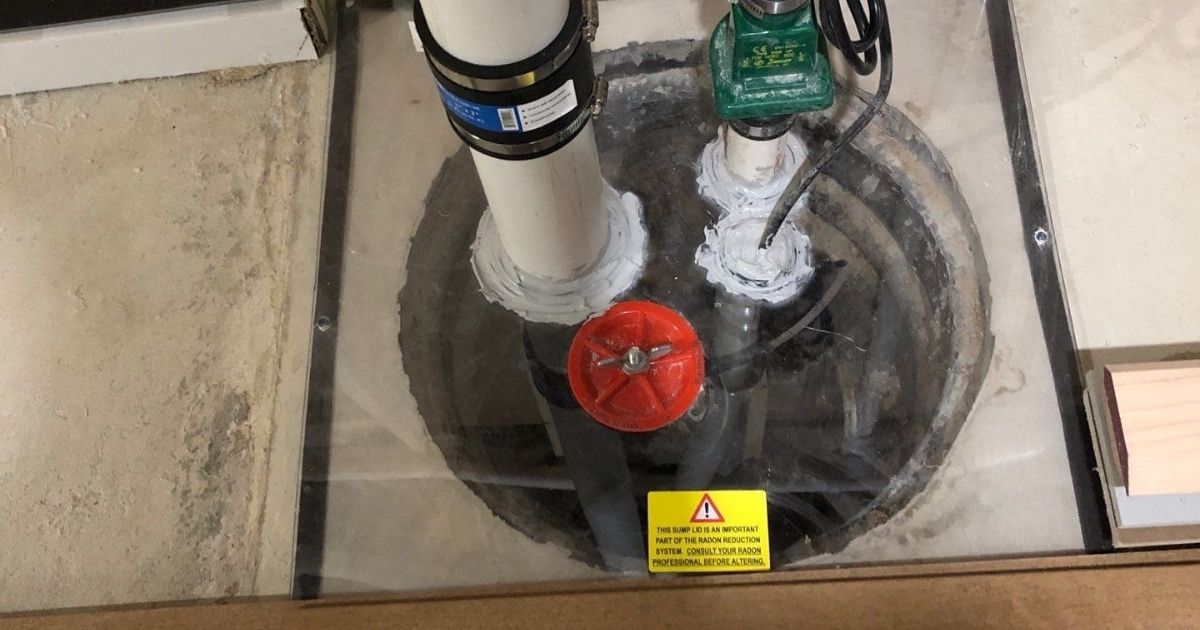
- Sub-Slab Inlet: This is the entry point created by a small opening or a series of openings in the concrete slab. It’s where the radon-laden air is drawn into the system.
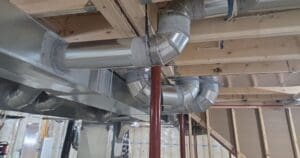
- PVC Piping Network: A series of durable pipes is installed beneath the floor to transport the extracted air from the slab to the fan.
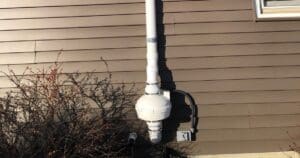
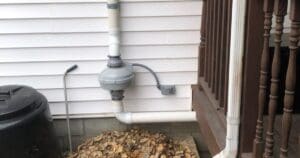
- Fan (or Blower): An in-line fan creates a continuous suction effect beneath the slab, ensuring radon is drawn away from the structure effectively.
- Vent Stack: This is the vertical pipe that extends above the roofline, safely venting the radon outside where it disperses in the atmosphere.
Components and Installation Process
Understanding the individual components of a sub-slab depressurization system and the intricacies of the installation process can help demystify how your home is being protected from radon. Below is a detailed breakdown of what to expect during a typical installation.
Key Components of the System
The design of a sub-slab depressurization system revolves around simplicity and effectiveness. The important elements include:
- Sub-Slab Inlet Creation: Technicians drill small holes in the floor slab (or remove small sections) in areas that are proven to be prime radon entry points. This targeted approach ensures the system can withdraw radon directly from its source.
- PVC or Polypropylene Piping: The piping network is installed under the slab to create a pathway for radon-laden air. These pipes are durable and resistant to corrosion, ensuring long-term reliability.
- In-Line Fan Installation: The fan is strategically placed in a location that allows for efficient operation. It’s typically installed in an attic, basement, or outside the building in a location where it can operate continuously without exposure to adverse weather.
- Vent Stack Assembly: The vent stack carries the extracted air to a point where it can disperse safely. Technicians ensure that the stack is tall enough and positioned to avoid any recirculation of radon back into the building.
The Installation Process
Before installation begins, your home will first undergo a radon test to establish baseline levels. Following the test, professional contractors will follow these steps:
- Site Assessment: A thorough inspection of the building’s architecture and the underlying soil composition helps in planning the installation.
- Strategic Planning: Based on the assessment, professionals decide on the placement of the sub-slab inlet and the routing of the piping system.
- Creating Access Points: Holes or small access pits are made in the concrete slab in reliable radon entry areas.
- Installation of the Piping and Fan: The piping network is placed under the slab, and the in-line fan is installed. All connections are sealed properly to maintain the integrity of the system.
- Final Testing and Calibration: After installation, the system is tested to ensure it creates the necessary vacuum pressure to draw radon effectively. Adjustments are made as needed to optimize performance.
For homeowners who are considering this service, it is crucial to work with experienced professionals. If you want to learn more about our comprehensive installation services, contact us now to schedule an in-home evaluation.
The Science Behind Sub-Slab Depressurization
The core concept behind sub-slab depressurization is one of pressure differentials. By creating a lower pressure beneath the slab compared to the indoor environment, the system forces radon to move away from the structure and into the piping network. This simple but effective approach ensures that radon is continually removed before it can accumulate to dangerous levels. The system leverages fundamental principles of air pressure and gas diffusion, making it an enduring and reliable solution for radon mitigation.
Over the years, extensive studies and field applications have confirmed that sub-slab depressurization can reduce radon levels by up to 99% in many cases. These results have made it the gold standard in radon mitigation strategies.
Benefits of a Sub-Slab Depressurization System
There are several advantages to investing in a sub-slab depressurization system for radon mitigation, especially when compared to other methods:
- Effective Reduction: This system is proven to lower indoor radon levels drastically, often achieving reductions of over 90%, which is usually sufficient to bring levels below the EPA’s recommended threshold.
- Long-Term Reliability: Once installed, these systems can operate continuously for many years with minimal maintenance, providing long-term peace of mind.
- Cost Efficiency: Compared to other mitigation methods, sub-slab depressurization offers a cost-effective solution that delivers significant health benefits and property value enhancement.
- Minimal Disruption: Installation is generally non-invasive, meaning your daily living space remains largely undisturbed during the process.
For anyone seeking to protect their household and ensure a safer environment, investing in this system not only meets regulatory safety guidelines but also safeguards the health of loved ones.
Maintenance and Long-Term Considerations
Like any mechanical system, regular maintenance helps ensure that the sub-slab depressurization system continues to operate at peak efficiency. Although the system is designed to function continuously without major intervention, periodic checks are recommended:
- Annual Inspections: A yearly inspection by a certified radon mitigation professional helps verify that all components are in good condition and functioning as expected.
- Fan Maintenance: The in-line fan, being the heart of the system, may require occasional cleaning or replacement depending on the manufacturer’s instructions and operational conditions.
- System Testing: Regular retesting of your indoor radon levels can help track the effectiveness of the system and identify any potential issues before they become serious.
For added convenience, some service providers offer maintenance contracts, allowing you to enjoy continuous protection without the worry of scheduling periodic inspections yourself. If you are interested in such services, please contact our support team to discuss maintenance plans designed for your specific needs.
Cost Considerations and Return on Investment
Although sub-slab depressurization systems involve an upfront investment, the long-term benefits in terms of health and property value make them a wise expenditure. When evaluating cost, consider the following points:
- Initial Installation: The cost typically covers the site assessment, materials (inlet points, piping, fan, and vent stack), and professional labor.
- Energy Efficiency: Modern systems are designed to consume minimal energy, thereby reducing ongoing operational costs.
- Enhanced Property Value: Homes equipped with radon mitigation systems are viewed more favorably in real estate transactions, adding an extra layer of market appeal.
- Health Savings: Preventing radon-related health issues can potentially save considerable medical expenses and enhance quality of life.
Ultimately, the return on investment for radon mitigation is multi-faceted, offering both immediate safety improvements and long-term economic benefits. Our team can provide a detailed cost analysis during your consultation to help you understand the full scope of the investment.
Additional Radon Mitigation Techniques
While sub-slab depressurization is the most common approach for mitigating radon in homes built on concrete slabs, it isn’t the only method available. It is worth noting a few alternative or complementary techniques that might be used where appropriate:
- Sealing Cracks and Openings: This involves using sealants and caulks to close visible openings in the concrete slab. Although sealing alone rarely achieves substantial radon reduction, it is an important step in the mitigation process.
- Passive Sub-Slab Venting: In a passive system, the natural stack effect draws the radon out from beneath the slab. However, due to variable weather conditions and other factors, passive systems are generally less reliable than active ones.
- Combination Systems: Sometimes, an effective approach requires combining active sub-slab depressurization with sealing, or even with other ventilation strategies, to achieve the desired radon reduction.
These alternatives may be more appropriate in certain circumstances, such as with structures that do not have standard basements or in regions where radon levels vary significantly. Consulting with a radon mitigation expert is the best way to determine the most suitable solution for your situation.
Frequently Asked Questions (FAQ)
To further assist you in understanding sub-slab depressurization systems, we have compiled answers to some of the most frequently asked questions:
How long does the installation process take?
Most installations can be completed within one to two days, depending on the building’s layout and any additional modifications needed.
Is a sub-slab depressurization system suitable for all types of homes?
While it is most commonly used in homes with concrete slabs, alternative systems may be recommended for structures with crawl spaces or other configurations.
Do I need to test my home again after installation?
Yes, it is advisable to perform follow-up radon testing to confirm that the system is operating effectively. Regular testing is also recommended to ensure continuous safety.
How often should maintenance be performed?
Annual inspections are suggested, with additional maintenance as needed based on the manufacturer’s recommendations and system performance.
Final Thoughts
Sub-slab depressurization represents one of the most effective strategies for mitigating radon in residential and commercial properties. By drawing radon away from the building through simple yet efficient air pressure principles, this system offers lasting reliability and measurable improvements in indoor air quality.
The combination of robust installation methods, low maintenance requirements, and significant health benefits makes sub-slab depressurization a compelling choice for anyone concerned about radon exposure. With detailed planning, thorough execution, and the ongoing support of experienced professionals, you can enjoy peace of mind knowing that your property is protected against this silent hazard.
Remember, safety starts with informed decisions. Take the time to assess your risks and reach out to our specialists to discuss how our radon mitigation systems can work for you. Your health and well-being are worth every effort to ensure a secure and comfortable space.