When it comes to making your home’s water more efficient and enjoyable, choosing the right water softener is essential. Hard water, which contains high levels of minerals such as calcium and magnesium, can cause a range of problems—from scale buildup on appliances to dry skin and dull laundry.
In this comprehensive guide, we will dive into the three main types of water softeners: salt-based, salt-free, and dual-tank systems. Each of these systems works differently and offers its own set of benefits and potential drawbacks. By the end of this article, you’ll have a clear understanding of how each type functions, which factors to consider, and which system might be best suited for your household needs.
Understanding the Need for Water Softening
Hard water can be a silent adversary in your home. The minerals present in hard water are notorious for leaving deposits on plumbing fixtures and appliances, resulting in inefficiency and increased wear over time. Here are some common issues associated with hard water:
- Scale Buildup: Deposits can accumulate in pipes, on faucets, and inside appliances, reducing their efficiency and lifespan.
- Increased Soap Usage: Hard water prevents soap from lathering effectively, meaning you may end up using more detergent for cleaning or bathing.
- Skin and Hair Concerns: Hard water can leave your skin feeling dry and your hair looking dull after each wash.
Installing a water softener can mitigate these problems by effectively removing or reducing the minerals that cause hard water issues.
How Do Water Softeners Work?
Before we explore the types of water softeners, it’s important to understand the basic principle behind how they work. Water softeners generally function by targeting the minerals—chiefly calcium and magnesium—that cause water hardness. They can either remove these minerals directly from the water or alter them so that they no longer cause scale formation.
The principle is simple: by treating your water, you not only protect your plumbing and appliances but also improve the overall quality of your water. With clearer, softer water, your daily routines—from showering to cleaning—can become more efficient and pleasant. Let’s take a deeper look into the three primary types of water softeners available in today’s market.
Salt-Based Water Softeners
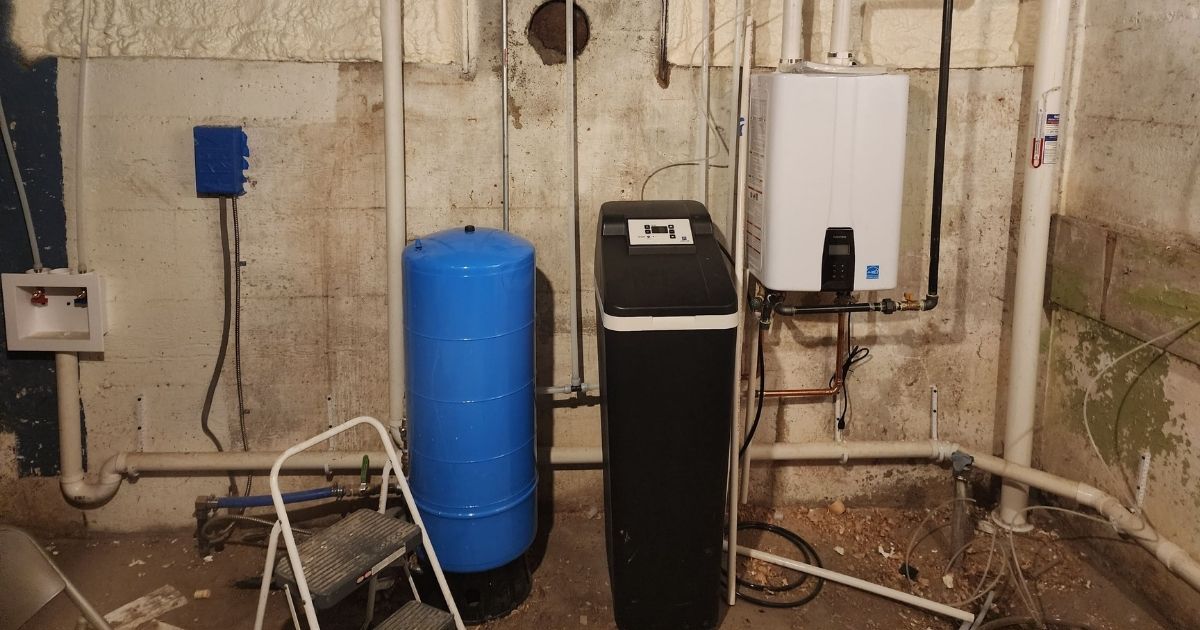
Salt-based water softeners are the most traditional and widely used type of water treatment system. These systems work on an ion-exchange process. In simple terms, the softener replaces the calcium and magnesium ions in the water with sodium or potassium ions. This means the water becomes “soft” because these sodium or potassium ions do not create scale when heated or left in contact with your plumbing.
Benefits of Salt-Based Systems
Choosing a salt-based water softener comes with several advantages:
- Reliable Softening: Most homeowners find that salt-based units are very effective at removing hard water minerals, resulting in consistently soft water.
- Improved Appliance Longevity: With less scale buildup, your appliances and plumbing face less stress, potentially extending their lifespans.
- Consistent Performance: These systems have been tried-and-tested over decades and offer dependable performance in a variety of water hardness situations.
Considerations and Potential Drawbacks
Despite their many benefits, there are some points to consider before opting for a salt-based water softener:
- Salt Consumption: Salt-based units require regular addition of salt or potassium chloride, which translates into ongoing maintenance and cost.
- Environmental Considerations: There are concerns about the discharge of salt brine into the environment, which can affect local water supplies and soil conditions if not managed properly.
- Water Taste: Some people report a slight taste difference in the water due to the added sodium, though this is generally not a concern for most households.
Salt-Free Water Softeners
Salt-free water softeners are an increasingly popular alternative, especially among households that are environmentally conscious or wish to avoid the taste changes associated with sodium. Unlike salt-based systems, salt-free units do not remove minerals. Instead, they use a process called crystalization or template-assisted crystallization (TAC), which converts minerals into a form that doesn’t stick to surfaces.
Benefits of Salt-Free Systems
Salt-free water softeners offer several advantages that appeal to a growing segment of homeowners:
- Low Maintenance: Without the need for salt refills or scheduled regeneration cycles, maintenance is relatively straightforward.
- Environmentally Friendly: Since there’s no salt discharge, these systems are less harmful to the environment and suitable for areas with environmental restrictions.
- Retained Mineral Benefits: Many minerals, although responsible for hardness, offer health benefits; salt-free systems retain these minerals in the water.
Considerations and Potential Drawbacks
Salt-free systems also come with their own challenges:
- Effectiveness: Although they condition water to reduce scaling, salt-free softeners do not actually remove the minerals. In areas with very hard water, you might still notice some deposits.
- Specific Use Cases: Not all appliances and fixtures respond equally to water treated by a salt-free system, meaning that in some cases, scale may still form over time.
- Upfront Cost: Initial installation costs can be higher than salt-based systems, although savings may be realized over time due to lower maintenance expenses.
Dual-Tank Water Softeners
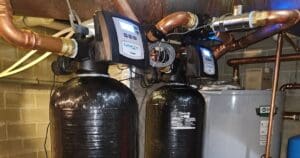
Dual-tank water softeners bring the conventional salt-based system one step further by featuring two separate tanks. This configuration ensures that there is always one tank in service, even when the other is regenerating. This makes them particularly suitable for households with high water usage or for situations where uninterrupted water supply is critical.
Benefits of Dual-Tank Systems
Dual-tank softeners have several compelling advantages:
- Continuous Soft Water Supply: Since one tank is always active, there’s no waiting period for the system to complete a regeneration cycle.
- High Efficiency: These systems are designed to handle substantial volumes of water, making them an excellent choice for large families or commercial applications.
- Extended System Life: With the load divided between two tanks, wear and tear on each individual tank is reduced, potentially extending the overall system lifespan.
Considerations and Potential Drawbacks
Before selecting a dual-tank system, consider the following factors:
- Higher Initial Investment: Due to the added complexity and components, dual-tank systems cost more upfront than single-tank models.
- Space Requirements: Dual tanks require more physical space for installation, which could be a limiting factor in smaller homes.
- Maintenance Complexity: While the system is efficient, there can be additional maintenance steps involved in keeping both tanks functioning optimally.
Comparing the Three Types: A Side-by-Side Look
To assist in your decision-making, let’s take a closer look at how these systems compare in terms of key factors:
Effectiveness in Softening: Salt-based softeners excel in removing hardness minerals, while salt-free systems condition the water to mitigate scaling. Dual-tank softeners combine the benefits of salt-based systems while ensuring continuous water supply.
Maintenance Requirements: Salt-based systems demand regular salt refills and system regeneration, whereas salt-free softeners require minimal intervention. Dual-tank systems, although efficient, necessitate a bit more attention due to their more complex setup.
Environmental Impact: Those who are environmentally conscious might lean towards salt-free systems, as they avoid salt discharge. Salt-based systems, however, have methods in place to mitigate environmental issues when properly maintained.
Cost Factors: Salt-based models tend to be economical in terms of initial cost but will incur recurring expenses for salt. Salt-free systems have a higher upfront cost yet simpler long-term upkeep. Dual-tank systems, with their added features, are the most expensive option, particularly suitable for higher demand applications.
How to Choose the Right Water Softener for Your Home
Deciding which type of water softener is right for you depends on a variety of factors, including your household’s water usage, your local water hardness, and your personal preferences regarding maintenance and environmental impact. Here are some key questions to ask yourself when making a decision:
- What is your water hardness level? Knowing how hard your water truly is can help determine the level of treatment you need. High hardness typically calls for a more robust treatment, such as a salt-based or dual-tank system.
- How much water does your home use? Large families or households with high water usage might benefit from the continuous supply offered by dual-tank systems.
- Are you concerned about the environmental impact? If minimizing salt discharge and maintaining natural mineral content is a priority, a salt-free system may be the best choice.
- What is your budget? Consider both the upfront installation costs and the ongoing maintenance expenses when choosing your system.
Installation and Maintenance Considerations
Once you’ve selected the type of water softener that fits your needs, understanding installation and maintenance requirements is vital to getting the most out of your investment. Here are a few things to keep in mind:
Installation: Professionally installing a water softener ensures that the system works efficiently right from the start. Many companies offer a free consultation or an on-site evaluation to help determine the ideal system and proper installation configuration. Contact our team today to set up a consultation if you’re considering an upgrade to your water treatment system.
Regular Maintenance: Traditional salt-based systems require periodic refilling of salt and occasional resin cleaning or replacement. Even salt-free systems, while generally maintenance-free, benefit from a yearly check-up to ensure optimal performance. Dual-tank systems, though more complex, often come with manufacturer guidelines that will help you keep track of upkeep needs.
To ensure that your water softener remains effective:
- Schedule annual professional inspections even if your system is designed to be low maintenance.
- Keep track of your system’s performance by occasionally testing your water hardness.
- Follow manufacturer guidelines closely for cleaning and part replacements.
Frequently Asked Questions About Water Softeners
Here are some commonly asked questions to help you better understand the various water softener options:
How Do I Know If My Water Is Hard?
You can either use a hard water test kit or consult your local water utility. Typically, water with more than 120 ppm (parts per million) calcium carbonate is considered hard.
Will Using a Salt-based System Add Sodium To My Water?
Yes, the process of ion exchange involves swapping calcium and magnesium ions with sodium (or sometimes potassium). However, the amount of sodium added is generally very low and well within safe drinking levels. For those particularly concerned about sodium intake, potassium chloride is an alternative option.
Can a Water Softener Help With Cleaning and Appliance Efficiency?
Absolutely! Softer water helps cleaning agents work more effectively, reduces scale buildup in appliances, and can even extend the life of pipes and fixtures.
How Often Does a Salt-based System Need Maintenance?
Typically, you will need to add salt every month or so, depending on your water usage and the specific model. Regular inspections once or twice a year are also recommended to ensure optimal performance.
Final Thoughts: Making an Informed Choice
Choosing the right water softener for your home is an investment in the quality and longevity of your appliances, plumbing, and overall well-being. Whether you opt for a traditional salt-based system, a modern salt-free unit, or a robust dual-tank configuration, understanding each option’s benefits and limitations will help you make an informed decision that fits your lifestyle.
This guide aims to deliver clarity in a field that can often seem overwhelmingly technical. Remember that each home has different needs based on water usage, local water hardness, and personal priorities regarding maintenance and environmental impact.
If you’re still unsure about which system best suits your needs, reach out to our expert team for a personalized consultation. We offer detailed water analysis and in-home evaluations to ensure you choose the most efficient, cost-effective, and sustainable solution for water softening.