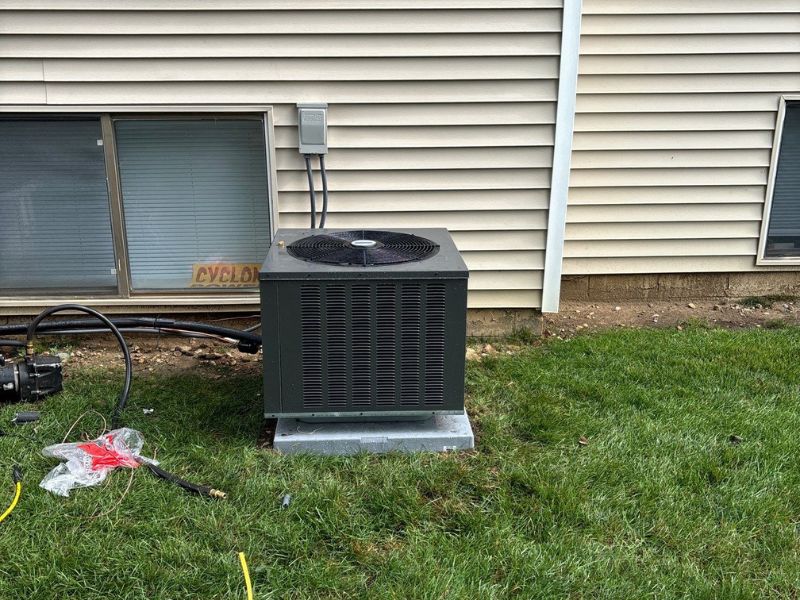
In the ever-evolving world of heating, ventilation, and air conditioning (HVAC), heat pumps have emerged as a versatile and energy-efficient solution for year-round climate control. Whether you’re looking to heat your home during the chilly winter months or cool it down in the sweltering summer heat, understanding how heat pumps work and their benefits can help you make an informed decision for your HVAC needs.
Understanding Heat Pumps
At its core, a heat pump is a device that transfers heat from one place to another. Unlike traditional heating systems that generate heat, heat pumps move existing heat, making them inherently more efficient. This unique capability allows them to provide both heating and cooling, eliminating the need for separate systems.
How Heat Pumps Work
A heat pump operates on the principle of heat transfer, utilizing a refrigeration cycle similar to that of an air conditioner or a refrigerator. Here’s a simplified breakdown of the process:
- Evaporation: The heat pump’s refrigerant absorbs heat from the outside air, ground, or water, causing it to evaporate into a gas.
- Compression: A compressor increases the temperature of the refrigerant gas, intensifying its heat content.
- Condensation: The hot refrigerant gas flows through a condenser, releasing heat into your home and cooling down in the process.
- Expansion: After releasing heat, the refrigerant returns to a liquid state, ready to absorb more heat from the environment.
This cycle repeats continuously, effectively transferring heat where it’s needed most, whether indoors or outdoors.
Key Components of a Heat Pump
Understanding the main components of a heat pump can provide deeper insights into its functionality:
- Evaporator Coil: Absorbs heat from the surrounding environment.
- Condenser Coil: Releases absorbed heat into your home.
- Compressor: Circulates the refrigerant and increases its temperature.
- Expansion Valve: Regulates the flow of refrigerant into the evaporator.
- Refrigerant: The medium through which heat is transferred.
Each of these components plays a crucial role in the heat pump’s ability to efficiently manage indoor temperatures.
Types of Heat Pumps
Heat pumps come in various types, each suited to different environments and needs. Understanding these options can help you choose the best system for your home or business.
Air-Source Heat Pumps
The most common type, air-source heat pumps, transfer heat between your home and the outside air. They are relatively easy to install and are well-suited for moderate climates. Modern advancements have significantly improved their efficiency, even in lower temperatures.
Ground-Source (Geothermal) Heat Pumps
Ground-source heat pumps leverage the stable temperatures below the earth’s surface to provide heating and cooling. While the initial installation cost is higher due to the need for ground loops, their unparalleled efficiency and longevity make them a worthwhile investment for many homeowners.
Water-Source Heat Pumps
Water-source heat pumps utilize nearby water bodies, such as lakes or wells, to exchange heat. They are highly efficient but require access to a suitable water source, making them less common than air or ground-source systems.
Ductless Mini-Split Heat Pumps
For homes without existing ductwork, ductless mini-split heat pumps offer a flexible solution. They consist of an outdoor unit and one or more indoor units, providing targeted heating and cooling without the need for extensive duct installation.
Benefits of Heat Pumps in HVAC
Switching to a heat pump system can offer numerous advantages beyond conventional heating and cooling methods.
Energy Efficiency
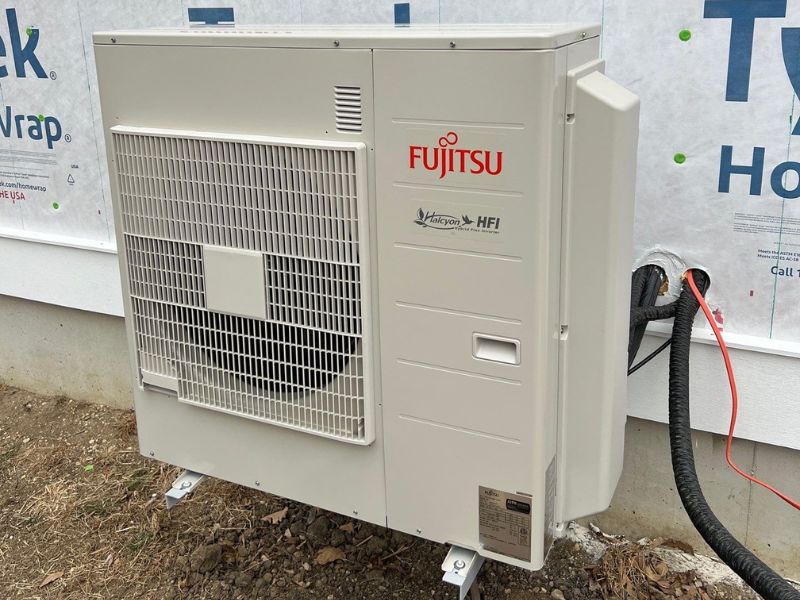
One of the standout benefits of heat pumps is their exceptional energy efficiency. By transferring heat rather than generating it, heat pumps can achieve efficiency levels up to three times higher than traditional HVAC systems. This translates to significant energy savings on your utility bills.
Cost Savings
While the initial installation cost of a heat pump might be higher than some traditional systems, the long-term savings are substantial. Lower energy consumption means reduced monthly bills, and many regions offer incentives or rebates to offset installation costs.
Environmental Impact
Heat pumps are environmentally friendly, producing fewer greenhouse gas emissions compared to fossil fuel-based heating systems. Their high efficiency means less energy is required to achieve the same level of comfort, contributing to a smaller carbon footprint.
Year-Round Comfort
With the ability to both heat and cool your home, heat pumps provide a seamless climate control solution throughout the year. This versatility eliminates the need for multiple systems, simplifying maintenance and enhancing overall comfort.
Longevity and Durability
Modern heat pumps are built to last, with many units offering warranties of up to 15 years or more. Regular maintenance can further extend their lifespan, making them a reliable choice for long-term HVAC needs.
Choosing the Right Heat Pump
Selecting the appropriate heat pump for your home involves several considerations to ensure optimal performance and efficiency.
Assessing Your Needs
Begin by evaluating your heating and cooling requirements based on your local climate, home size, and existing infrastructure. For instance, ground-source heat pumps excel in extreme climates, while air-source units are ideal for milder regions.
Sizing the System
Proper sizing is crucial for a heat pump’s efficiency and effectiveness. An undersized unit may struggle to provide adequate heating or cooling, while an oversized system can lead to energy waste and increased wear and tear. Consulting with an HVAC professional can help determine the right size for your space.
Installation Quality
Professional installation is essential to maximize a heat pump’s performance and lifespan. Ensure that your chosen HVAC company has certified technicians with experience in installing and maintaining heat pump systems.
Budget and Incentives
Consider your budget, including installation costs and potential energy savings. Additionally, explore available rebates or incentives that can reduce the initial investment, making heat pumps more affordable.
Maintenance and Troubleshooting
Regular maintenance is key to ensuring your heat pump operates efficiently and reliably. Here are some essential maintenance tips:
Seasonal Inspections
Schedule professional inspections at least twice a year—before the heating season and before the cooling season. This ensures that all components are functioning correctly and any potential issues are addressed promptly.
Filter Replacement
Regularly replace or clean air filters to maintain optimal airflow and system efficiency. Dirty filters can reduce performance and increase energy consumption.
Clear Surroundings
Keep the outdoor unit free of debris, leaves, and other obstructions to ensure proper airflow. Trim back any vegetation that may impede the unit’s operation.
Monitor Performance
Pay attention to any changes in your heat pump’s performance, such as unusual noises or reduced heating and cooling capabilities. Early detection of issues can prevent more significant problems down the line.
DIY Troubleshooting
While some minor issues can be addressed independently, such as resetting the system or checking the thermostat settings, more complex problems should be handled by a professional to avoid causing further damage.
Heat Pumps vs. Traditional HVAC Systems
Comparing heat pumps to traditional HVAC systems can help highlight their advantages and determine the best fit for your needs.
Efficiency
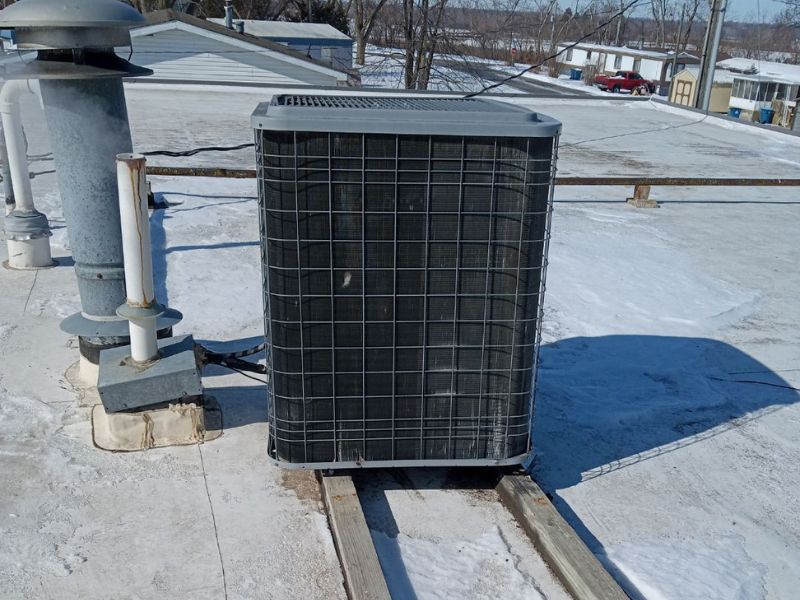
Heat pumps generally offer higher energy efficiency levels compared to conventional furnaces or air conditioners, leading to lower operational costs and reduced environmental impact.
Versatility
With the ability to provide both heating and cooling, heat pumps eliminate the need for separate systems, saving space and simplifying maintenance.
Installation
Heat pumps, especially ground-source models, can have higher upfront installation costs. However, the long-term savings and efficiency gains often offset the initial investment.
Climate Suitability
While air-source heat pumps perform well in moderate climates, their efficiency may decrease in extremely cold regions. Ground-source heat pumps maintain consistent performance regardless of external temperatures, making them suitable for a wider range of climates.
Lifespan
Heat pumps typically have a longer lifespan compared to traditional HVAC systems, provided they receive regular maintenance and timely repairs.
Frequently Asked Questions
1. Can a heat pump replace my furnace and air conditioner?
Yes, a heat pump can serve as both a heating and cooling system, eliminating the need for separate furnace and air conditioner units.
2. Are heat pumps suitable for very cold climates?
Modern air-source heat pumps are more effective in colder climates than ever before. However, in extremely cold regions, a ground-source heat pump might be a better option due to its consistent performance.
3. How much can I expect to save on energy bills with a heat pump?
Energy savings vary based on factors like the size of your home, climate, and energy rates. On average, heat pumps can reduce energy consumption by up to 30% compared to traditional HVAC systems.
4. What maintenance does a heat pump require?
Regular maintenance includes seasonal inspections, filter replacements, clearing debris from the outdoor unit, and ensuring proper refrigerant levels. It’s advisable to have a professional service your heat pump annually.
5. Are there any incentives for installing a heat pump?
Many regions offer rebates, tax credits, or other incentives to promote energy-efficient HVAC systems like heat pumps. Check with local utility companies or government programs for available offers.
Ready to Upgrade Your HVAC System?
Embracing the efficiency and versatility of a heat pump can transform your home’s comfort and energy usage. Whether you’re building a new home or upgrading your existing system, our team of experienced HVAC professionals is here to guide you through every step of the process.
Contact us today to schedule a consultation and discover how a heat pump can enhance your home’s climate control while saving you money.
By choosing a heat pump, you’re not only investing in a more efficient HVAC system but also contributing to a greener, more sustainable future. Let us help you make the switch smoothly and effectively, ensuring your home remains comfortable year-round.