Embarking on an excavation project, whether for residential, commercial, or industrial purposes, requires careful planning and execution. One of the most critical decisions you’ll make is selecting the right excavation contractor. The success of your project hinges not only on your vision but also on the expertise and reliability of the professionals you hire.
In this guide, we’ll explore the essential factors you should consider before hiring an excavation contractor, ensuring that you make an informed decision that aligns with your project’s requirements and your expectations.
1. Assess Your Project’s Specific Needs
Before beginning your search for an excavation contractor, it’s vital to clearly understand the specifics of your project. Different projects have varying demands, and not all contractors specialize in every type.
Project Scale and Scope
Consider whether your project is residential—such as digging a foundation for a new home—or commercial, like preparing a site for a new building. Larger projects may require contractors with more extensive resources and equipment.
Type of Excavation
Excavation can involve various tasks, including site preparation, grading, trenching, demolition, and land clearing. Determine the particular services you need, and ensure the contractor has expertise in those areas.
Special Requirements
Some projects may have unique requirements, such as working in areas with existing underground utilities, adhering to specific environmental regulations, or dealing with challenging soil conditions. Assess whether the contractor has the capability to handle these special conditions.
2. Verify Licensing and Insurance
Ensuring that your excavation contractor is properly licensed and insured is non-negotiable.
Licensing
Contracts and permits often require contractors to hold specific licenses. Verify that the contractor possesses all necessary licenses for your locality and for the type of excavation work involved. This not only ensures compliance with legal standards but also reflects the contractor’s commitment to professionalism.
Insurance Coverage
Accidents can happen on any construction site. Proper insurance protects both you and the contractor from potential liabilities. Confirm that the contractor has comprehensive general liability insurance and workers’ compensation coverage. Ask for proof of insurance, and verify its validity with the issuing authority.
3. Evaluate Experience and Expertise
Experience is a significant indicator of a contractor’s reliability and skill.
Years in Business
Contractors with several years of experience are likely to have honed their skills, handled various challenges, and developed efficient processes. While newer contractors can bring fresh perspectives, established ones often provide reassurance of their ability to deliver.
Specialization
Investigate whether the contractor specializes in the type of excavation required for your project. Specialized expertise can translate into higher quality results and more efficient project completion.
Past Projects
Review the contractor’s portfolio to get a sense of their work quality and style. Successful completion of projects similar to yours indicates that the contractor is capable of meeting your needs.
4. Check References and Reviews
Gathering insights from previous clients can shed light on what to expect.
References
Ask the contractor for a list of references. Contact these references to inquire about their experiences, the contractor’s reliability, adherence to timelines and budgets, and overall satisfaction with the work performed.
Online Reviews
In today’s digital age, online reviews on platforms like Google, Yelp, or the Better Business Bureau can provide a broader perspective. Look for patterns in feedback, both positive and negative, to gauge the contractor’s reputation.
5. Assess Equipment and Technology
The quality and efficiency of the contractor’s equipment can significantly impact your project.
Modern Equipment
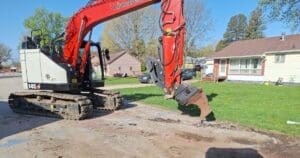
Contractors equipped with up-to-date machinery are better positioned to handle various excavation tasks efficiently. Modern equipment often translates to faster project completion and fewer delays.
Maintenance
Regular maintenance ensures that equipment operates smoothly and safely. Inquire about the contractor’s maintenance practices to avoid issues during your project.
Technology Utilization
Advanced technology, such as GPS-guided machinery or project management software, can enhance precision and communication. A contractor leveraging technology is likely to execute projects more effectively.
6. Understand Pricing and Payment Structures
Cost is a fundamental consideration, but it shouldn’t be the sole determining factor.
Detailed Estimates
Request detailed, written estimates that break down costs line by line. This transparency helps prevent unexpected expenses and allows for a clear comparison between different contractors.
Transparent Pricing
Ensure that the contractor’s pricing structure is transparent. Understand what is included in the quotes and clarify any ambiguities beforehand.
Payment Schedule
Discuss the payment schedule upfront. Reputable contractors often require a reasonable deposit with subsequent payments tied to specific project milestones. Avoid contractors who demand full payment before work begins.
7. Review Contracts Thoroughly
A well-defined contract is essential for protecting both parties and ensuring project success.
Scope of Work
Clearly outline the scope of work, including specific tasks, materials, and services to be provided. This minimizes misunderstandings and sets clear expectations.
Timeline
Establish a realistic timeline with defined start and completion dates. Also, include provisions for potential delays due to unforeseen circumstances, such as weather conditions or supply chain issues.
Warranty and Guarantees
Understand the contractor’s policy on warranties and guarantees for their work. A willingness to stand behind their work reflects confidence in their craftsmanship.
Dispute Resolution
Include mechanisms for resolving disputes, such as mediation or arbitration, to handle any conflicts that may arise during the project.
8. Ensure Compliance with Regulations and Permits
Excavation projects often require compliance with local regulations and obtaining necessary permits.
Permitting Process
Determine which permits are required for your project and whether the contractor will handle the permitting process. Experienced contractors typically manage this aspect efficiently, ensuring compliance with all legal requirements.
Environmental Regulations
Ensure that the contractor adheres to environmental regulations, especially if your project involves sensitive ecosystems or areas with strict environmental oversight.
9. Communication and Project Management
Effective communication is vital for the smooth execution of any project.
Responsive Communication
Evaluate the contractor’s responsiveness when you initially reach out. Prompt and clear communication indicates that they value your project and are committed to maintaining an open dialogue.
Project Updates
Establish a system for regular updates on project progress. This can include scheduled meetings, progress reports, or digital communication channels.
Point of Contact
Identify a primary point of contact within the contractor’s team to streamline communication and address any questions or concerns promptly.
10. Safety Practices
Excavation work involves significant risks. Ensuring that the contractor prioritizes safety is paramount.
Safety Protocols
Inquire about the contractor’s safety protocols. A commitment to safety minimizes the risk of accidents and demonstrates professional responsibility.
Certifications
Check if the contractor holds any safety certifications or has undergone specific training. Certified safety personnel contribute to a secure work environment.
Track Record
Review the contractor’s safety track record. A history free of major accidents is a positive indicator of their commitment to maintaining a safe job site.
11. Environmental Considerations
Sustainability is an increasingly important aspect of construction projects.
Sustainable Practices
Ask about the contractor’s sustainable practices, such as recycling materials, minimizing waste, and reducing environmental impact. Contractors who prioritize sustainability contribute positively to the environment and your project’s social responsibility.
Erosion and Sediment Control
Ensure that the contractor has measures in place to control erosion and sediment runoff, particularly if your project is near water bodies or environmentally sensitive areas.
12. Local Knowledge and Familiarity
Hiring a contractor familiar with your local area brings several advantages.
Understanding Local Terrain
Local contractors have experience dealing with the specific terrain and soil conditions of the area, which can enhance project efficiency and effectiveness.
Regulatory Familiarity
They are more likely to be acquainted with local building codes, regulations, and permitting processes, facilitating smoother project execution.
Accessible for Follow-ups
Proximity ensures that the contractor is easily accessible for any follow-ups, maintenance, or additional work that may be required after the initial project completion.
13. Sustainable Practices
Emphasizing sustainability can benefit both your project and the environment.
Energy Efficiency
Contractors who employ energy-efficient practices and equipment contribute to reducing the overall environmental footprint of your project.
Material Sourcing
Consider contractors who source materials responsibly and prefer sustainable materials when possible. This approach supports eco-friendly construction and can enhance the longevity and quality of your project.
14. Portfolio and Case Studies
Reviewing a contractor’s portfolio provides tangible evidence of their capabilities.
Portfolio
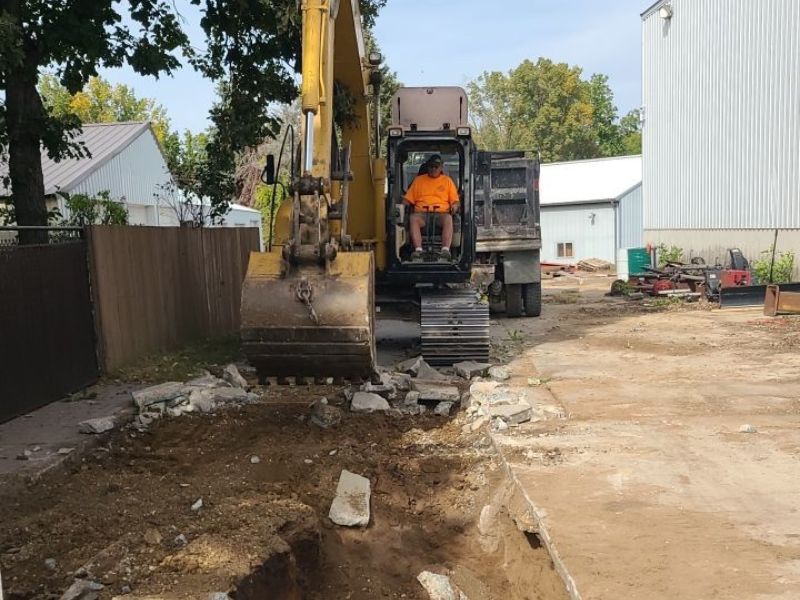
Examine images and descriptions of past projects to assess the quality and range of the contractor’s work. Look for diversity in projects that match your specific needs.
Case Studies
Detailed case studies offer in-depth insights into how the contractor approaches challenges, manages complexities, and delivers results. They can also illustrate the contractor’s problem-solving abilities and commitment to client satisfaction.
15. Value-Added Services
Some contractors offer additional services that can enhance the efficiency and outcome of your project.
Consultation Services
Services such as site evaluation, project planning, and design consultation can add significant value, ensuring that your project is well-conceived from the outset.
Post-Excavation Services
Consider contractors who offer site restoration, landscaping, or other post-excavation services to provide a comprehensive solution.
16. Cost-Benefit Analysis
While it’s essential to consider cost, it’s equally important to evaluate the value you receive.
Compare Quotes
Don’t base your decision solely on the lowest quote. Instead, compare the value offered, including the quality of materials, expertise, and additional services.
Long-Term Savings
A contractor who delivers quality work may save you money in the long run by preventing issues that could lead to costly repairs or modifications.
17. Availability and Scheduling
Ensuring the contractor’s availability aligns with your project timeline is crucial.
Project Scheduling
Discuss the contractor’s current workload and availability. Confirm that they can commit to your project timeline and allocate sufficient resources.
Flexibility
Life is unpredictable, and project timelines can shift. A contractor who demonstrates flexibility can better accommodate changes or unexpected delays.
18. Green Thumb: Emphasizing Landscaping Post-Excavation
After excavation, landscaping is often the next step, and some contractors provide integrated services.
Integrated Landscaping Services
Contractors who offer landscaping services can ensure a cohesive transition from excavation to the final landscape design, maintaining project continuity.
Expertise in Soil and Plant Selection
Professionals who understand soil conditions and plant selection can add aesthetic and functional value to your project.
19. Understanding the Permitting Process
Navigating permits can be complex, but experienced contractors make it manageable.
Permitting Expertise
Experienced contractors understand the local permitting process, requirements, and timelines, helping to expedite approvals and avoid project delays.
Assistance with Documentation
They can assist in preparing and submitting necessary documentation, ensuring compliance and reducing the burden on you as the client.
20. Make an Informed Decision with the Right Contractor
Selecting the right excavation contractor is a pivotal step in your project’s success. By thoroughly evaluating these factors, you can make a choice that aligns with your project’s needs, budget, and timelines.
Are you ready to start your excavation project? Partner with a trusted excavation contractor who understands your vision and can deliver exceptional results. Contact us today for a free consultation and detailed project estimate.
Conclusion
Hiring an excavation contractor involves more than just choosing the first name that pops up online. It requires a comprehensive evaluation of the contractor’s experience, expertise, reliability, and commitment to quality and safety. By considering the factors outlined in this guide, you can navigate the selection process with confidence, ensuring that your excavation project is executed smoothly, efficiently, and to your satisfaction.
Investing time in selecting the right contractor pays dividends in the quality and success of your project. Take the first step toward a successful excavation by assessing your needs, conducting thorough research, and choosing a contractor who stands out in professionalism, capability, and dedication.