Summer brings long days, warm nights, and the perfect opportunity to enjoy your home to the fullest. However, maintaining the ideal humidity level is crucial to ensure a comfortable and healthy living environment. Proper humidity control not only enhances indoor air quality but also preserves your home’s integrity throughout the season.
In this guide, we’ll explore the best practices to balance moisture levels effectively, ensuring your home remains a sanctuary all summer long.
Why Humidity Matters in Your Home
Understanding the importance of humidity is the first step toward optimizing your indoor environment. Humidity refers to the amount of moisture in the air, and maintaining it at ideal levels can significantly impact your health, comfort, and the longevity of your home.
Health Benefits
- Respiratory Comfort: Proper humidity levels reduce the likelihood of respiratory issues such as asthma and allergies.
- Skin Health: Balanced humidity prevents dry skin and irritation, keeping you and your family comfortable.
- Sleep Quality: Comfortable humidity levels contribute to better sleep by creating an optimal sleeping environment.
Home Preservation
- Prevents Mold Growth: High humidity can lead to mold and mildew, which damage structures and furnishings.
- Protects Furniture and Electronics: Excess moisture or dryness can warp wood, damage electronics, and degrade materials.
- Energy Efficiency: Proper humidity can make your home feel warmer or cooler without overworking your HVAC system, leading to energy savings.
Understanding Ideal Humidity Levels
Maintaining the right balance is key. Here’s what you need to know about ideal humidity levels during the summer months.
Optimal Humidity Range
- General Recommendation: 40-60% relative humidity is considered ideal for most homes in the summer.
- Comfort and Health: This range helps prevent the growth of mold, reduces dust mites, and ensures that the air feels neither too dry nor too sticky.
- Energy Efficiency: Staying within this range can also make your cooling systems more effective, reducing energy consumption.
Measuring Humidity
- Hygrometers: Invest in a hygrometer to monitor indoor humidity levels accurately.
- Smart Devices: Modern smart thermostats often include humidity sensors, providing real-time data and alerts.
Balancing Humidity Levels
Achieving and maintaining the ideal humidity requires a combination of strategies. Here’s how you can balance moisture effectively in your home.
Using Humidifiers and Dehumidifiers
- Humidifiers: Useful during periods of low humidity, especially in air-conditioned homes where the air can become dry.
- Dehumidifiers: Essential during high humidity periods to remove excess moisture from the air.
Tips:
- Choose the Right Size: Select devices appropriate for the size of the rooms you wish to manage.
- Regular Maintenance: Clean and maintain your humidifiers and dehumidifiers to prevent mold and bacteria buildup.
Ventilation
Proper ventilation is crucial in controlling indoor humidity.
- Exhaust Fans: Use exhaust fans in kitchens and bathrooms to remove excess moisture generated by cooking and showers.
- Window Ventilation: Open windows during cooler parts of the day to allow fresh air circulation.
- Attic and Basement Ventilation: Ensure these areas are well-ventilated to prevent moisture accumulation.
Air Conditioning
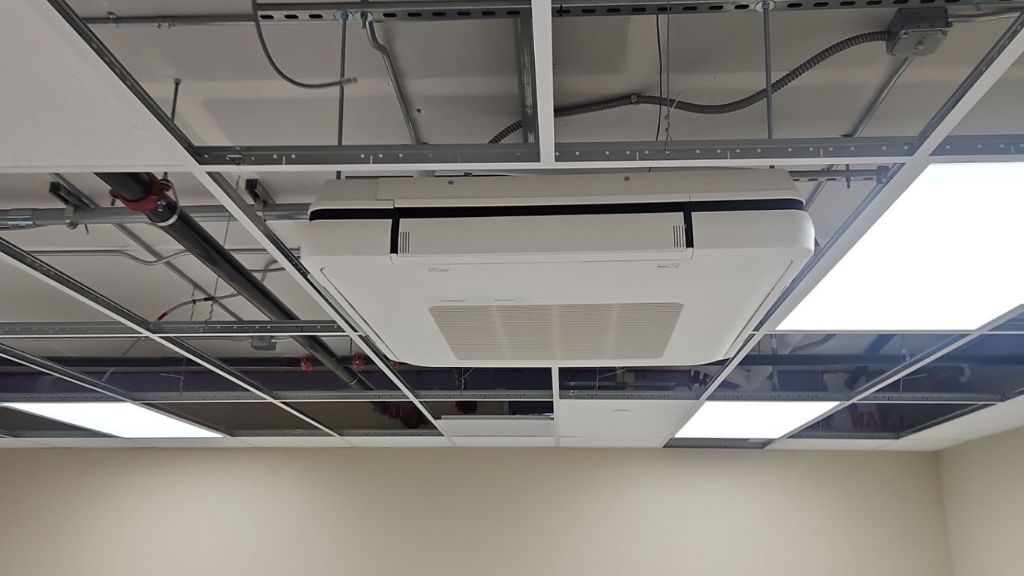
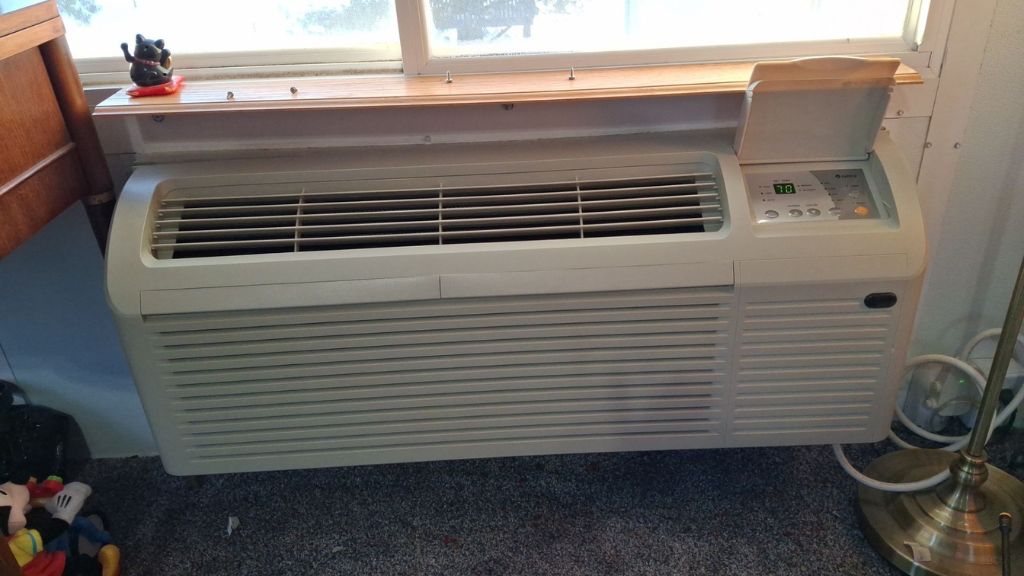
Your air conditioner plays a significant role in managing indoor humidity.
- Regular Maintenance: Clean or replace filters regularly to ensure efficient operation.
- Proper Sizing: Ensure your AC unit is appropriately sized for your home to effectively control humidity without overworking the system.
- Use of Thermostat Settings: Utilize humidity control settings if available, to maintain optimal moisture levels.
Natural Methods
Incorporate natural strategies to help regulate humidity.
- Houseplants: Certain plants can help absorb excess moisture and improve air quality.
- Drying Clothes Outdoors: Avoid using indoor drying racks, which can increase indoor humidity.
- Seal Leaks: Check for and seal any leaks around windows, doors, and other entry points to prevent moist air from entering.
Signs of Improper Humidity Levels
Recognizing the signs of too much or too little humidity can help you take timely action to restore balance.
High Humidity Signs
- Condensation on Windows: Persistent moisture buildup on glass surfaces.
- Musty Odors: Indicative of mold and mildew growth.
- Warped Wood: Furniture or flooring showing signs of warping or swelling.
- Increased Allergy Symptoms: Higher pollen and dust mite concentrations.
Low Humidity Signs
- Dry Skin and Irritation: Experiencing dry or itchy skin.
- Static Electricity: Frequent static shocks or crackling from electronic devices.
- Cracked Paint or Wood: Materials showing signs of drying and cracking.
- Respiratory Discomfort: Feeling of dryness in the throat or nasal passages.
Best Practices for Maintaining Ideal Humidity
Implement these best practices to ensure your home enjoys the perfect humidity balance all summer long.
Regular Monitoring
- Daily Checks: Keep an eye on humidity levels using a hygrometer to make adjustments as needed.
- Seasonal Adjustments: Adjust your humidity control strategies based on seasonal changes and weather patterns.
Efficient Use of Appliances
- Smart Thermostats: Utilize smart thermostats that can automatically adjust humidity levels based on your preferences and environmental conditions.
- Energy-Efficient Devices: Invest in energy-efficient humidifiers and dehumidifiers to reduce energy consumption and costs.
Insulation and Weatherproofing
- Proper Insulation: Well-insulated homes retain moisture better and are less susceptible to extreme humidity fluctuations.
- Weatherstripping: Seal gaps and cracks around windows and doors to prevent humidity from entering or escaping.
Routine Maintenance
- HVAC Systems: Schedule regular maintenance for your heating, ventilation, and air conditioning systems to ensure they operate efficiently.
- Plumbing Inspections: Check for leaks and repair any issues promptly to prevent moisture buildup.
Enhancing Indoor Air Quality
Maintaining ideal humidity is just one aspect of enhancing your home’s indoor air quality. Here are additional tips to create a healthier living environment.
Air Purification
- HEPA Filters: Use air purifiers with HEPA filters to remove allergens and pollutants from the air.
- Natural Ventilation: Promote natural airflow by strategically opening windows and doors when weather permits.
Reducing Pollutants
- Avoid VOCs: Minimize the use of products that emit volatile organic compounds, such as certain paints and cleaning agents.
- Regular Cleaning: Keep your home clean to reduce dust, pet dander, and other allergens.
Controlling Humidity Sources
- Cooking and Bathing: Use lids on pots and turn on exhaust fans to minimize steam and moisture.
- Houseplants: Choose moisture-loving plants that can help regulate humidity without contributing to excessive moisture levels.
Preserving Your Home’s Integrity
Beyond comfort and health, proper humidity control plays a critical role in preserving your home’s structural integrity.
Protecting Structural Elements
- Wood Structures: Prevent wood from warping, cracking, or rotting by maintaining balanced humidity levels.
- Concrete and Masonry: Reduce the risk of cracks and structural damage caused by excessive moisture or dryness.
- Insulation Materials: Protect insulation from moisture to maintain its effectiveness and prevent issues like mold growth.
Caring for Furnishings and Electronics
- Furniture Maintenance: Prevent warping and cracking of wooden furniture by keeping humidity within the recommended range.
- Electronics Care: Protect electronic devices from moisture-related damage, which can lead to malfunctions and shorten their lifespan.
- Artwork Preservation: Ensure that paintings, photographs, and other artworks are stored in environments with stable humidity to prevent deterioration.
Choosing the Right Humidity Control Solutions
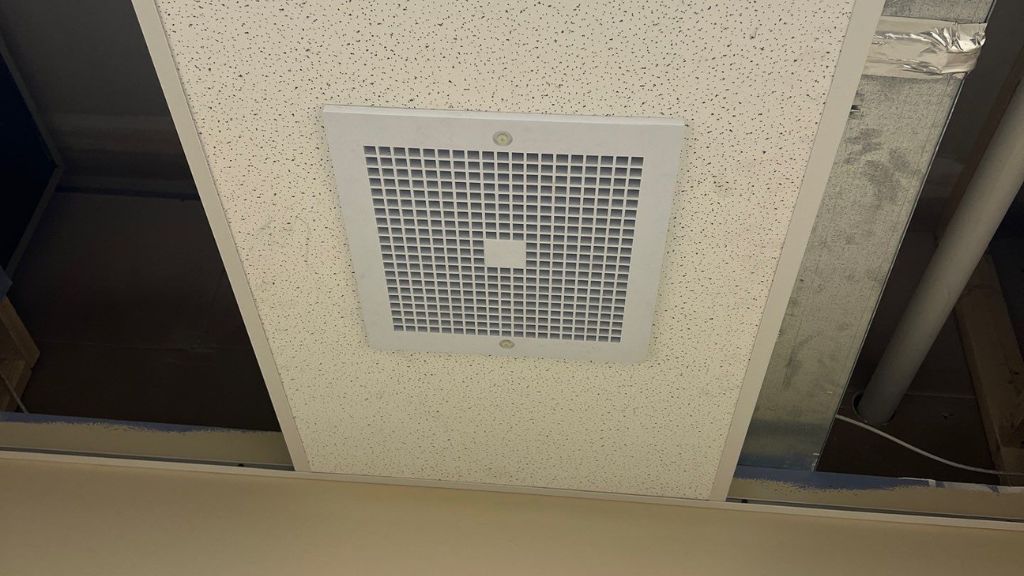
Selecting the appropriate tools and services is essential for maintaining ideal humidity levels.
Professional Services
- HVAC Installation and Maintenance: Seek professional assistance for installing and maintaining heating, ventilation, and air conditioning systems that regulate humidity.
- Dehumidifier Installation: Professional installation ensures that dehumidifiers operate efficiently and effectively.
- Home Inspections: Regular inspections can identify and address potential humidity-related issues before they escalate.
DIY Solutions
- Portable Humidifiers and Dehumidifiers: Ideal for single rooms or temporary use, offering flexibility in managing humidity levels.
- Humidity Control Products: Utilize moisture-absorbing products like desiccants in areas prone to high humidity.
- Smart Home Integration: Incorporate smart devices that automate humidity control based on real-time data and user preferences.
Energy Efficiency and Cost Savings
Effective humidity control can lead to significant energy savings and reduce your utility bills.
Efficient HVAC Systems
- Proper Sizing: Ensure your HVAC system is appropriately sized for your home to avoid overworking and excessive energy use.
- Regular Maintenance: Well-maintained systems operate more efficiently, consuming less energy and lasting longer.
- Programmable Thermostats: Use programmable or smart thermostats to optimize heating and cooling based on occupancy and time of day.
Reducing Energy Consumption
- Seal and Insulate: Proper sealing and insulation reduce the workload on your HVAC system, leading to lower energy usage.
- Energy-Efficient Appliances: Invest in energy-efficient humidifiers, dehumidifiers, and air conditioners to minimize energy consumption.
- Behavioral Adjustments: Simple changes, such as using fans to circulate air, can complement your HVAC system and enhance overall efficiency.
Frequently Asked Questions
What is the ideal humidity level for my home in summer?
The recommended humidity range for most homes during summer is between 40-60% relative humidity. This range helps maintain comfort, reduce mold growth, and ensure energy efficiency.
How can I measure the humidity levels in my home?
You can measure indoor humidity levels using a hygrometer, which is an affordable and easy-to-use device. Many modern thermostats also come with built-in humidity sensors that provide real-time data.
What are the signs of high humidity in my home?
Signs of high humidity include condensation on windows, musty odors, warped wood furniture or flooring, and increased allergy symptoms. These indicate that moisture levels may be too high, necessitating the use of a dehumidifier or improved ventilation.
How do humidifiers and dehumidifiers work?
Humidifiers add moisture to the air to increase humidity levels, which is beneficial during dry periods. Dehumidifiers remove excess moisture from the air, helping to reduce humidity levels during overly damp conditions. Both devices play a crucial role in maintaining a balanced indoor environment.
Can plants help control humidity levels?
Yes, certain houseplants can help regulate humidity by absorbing excess moisture from the air. Plants like peace lilies, ferns, and spider plants are excellent choices for naturally managing indoor humidity while also improving air quality.
Should I use a humidifier in my air-conditioned home?
Using a humidifier in an air-conditioned home can help prevent the air from becoming too dry, which can cause discomfort and health issues. However, it’s essential to monitor humidity levels to avoid excessive moisture buildup, which can lead to mold growth and other problems.
Take Control of Your Home’s Humidity Today
Maintaining the ideal humidity level in your home during summer is essential for comfort, health, and preserving your home’s integrity. By implementing the best practices outlined in this guide, you can achieve a balanced and pleasant indoor environment all season long.
Ready to Enhance Your Indoor Air Quality?
Our team of experts is here to help you optimize your home’s humidity levels. Whether you need professional installation of humidifiers and dehumidifiers, HVAC maintenance, or home inspections, we’ve got you covered.
Contact us today to schedule a consultation and take the first step toward a healthier, more comfortable home this summer!
Final Thoughts
Balancing humidity is a critical component of maintaining a healthy and comfortable home, especially during the hot summer months. By understanding the importance of proper humidity levels, recognizing the signs of imbalance, and implementing effective solutions, you can ensure that your living environment remains pleasant and safe for you and your family. Embrace these practices, and let us help you create a summer haven that stands the test of time.