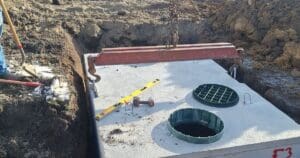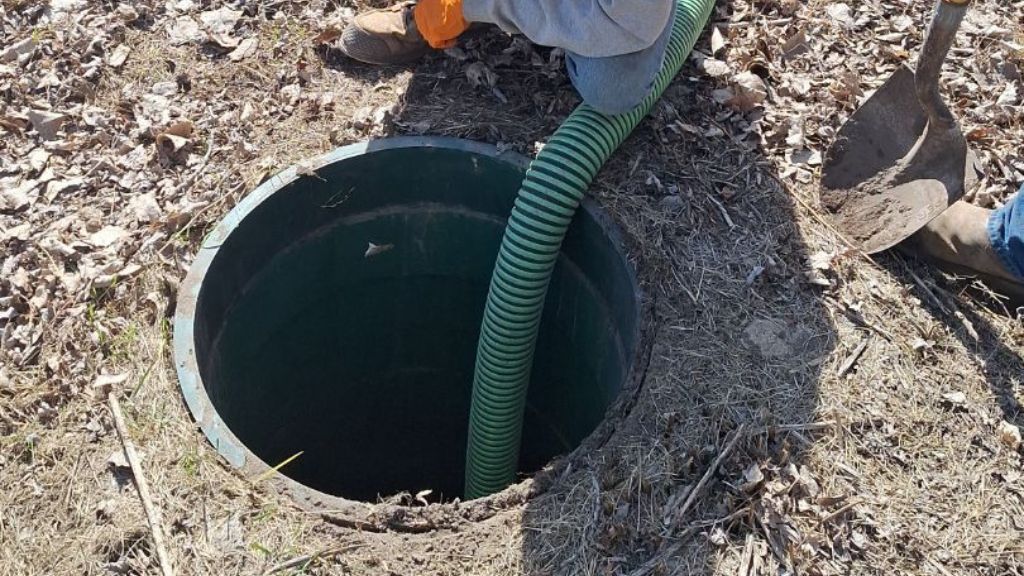
Understanding the proper placement of a septic tank is crucial for maintaining the integrity of your home’s plumbing system and ensuring the safety of your environment. If you’re contemplating installing a septic system or need to assess your current setup, knowing how close a septic tank can be to a house is essential.
This comprehensive guide will walk you through the guidelines, considerations, and best practices for septic tank placement, ensuring your installation is both safe and compliant with local regulations.
Why Septic Tank Placement Matters
Proper septic tank placement is not just a matter of regulatory compliance—it plays a significant role in the overall functionality and longevity of your septic system. Incorrect placement can lead to a host of problems, including:
- System Failures: Proximity issues can cause overflow, backups, or leaks.
- Health Hazards: Contaminants can seep into your home’s water supply or nearby wells.
- Environmental Damage: Improper placement can harm local ecosystems, affecting vegetation and wildlife.
By adhering to recommended distance guidelines, you not only protect your property but also contribute to the well-being of your community and the environment.
Standard Distance Guidelines
When planning the installation of a septic tank, there are standard distances that must be maintained to ensure safety and efficiency. These guidelines can vary based on local regulations, soil conditions, and the type of septic system being used.
General Guidelines
From the House:
- Minimum Distance: • Typically, a septic tank should be located at least 10 feet away from your house. This distance helps prevent structural damage to your home from potential leaks or system failures.
- Optimal Distance: • For better efficiency and safety, many experts recommend placing the septic tank 20 to 30 feet away from your home. This additional space allows for easier maintenance and reduces the risk of contamination.
From Property Lines:
- Minimum Distance: • Maintain a minimum distance of 25 to 50 feet from property lines. This ensures that septic system components do not interfere with neighboring properties.
From Water Sources:
- Wells and Water Bodies: • Septic tanks should be at least 50 feet away from wells and 100 feet from water bodies like lakes, rivers, or streams. This prevents contamination of drinking water and preserves local water ecosystems.
From Other Structures:
- Buildings and Fences: Maintain a distance of at least 10 feet from other buildings and ensure that access points are clear for maintenance.
- Trees and Shrubs: Keep septic tanks away from large trees and shrubs with invasive root systems that could damage the tank or drain field.
Factors Influencing Septic Tank Placement
Several factors can influence the appropriate placement of a septic tank. Understanding these can help you make informed decisions tailored to your specific property needs.
Soil Type and Drainage
The type of soil on your property affects how well your septic system will function. Sandy or well-draining soils are ideal, as they allow wastewater to disperse effectively. In contrast, clay-heavy or rocky soils can impede drainage, necessitating greater distances from structures to prevent backups.
Topography
The slope and elevation of your land play a critical role. On sloped terrains, ensure that the septic tank and drain field are positioned to prevent runoff from backflowing into your home.
Local Climate
Areas with high water tables or frequent rainfall may require additional precautions. Elevated placement or specialized septic systems might be necessary to accommodate these conditions.
Size of the Septic System
The capacity of your septic tank is another consideration. Larger systems typically need more space for installation and maintenance, affecting how close they can be to your house.
Regulatory Compliance
Adhering to local building codes and regulations is non-negotiable when installing a septic tank. These regulations are designed to protect both your property and the surrounding environment.
Permitting Process
Before installation, obtain the necessary permits from your local health department or environmental agency. The permitting process typically involves:
- Site Evaluation: A professional assesses your property to determine suitable locations based on soil, topography, and existing structures.
- System Design: A licensed engineer designs the septic system, ensuring it meets all local requirements.
- Installation Oversight: Inspections are conducted during and after installation to verify compliance.
Zoning Laws
Be aware of local zoning laws that may dictate specific placement requirements or restrictions based on property usage and density. These laws can vary significantly between municipalities, so consulting with local authorities is essential.
Environmental Considerations
Ensure that your septic system placement does not interfere with protected environmental areas. Proper placement helps prevent pollution of water sources and maintains local biodiversity.
Best Practices for Septic Tank Placement
To achieve optimal performance and longevity of your septic system, follow these best practices:
Strategic Placement
- Central Location: Position your septic tank near the center of your property to minimize the length of piping required from various household drains.
- Accessibility: Ensure the tank is accessible for regular maintenance and inspections without disrupting your property’s landscape.
Proper Drain Field Installation
The drain field, where wastewater is dispersed into the soil, is as important as the septic tank itself. Consider the following when installing a drain field:
- Even Distribution: Design the drain field layout to promote even distribution of wastewater, preventing localized saturation.
- Buffer Zones: Maintain buffer zones around the drain field to protect against surface water infiltration and root intrusion.
- Permeability: Use materials that facilitate proper filtration and absorption, ensuring that wastewater is treated effectively by the soil.
Regular Maintenance
Routine maintenance is key to preventing septic system failures. Follow these maintenance tips:
- Scheduled Inspections: Have your septic system inspected by a professional at least once a year.
- Tank Pumping: Pump the septic tank every 3 to 5 years to remove accumulated solids and prevent clogging.
- Waste Management: Avoid flushing non-biodegradable items, grease, and harsh chemicals that can disrupt the system’s natural processes.
Landscaping Considerations
The surrounding landscape can impact septic system performance. Implement landscaping strategies that support septic health:
- Grass Cover: Maintain grass over the drain field to help absorb moisture and prevent erosion.
- Root Barriers: Install root barriers around the septic tank and drain field to protect against root intrusion from trees and shrubs.
- Water Diversion: Ensure that landscape grading directs runoff away from the septic system to prevent waterlogging.
Common Septic Tank Placement Mistakes
Avoiding common placement mistakes can save you from costly repairs and environmental issues down the line. Here are some pitfalls to watch out for:
Insufficient Distance from Structures
Placing the septic tank too close to your house can lead to:
- Structural Damage: Leaks can weaken the foundation and walls of your home.
- Health Risks: Contaminants may find their way into your living spaces, posing health hazards.
Ignoring Soil and Drainage Needs
Failing to consider soil type and drainage can cause:
- System Overload: Poorly draining soils can lead to backups and system failures.
- Environmental Contamination: Inadequate soil filtration can result in untreated wastewater reaching groundwater sources.
Poor Accessibility
A septic tank that is difficult to access complicates maintenance and repairs, increasing the risk of prolonged system issues.
Neglecting Local Regulations
Overlooking local codes and regulations can lead to:
- Fines and Penalties: Non-compliance may result in legal repercussions.
- System Inefficiency: Unauthorized installations may not meet safety and functionality standards.
When to Consult a Professional
While some homeowners may consider DIY septic system installations, it’s generally advisable to consult with professionals for the following reasons:
- Expertise: Professionals have the knowledge to assess your property accurately and recommend the best solutions.
- Regulatory Compliance: They ensure that your system meets all local codes and regulations.
- Long-Term Reliability: Proper installation by experts reduces the likelihood of future problems and extends the system’s lifespan.
Finding a Reliable Septic Service Provider
When choosing a septic service company, consider the following:
- Licensing and Certification: Ensure the company is licensed and certified to perform septic installations in your area.
- Experience: Look for providers with a proven track record and extensive experience in septic system installations.
- Reputation: Check reviews and ask for references to gauge the company’s reliability and quality of work.
- Comprehensive Services: Opt for companies that offer a full range of services, including installation, maintenance, and repairs.
Cost Considerations
The cost of installing a septic tank varies based on several factors, including system type, property size, and local labor rates. Understanding these costs can help you budget effectively.
Factors Influencing Cost
- System Type: Conventional gravity-fed systems are generally less expensive than advanced treatment systems.
- Tank Size: Larger tanks required for bigger households or higher water usage will increase costs.
- Soil Conditions: Challenging soil conditions may necessitate additional excavation or specialized systems, driving up costs.
- Permitting Fees: Local permitting and inspection fees can add to the overall expense.
- Drain Field Size: A larger or more complex drain field will require more materials and labor.
Average Costs
On average, a standard septic tank installation can range from $3,000 to $7,000, including labor and materials. However, costs can escalate for larger or more complex systems, especially in areas with stringent regulations or poor soil conditions.
Financing and Assistance
Consider financing options or seeking assistance programs if the cost of installation is prohibitive. Some local governments and environmental agencies offer grants or low-interest loans for septic system installations, especially if you’re replacing an outdated or failing system.
Environmental Impact of Septic Systems
Properly installed and maintained septic systems have minimal environmental impact. However, when neglected, they can cause significant harm to the surrounding ecosystem.
Positive Environmental Contributions
- Natural Treatment: Septic systems rely on natural soil processes to treat wastewater, effectively reducing pollutants before they reach groundwater.
- Resource Efficiency: They operate independently, conserving water and reducing the strain on centralized sewage treatment facilities.
Potential Environmental Risks
- Groundwater Contamination: Leaks or system failures can introduce harmful bacteria and nutrients into groundwater sources.
- Surface Water Pollution: Runoff from failed systems can pollute nearby streams, lakes, and wetlands, affecting aquatic life and water quality.
- Soil Degradation: Excessive moisture from malfunctioning systems can lead to soil erosion and reduce land usability.
Maintenance Tips for Longevity
Maintaining your septic system is essential for preventing issues and extending its lifespan. Here are some practical tips:
- Regular Pumping: Schedule tank pumping every 3 to 5 years to remove accumulated solids.
- Mindful Waste Disposal: Avoid flushing non-biodegradable items, grease, and harsh chemicals.
- Conserve Water: Implement water-saving measures to reduce the load on your septic system.
- Protect the Drain Field: Keep heavy vehicles, structures, and dense vegetation away from the drain field.
- Inspect Regularly: Periodically check for signs of leaks, odors, or other issues.
Conclusion: Ensuring Safe and Efficient Septic Tank Placement
Determining how close a septic tank can be to a house involves a careful balance of adhering to guidelines, understanding your property’s unique characteristics, and committing to regular maintenance. Proper placement not only safeguards your home and health but also protects the environment and enhances the longevity of your septic system.
Ready to Install or Upgrade Your Septic System?
Whether you’re planning a new installation or considering an upgrade to your existing system, partnering with experienced professionals is the key to success. Our team at [Your Company Name] specializes in septic system installations, maintenance, and repairs, ensuring your system operates smoothly and efficiently.
Contact us today to schedule a consultation and take the first step towards a reliable and environmentally friendly septic solution for your home!