Embarking on a residential excavation project is a significant step in transforming your property, whether you’re laying the groundwork for a new home, adding a pool, or installing utility lines. Understanding the intricacies of the excavation process is crucial for homeowners to ensure that projects proceed smoothly, comply with local regulations, and ultimately achieve the desired outcome.
This comprehensive guide delves into the essential aspects of residential excavation, offering insights into the process basics, necessary permits, and what to expect before the digging begins.
Understanding Residential Excavation
Residential excavation involves the careful removal of earth to create a foundation for structures, driveways, pools, or other landscaping features. This process is foundational to many construction and landscaping projects, setting the stage for the subsequent development of your property.
The Importance of Professional Excavation
While DIY projects have their charm, excavation is a task that demands expertise and specialized equipment. Professional excavation services ensure that the job is done safely, accurately, and efficiently, minimizing risks such as soil erosion, structural instability, and unexpected delays.
The Excavation Process: Step-by-Step
Understanding the excavation process can help homeowners prepare adequately and set realistic expectations for their projects. Here’s a detailed look at each stage:
1. Initial Consultation and Site Assessment
The excavation journey begins with an initial consultation where experts assess your property. They evaluate the site’s topography, soil composition, and any existing structures or utilities that might impact the excavation.
2. Planning and Design
Based on the site assessment, the excavation team collaborates with homeowners to design a plan that aligns with their vision and complies with local building codes. This phase includes determining the excavation depth, the extent of earth removal, and any necessary support structures.
3. Obtaining Permits and Approvals
Before any digging commences, securing the appropriate permits is mandatory. Excavation projects often require approvals from local municipalities to ensure compliance with zoning laws, environmental regulations, and safety standards.
Common Permits Needed:
- Building permits
- Zoning clearances
- Environmental impact assessments
4. Preparing the Site
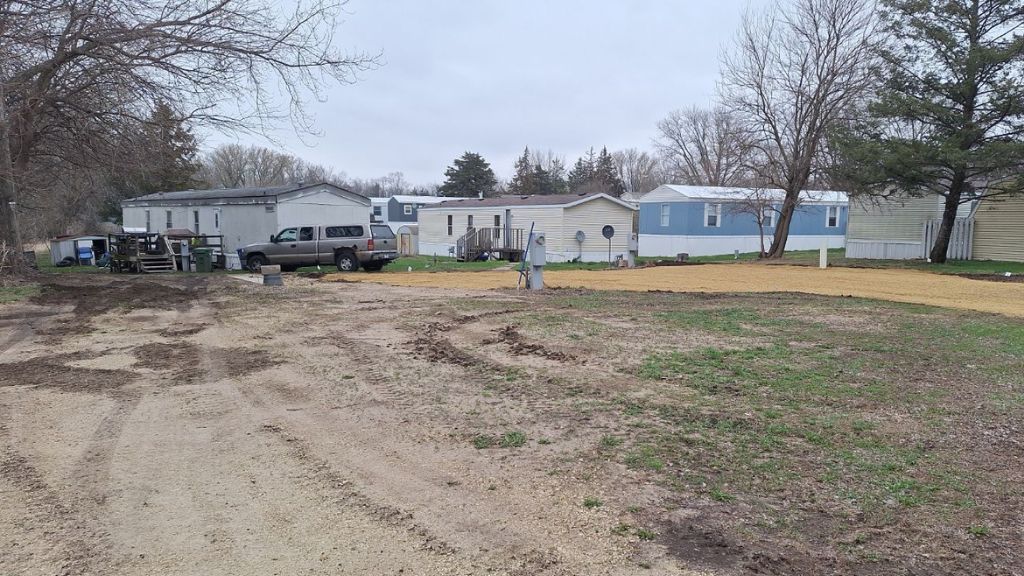
Preparing the site involves clearing the area of any obstacles such as trees, shrubs, or existing structures. Protective measures are taken to safeguard surrounding landscapes and properties from potential excavation disturbances.
5. Excavation and Earthmoving
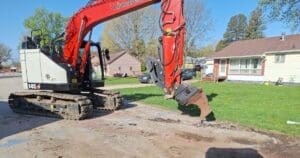
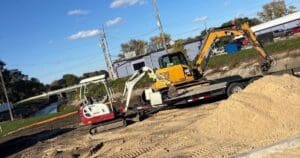
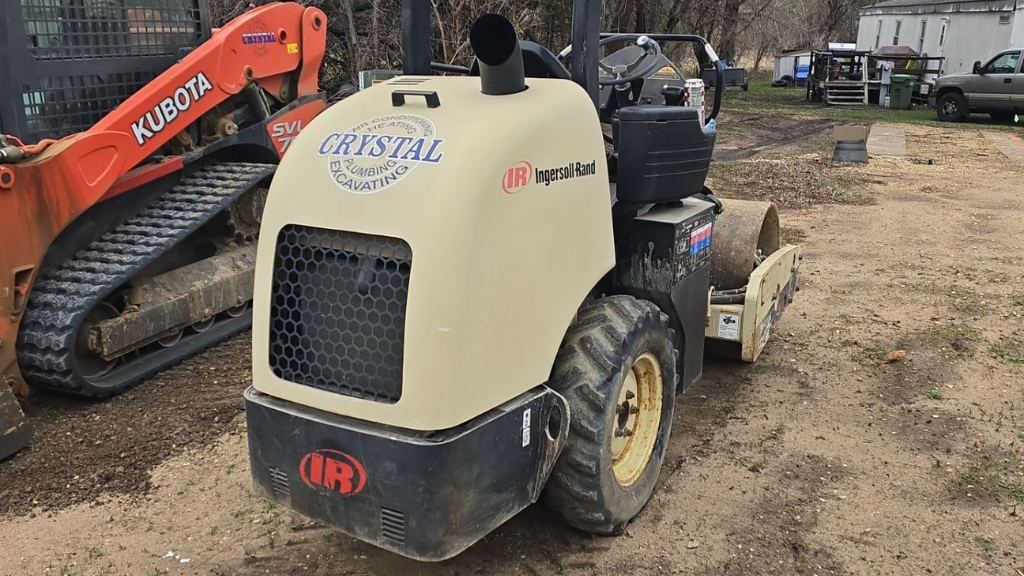
With the planning and preparation in place, the excavation team begins the digging process. Utilizing specialized machinery like excavators and bulldozers, they methodically remove earth to reach the desired depth and shape.
6. Soil Management and Disposal
Managing the excavated soil is a critical aspect. Depending on the project, the soil may be repurposed for landscaping or disposed of in accordance with environmental guidelines.
7. Site Stabilization and Backfilling
After excavation, the site may require stabilization to prevent soil erosion and ensure structural integrity. Backfilling involves refilling the excavated area with suitable materials, compacting them to secure the foundation.
8. Final Inspection and Approval
The project concludes with a thorough inspection to verify that all excavation work adheres to the approved plans and regulatory standards. Once approved, homeowners can proceed to the next phase of their construction or landscaping project.
Permits and Regulations: Navigating the Legal Landscape
Securing the necessary permits is a non-negotiable aspect of any excavation project. Navigating the legal landscape ensures that your project complies with all local laws and avoids potential fines or project delays.
Why Permits Are Necessary
Permits ensure that excavation work meets safety standards, protects the environment, and aligns with community planning. They also provide a legal framework that holds excavation teams accountable for their work quality and adherence to regulations.
How to Obtain Excavation Permits
- Research Local Requirements: Begin by understanding the specific requirements of your municipality. Requirements can vary significantly based on location and the nature of the excavation.
- Submit Application: Complete and submit the necessary application forms, providing detailed plans and specifications of your project.
- Pay Fees: Permit applications often entail fees, which vary depending on the project’s scope and local regulations.
- Await Approval: After submission, your application undergoes review. This process may involve site inspections or public hearings.
- Receive Permit: Once approved, you’ll receive the permit, allowing you to commence excavation legally.
Preparing Your Property for Excavation
Proper preparation can significantly impact the efficiency and success of your excavation project. Here’s how to get your property ready:
Clearing the Site
Remove any obstacles that might hinder excavation, such as:
- Vegetation: Trim or remove trees, shrubs, and other plants that could obstruct machinery access.
- Structures: Temporarily dismantle sheds, fences, or other structures if they interfere with excavation areas.
Protecting Utilities
Identify and protect existing utilities to prevent damage during excavation. This includes:
- Underground Pipes: Ensure that water, gas, and sewage lines are marked and safeguarded.
- Electrical Cables: Locate and protect buried electrical lines to avoid hazards.
Steps to Protect Utilities
- Hire a professional to locate all underground utilities.
- Mark the utilities clearly on the ground.
- Use protective barriers around utility lines during excavation.
Setting Up Safety Measures
Safety is paramount during excavation. Implement the following measures:
- Barricades: Erect barriers to keep unauthorized personnel away from the excavation site.
- Signage: Display clear warning signs indicating ongoing excavation work.
Choosing the Right Excavation Contractor
Selecting a reputable and experienced excavation contractor is critical to the success of your project. Here are essential factors to consider:
Experience and Expertise
Look for contractors with a proven track record in residential excavation. Experience ensures that they are familiar with common challenges and possess the skills to handle unexpected issues effectively.
Licensing and Insurance
Ensure that the contractor holds the necessary licenses and insurance. This protects you from liability in case of accidents or damages during the excavation process.
Equipment and Technology
A contractor equipped with modern machinery and technology can execute projects more efficiently and with higher precision, reducing the risk of errors and delays.
References and Reviews
Check testimonials and seek references from past clients. Positive feedback indicates reliability and quality workmanship.
Cost Factors in Residential Excavation
Understanding the cost factors involved in excavation projects helps homeowners budget effectively and avoid unexpected expenses. Several elements influence the overall cost:
Project Complexity
The complexity of the project, including the size of the excavation area and the depth required, directly impacts costs. More intricate projects demand additional labor and equipment.
Soil Conditions
Soil type and stability significantly affect excavation difficulty. Rocky or compacted soils may require specialized equipment, increasing expenses.
Accessibility
The ease of access to the excavation site influences costs. Limited access necessitates more time and effort from the excavation team, driving up prices.
Utilities and Hazards
Navigating around existing utilities and handling potential hazards requires extra care and resources, adding to the overall cost.
Location and Permits
Local permitting fees and regional labor costs can vary, influencing the total expenditure of the excavation project.
Environmental Considerations in Excavation
Sustainable excavation practices are crucial for minimizing environmental impact and ensuring the long-term health of your property.
Soil Preservation
Preserving and repurposing excavated soil for landscaping reduces waste and promotes eco-friendly practices.
Erosion Control
Implementing erosion control measures, such as retaining walls or vegetation barriers, prevents soil loss and maintains site stability.
Water Management
Proper drainage systems must be installed to manage water runoff, preventing flooding and soil erosion around your property.
Eco-Friendly Excavation Practices
- Reusing excavated soil for landscaping
- Installing erosion control barriers
- Implementing sustainable drainage systems
Common Residential Excavation Projects
Excavation is a versatile service that supports a variety of residential projects. Here are some of the most common applications:
Foundation Excavation
Creating a stable foundation is paramount for any new construction. Excavation ensures that the base is level and capable of supporting the structure’s weight.
Pool Installation
Excavating the area for a swimming pool requires precision to ensure the pool’s shape, depth, and placement meet design specifications and safety standards.
Landscaping Projects
Excavation supports extensive landscaping efforts, including creating terraces, leveling land, and installing features like ponds or stone pathways.
Utility Installations
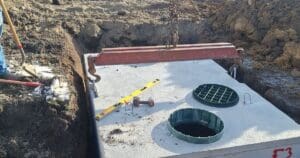
Laying down essential utilities such as water lines, electrical cables, and sewage systems involves careful excavation to integrate these systems seamlessly into your property.

Timeline of a Typical Excavation Project
Understanding the timeline helps homeowners plan their projects effectively and coordinate subsequent construction activities.
Pre-Excavation Phase (1-2 Weeks)
- Consultation and Planning: Initial discussions and site assessments.
- Permit Acquisition: Securing necessary permits from local authorities.
- Site Preparation: Clearing obstacles and setting up safety measures.
Excavation Phase (1-3 Weeks)
- Digging and Earthmoving: Actual excavation activities using specialized machinery.
- Soil Management: Handling and disposing of excavated soil appropriately.
- Site Stabilization: Ensuring the site is secure and prepared for next steps.
Post-Excavation Phase (1 Week)
- Final Inspections: Verifying that excavation meets all regulatory and project specifications.
- Preparation for Construction: Ready the site for foundation laying or other construction activities.
Potential Challenges in Excavation and How to Overcome Them
Every excavation project may encounter challenges. Being aware of these potential issues allows homeowners to address them proactively.
Unforeseen Soil Conditions
Encountering unexpected soil types can delay projects. Working with experienced contractors who can adapt plans and use appropriate equipment mitigates this risk.
Weather Delays
Adverse weather can halt excavation activities. Planning for potential weather disruptions and scheduling flexibility can help keep the project on track.
Utility Damage
Accidental damage to existing utilities can be costly and hazardous. Ensuring thorough site assessments and utilizing utility locating services prevent such incidents.
Regulatory Hurdles
Navigating complex regulations can be daunting. Partnering with knowledgeable contractors familiar with local laws ensures compliance and smooth project progression.
Benefits of Proper Excavation
Investing in professional excavation yields numerous benefits that enhance the overall success of your residential project.
Enhanced Structural Integrity
A well-excavated site provides a stable foundation, essential for the longevity and safety of your home or any other structure.
Improved Aesthetic Appeal
Proper excavation facilitates superior landscaping outcomes, contributing to your property’s beauty and value.
Increased Property Value
Quality excavation and subsequent construction can significantly boost your property’s market value, making it a wise investment.
Efficient Utility Integration
Seamless integration of utilities through precise excavation ensures functionality and reliability of essential services in your home.
Frequently Asked Questions (FAQs)
What is residential excavation?
Residential excavation involves the removal and movement of earth on a property to prepare for construction, landscaping, utility installation, or other projects.
How long does an excavation project typically take?
The duration varies based on project complexity, size, and site conditions, but most residential excavation projects complete within a few weeks.
Do I need permits for excavation?
Yes, most excavation projects require permits from local authorities to ensure compliance with zoning laws, safety standards, and environmental regulations.
How much does excavation cost?
Costs depend on factors such as project size, soil type, site accessibility, and local labor rates. Obtaining a detailed quote from a professional contractor is recommended.
Can I excavate on my own?
While small DIY excavation projects are possible, larger or more complex tasks should be handled by professionals to ensure safety, compliance, and quality results.
Conclusion
Residential excavation is a pivotal element in numerous home improvement and construction projects. By understanding the excavation process, securing necessary permits, preparing your property, and selecting the right contractor, homeowners can navigate their projects with confidence and achieve outstanding results. Embracing professional excavation services not only ensures the structural integrity and aesthetic appeal of your property but also adds significant value to your investment.