When embarking on a construction project, one of the foundational steps is excavation. The type of excavation you choose can significantly impact the success, efficiency, and safety of your project. Understanding the various excavation methods and selecting the one that aligns with your specific needs is crucial.
In this guide, we’ll explore the different types of excavation, their applications, and how to determine which one is right for your project.
Understanding Excavation
Excavation involves the process of removing earth, rock, or other materials from a site to create a foundation for construction, utility installation, or other purposes. It’s a critical phase in construction that sets the stage for all subsequent activities. Proper excavation ensures structural stability, prevents future issues, and contributes to the overall success of the project.
Why Choosing the Right Excavation Type Matters
Selecting the appropriate excavation method is essential for several reasons:
- Efficiency: The right method can save time and resources.
- Safety: Proper excavation techniques minimize risks to workers and surrounding structures.
- Cost-Effectiveness: Avoiding unnecessary expenses by choosing a method that fits the project requirements.
- Regulatory Compliance: Ensuring that excavation practices meet local laws and regulations.
Types of Excavation
There are several types of excavation, each suited to different project needs. Here’s a comprehensive overview:
1. Bulk Excavation
Bulk excavation involves the removal of large quantities of soil or rock in a single operation. This method is typically used for:
- Site Preparation: Clearing land for large-scale construction projects like highways, airports, or commercial buildings.
- Earthworks: Creating embankments or leveling the ground for uniformity.
When to Use:
- Projects requiring the movement of substantial material.
- Situations where the terrain needs significant alteration.
2. Trench Excavation
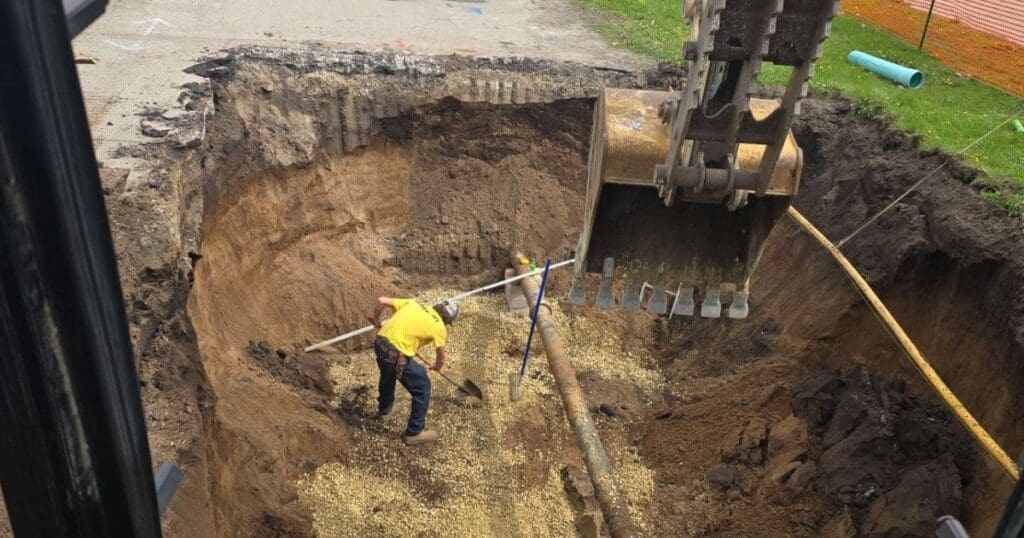
Trench excavation is the process of digging narrow, deep trenches to install utilities such as water pipes, electrical lines, or sewage systems. This method is characterized by:
- Precision: Ensuring trenches are the correct depth and width.
- Support Structures: Using shoring or shielding to prevent trench collapse.
When to Use:
- Installation or repair of underground utilities.
- Projects requiring linear excavations over long distances.
3. Basement Excavation
Basement excavation is specific to creating underground spaces for buildings. This type of excavation involves:
- Depth Management: Ensuring the excavation is deep enough to accommodate basement levels.
- Water Control: Implementing measures to prevent groundwater intrusion.
When to Use:
- Construction of residential or commercial buildings with basement levels.
- Projects requiring significant below-ground structures.
4. Mining Excavation
Mining excavation pertains to the extraction of minerals, metals, or other geological materials from the earth. This method involves:
- Specialized Equipment: Use of large machinery designed for mining operations.
- Environmental Considerations: Managing the impact on surrounding ecosystems.
When to Use:
- Extraction of resources like coal, metals, or precious stones.
- Industrial projects focused on resource recovery.
5. Shoring Excavation
Shoring excavation involves providing support to the sides of an excavation to prevent collapse. This method includes:
- Reinforcement Techniques: Using braces, beams, or hydraulic systems to stabilize the excavation walls.
- Safety Measures: Essential in urban areas or where the excavation is deep.
When to Use:
- Deep excavations in areas with unstable soil.
- Projects near existing structures where ground movement could cause damage.
6. Marine Excavation
Marine excavation is conducted in underwater environments, such as rivers, lakes, or coastal areas. This type involves:
- Diving Operations: Workers may need to operate underwater equipment.
- Specialized Machinery: Use of dredgers and other equipment designed for aquatic conditions.
When to Use:
- Construction of bridges, docks, or underwater pipelines.
- Environmental projects like habitat restoration or sediment removal.
Factors to Consider When Choosing an Excavation Type
Selecting the appropriate excavation method requires evaluating several factors:
- Project Scope: The size and complexity of the project.
- Soil and Rock Conditions: Understanding the composition and stability of the ground.
- Depth and Dimensions: How deep and wide the excavation needs to be.
- Environmental Impact: Assessing potential effects on the surrounding area.
- Budget Constraints: Cost implications of different excavation methods.
- Timeframe: Project deadlines and the speed at which excavation can be completed.
- Regulatory Requirements: Compliance with local laws and safety standards.
Determining Your Excavation Needs
To determine which excavation type is best suited for your project, follow these steps:
- Assess the Project Requirements: Define the purpose, size, and complexity of the excavation.
- Conduct Soil Analysis: Perform geotechnical surveys to understand soil composition and stability.
- Evaluate Site Conditions: Consider the location, accessibility, and environmental factors.
- Determine Depth and Dimensions: Calculate the necessary depth and width based on structural requirements.
- Consult with Experts: Engage with excavation professionals to get informed recommendations.
- Consider Future Implications: Think about how the excavation will affect subsequent construction phases.
Common Applications for Each Excavation Type
Understanding where each excavation type is commonly applied can help you make an informed decision:
- Bulk Excavation: Highways, airports, large commercial developments.
- Trench Excavation: Utility installations, residential subdivisions, roadway systems.
- Basement Excavation: Multi-story buildings, residential homes with basements, commercial properties.
- Mining Excavation: Mineral extraction sites, quarrying operations, oil and gas extraction.
- Shoring Excavation: Deep construction sites, urban projects, areas with unstable soil conditions.
- Marine Excavation: Bridge foundations, harbor construction, underwater pipeline installations.
Safety Considerations in Excavation
Excavation work poses significant safety risks if not managed properly. Key safety measures include:
- Proper Training: Ensuring all workers are trained in excavation safety protocols.
- Use of Protective Gear: Helmets, safety boots, gloves, and eye protection.
- Regular Inspections: Frequent checks for signs of soil instability or equipment malfunction.
- Weather Monitoring: Being aware of weather conditions that could affect excavation safety.
- Emergency Preparedness: Having plans in place for potential accidents or collapses.
Technological Advancements in Excavation
Modern excavation has benefited greatly from technological innovations, enhancing efficiency and precision:
- GPS and GIS Technologies: For precise mapping and site analysis.
- Automation and Robotics: Reducing the need for manual labor and increasing accuracy.
- Advanced Equipment: Modern machinery that is more efficient, powerful, and environmentally friendly.
- 3D Modeling Software: For planning and visualizing excavation projects before they commence.
Environmental Impact and Sustainable Excavation Practices
Excavation can have significant environmental impacts, but sustainable practices can mitigate these effects:
- Minimizing Disturbance: Carefully planning excavation to reduce disruption to local ecosystems.
- Recycling Excavated Material: Using excavated soil and rock for backfilling or other construction purposes.
- Erosion Control Measures: Implementing techniques to prevent soil erosion and sediment runoff.
- Compliance with Environmental Regulations: Ensuring all excavation activities adhere to environmental laws and guidelines.
Cost Implications of Different Excavation Types
The cost of excavation varies depending on the type and scale of the project. Key factors influencing costs include:
- Equipment and Machinery: More specialized excavation types often require advanced machinery, increasing costs.
- Labor Requirements: Certain excavation methods may demand more skilled labor, impacting expenses.
- Duration of the Project: Longer projects typically incur higher costs.
- Material Removal and Disposal: Expenses related to transporting and disposing of excavated materials.
- Permitting and Compliance: Fees associated with obtaining necessary permits and ensuring regulatory compliance.
Choosing the Right Excavation Partner
Selecting a reliable excavation contractor is as important as choosing the right excavation type. Here’s what to look for in a partner:
- Experience and Expertise: Proven track record in the specific type of excavation you require.
- Licensing and Insurance: Ensuring the contractor is properly licensed and insured for the job.
- Equipment Quality: Access to modern, well-maintained machinery.
- Safety Standards: Commitment to adhering to safety protocols and regulations.
- Customer Reviews and References: Positive feedback from previous clients indicating reliability and quality of work.
Future Trends in Excavation
The excavation industry is continually evolving, with several trends shaping its future:
- Increased Automation: Greater use of autonomous machinery to enhance precision and reduce labor costs.
- Sustainable Practices: Growing emphasis on eco-friendly excavation methods and materials.
- Digital Integration: Enhanced use of digital tools for planning, monitoring, and managing excavation projects.
- Enhanced Safety Protocols: Adoption of advanced safety technologies to protect workers and surrounding environments.
Final Thoughts
Excavation is a critical component of any construction project, laying the groundwork for successful and sustainable development. By understanding the different types of excavation and their specific applications, you can make informed decisions that align with your project’s goals, budget, and timeline. Partnering with experienced excavation professionals ensures that your project is executed with precision, safety, and efficiency in mind.
Get Started with Your Excavation Project Today
Choosing the right excavation type and partner can make all the difference in your construction project’s success. Whether you’re planning a large-scale development, installing utilities, or building a basement, our team is equipped with the expertise and tools to handle your excavation needs.
Contact us today to discuss your project requirements and receive a customized excavation plan tailored to your needs. Let’s build a solid foundation for your vision together!