Plumbing is the backbone of any home, ensuring the smooth flow of water and the effective removal of waste. Whether you’re building a new house, renovating your current space, or simply looking to understand the essentials of your home’s plumbing system, knowing the various types of plumbing is crucial. This comprehensive guide will walk you through the different types of plumbing, their installation processes, maintenance tips, and how to choose the right plumbing system for your needs.
Understanding the Basics of Plumbing
At its core, plumbing involves two primary systems: the supply system and the drainage system. The supply system delivers clean water into your home for drinking, cooking, bathing, and other uses. In contrast, the drainage system removes wastewater and sewage, ensuring that your living environment remains clean and hygienic.
Key Components of a Plumbing System
- Pipes and Fittings: These transport water throughout your home. They come in various materials, each with its own advantages and disadvantages.
- Fixtures and Appliances: These include sinks, toilets, showers, water heaters, and dishwashers, all of which rely on the plumbing system to function properly.
- Valves and Faucets: These control the flow of water, allowing you to regulate pressure and temperature.
Types of Pipe Materials
Choosing the right pipe material is fundamental to the efficiency and longevity of your plumbing system. Here’s a breakdown of the most common materials used in residential plumbing:
Copper Pipes
- Advantages: Durable, resistant to corrosion, and has a long lifespan. Copper pipes are also naturally antimicrobial.
- Disadvantages: More expensive than other materials and can be prone to bursting in extremely cold temperatures.
- Best Used For: Supply lines for water distribution.
PEX (Cross-Linked Polyethylene) Pipes
- Advantages: Flexible, easy to install with fewer fittings, resistant to freezing, and generally more affordable.
- Disadvantages: Susceptible to damage from UV light and potential chemical leaching if not properly installed.
- Best Used For: Indoor water systems, especially in areas where flexibility is required.
PVC (Polyvinyl Chloride) Pipes
- Advantages: Lightweight, easy to install, and resistant to corrosion and chemical damage.
- Disadvantages: Not suitable for hot water supply lines and can become brittle over time.
- Best Used For: Drainage systems and venting.
Galvanized Steel Pipes
- Advantages: Strong and durable with a long history of use in plumbing.
- Disadvantages: Prone to rust and corrosion, which can lead to reduced water pressure and potential leaks.
- Best Used For: Older homes, though they are increasingly being replaced by more modern materials.
Brass Pipes
- Advantages: Highly durable and resistant to corrosion.
- Disadvantages: Expensive compared to other materials.
- Best Used For: Specialty applications, including certain types of fixtures.
Plumbing Systems Explained
A comprehensive plumbing system encompasses several key subsystems, each serving a specific function to ensure optimal performance.
Supply Systems
The supply system is responsible for delivering clean water into your home. It includes:
- Cold Water Lines: Transport cold water from the main supply to various fixtures.
- Hot Water Lines: Deliver heated water, typically sourced from a water heater.
- Meter and Shutoff Valves: Control the flow of water into your home and allow for shutoff in case of emergencies.
Drainage Systems
Drainage systems remove wastewater and sewage from your home. Key components include:
- Drain Pipes: Carry waste away from fixtures to the sewer or septic system.
- Traps: Prevent sewer gases from entering the home by maintaining a water seal.
- Vent Pipes: Allow air to enter the drainage system, facilitating proper flow and preventing vacuum formation.
Venting Systems
Proper venting is essential to maintain air pressure within the drainage system, ensuring smooth water flow and preventing siphoning of traps. Vent pipes extend from the drainage system to the outside environment, typically exiting through the roof.
Installation of Plumbing Systems
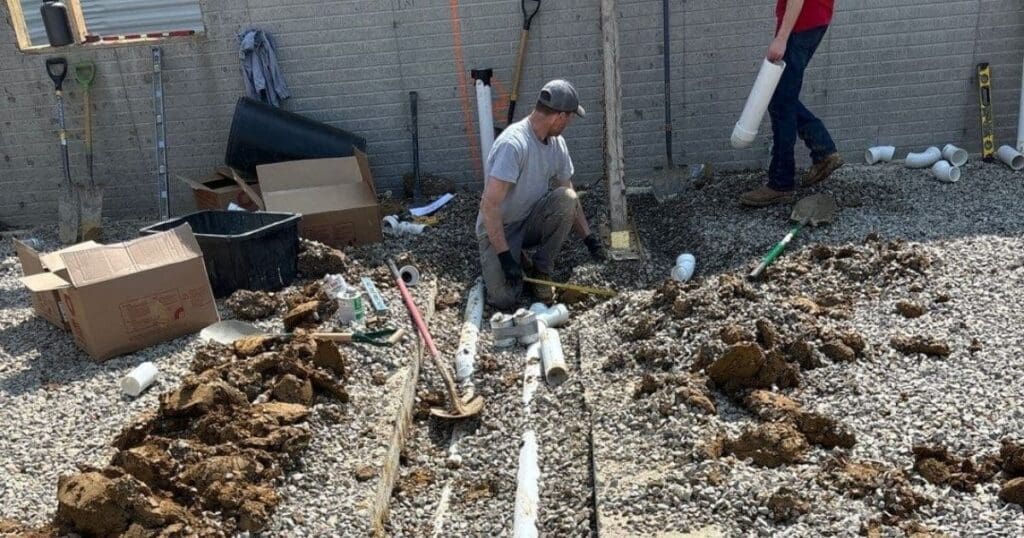
Proper installation is critical to the functionality and longevity of your plumbing system. Whether you’re undertaking a DIY project or hiring a professional plumber, understanding the installation process can help ensure success.
Planning Your Plumbing System
Before installation begins, thorough planning is essential. This involves:
- Assessing Your Needs: Determine the number of fixtures, appliances, and their locations.
- Creating a Layout: Design a plumbing layout that minimizes pipe lengths and maximizes efficiency.
- Complying with Local Codes: Ensure all installations meet local building and plumbing codes to avoid future issues.
DIY vs. Professional Installation
While some plumbing tasks can be handled by knowledgeable homeowners, others require professional expertise. Consider the following:
- DIY Advantages: Cost savings and personal satisfaction from completing the project.
- DIY Disadvantages: Potential for errors, lack of warranties, and possible code violations.
- Professional Advantages: Expertise, adherence to codes, and guarantees on work performed.
- Professional Disadvantages: Higher initial cost compared to DIY solutions.
Maintenance of Plumbing Systems
Regular maintenance is key to preventing costly repairs and extending the lifespan of your plumbing system. Here are essential maintenance practices:
Regular Inspections
- Check for leaks around fixtures, pipes, and water heaters.
- Inspect exposed pipes for signs of corrosion or damage.
Preventive Measures
- Insulate pipes in unheated areas to prevent freezing.
- Use drain guards to prevent clogs from hair, grease, and debris.
Timely Repairs
- Address minor leaks promptly to avoid water damage and mold growth.
- Replace worn-out washers and seals in faucets and valves.
Water Quality Maintenance
- Regularly flush out water heaters to remove sediment buildup.
- Consider installing water softeners if you have hard water to prevent scale formation.
Choosing the Right Plumbing System
Selecting the appropriate plumbing system for your home involves evaluating various factors to ensure it meets your specific needs and budget.
Factors to Consider
- Cost: Evaluate both initial installation costs and long-term maintenance expenses.
- Durability: Assess the lifespan and resistance to wear and tear of different pipe materials.
- Local Building Codes: Ensure the chosen system complies with local regulations and standards.
- Environmental Impact: Consider eco-friendly options that reduce water waste and energy consumption.
Pros and Cons of Different Systems
| Pipe Material | Advantages | Disadvantages |
| Copper | Durable, corrosion-resistant | Expensive, rigid |
| PEX | Flexible, easy to install | UV-sensitive, chemical concerns |
| PVC | Lightweight, cost-effective | Not for hot water, can become brittle |
| Galvanized Steel | Strong, long history | Prone to rust, heavy |
| Brass | Highly durable | Costly |
Selecting the Best System for Your Home
To choose the best plumbing system:
- Assess Your Requirements: Consider the number of fixtures, water pressure needs, and hot water usage.
- Evaluate Material Suitability: Match pipe materials to the specific requirements of your home environment.
- Consult Professionals: Seek advice from experienced plumbers to make informed decisions based on expertise and local conditions.
Latest Innovations in Plumbing
The plumbing industry has seen significant advancements, enhancing efficiency, sustainability, and user convenience.
- Smart Plumbing Systems: Integration with home automation allows for remote monitoring and control of water usage, leak detection, and maintenance alerts.
- Tankless Water Heaters: Provide on-demand hot water, reducing energy consumption and saving space.
- Eco-Friendly Fixtures: Low-flow toilets and faucets minimize water usage without compromising performance.
- Advanced Pipe Materials: Innovations in materials like PEX and CPVC offer improved flexibility and durability.
Common Plumbing Issues and Solutions
Understanding common plumbing problems can help homeowners address issues proactively.
Leaky Faucets
- Causes: Worn-out washers, seals, or corroded components.
- Solutions: Replace faulty parts or consult a plumber for persistent leaks.
Clogged Drains
- Causes: Accumulation of hair, grease, and debris.
- Solutions: Use drain cleaners or mechanical removal methods like plungers and snakes.
Low Water Pressure
- Causes: Mineral buildup, pipe corrosion, or leaks.
- Solutions: Clean aerators, inspect for leaks, or consider pipe replacement.
Running Toilets
- Causes: Faulty flapper valves, float issues, or leaky components.
- Solutions: Replace or adjust faulty parts to prevent constant water flow.
Water Heater Issues
- Causes: Sediment buildup, thermostat malfunctions, or leaks.
- Solutions: Regularly flush the heater, adjust settings, or replace if necessary.
Benefits of Professional Plumbing Services
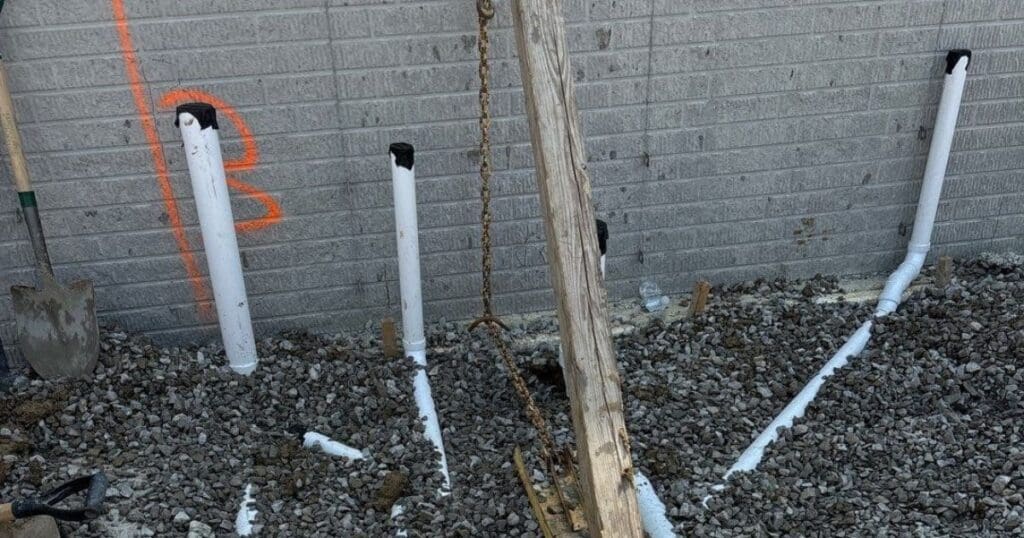
While some plumbing tasks can be managed by homeowners, professional plumbing services offer unparalleled benefits:
- Expertise and Experience: Trained plumbers have the knowledge to handle complex issues efficiently.
- Access to Advanced Tools: Professionals use specialized equipment to diagnose and fix problems accurately.
- Guaranteed Workmanship: Reputable plumbing companies provide warranties on their services, ensuring peace of mind.
- Compliance with Codes: Professionals ensure all work adheres to local building and plumbing codes, avoiding potential legal issues.
Cost Considerations for Plumbing Systems
Understanding the cost implications of different plumbing systems can help homeowners make informed decisions.
Installation Costs
- Copper Pipes: Higher installation costs due to material price and labor-intensive processes.
- PEX Pipes: Generally lower installation costs thanks to flexibility and ease of use.
- PVC Pipes: Cost-effective for drainage and venting systems but not suitable for supply lines.
Long-Term Maintenance Costs
- Copper and Brass Pipes: Lower maintenance costs due to durability.
- PEX Pipes: Minimal maintenance but sensitive to environmental factors.
- PVC and Galvanized Pipes: Potential for higher maintenance as they age, especially galvanized pipes prone to rust.
Environmental Impact of Plumbing Choices
Sustainable plumbing practices not only benefit the environment but can also lead to cost savings.
- Water-Efficient Fixtures: Installing low-flow toilets, faucets, and showerheads reduces water consumption.
- Energy-Efficient Water Heaters: Tankless and solar water heaters lower energy usage.
- Recycled Materials: Choosing pipes and fittings made from recycled or recyclable materials minimizes environmental footprint.
Frequently Asked Questions (FAQs)
1. How do I know which plumbing material is best for my home?
Consider factors like budget, local building codes, durability requirements, and the specific needs of your home’s plumbing system. Consulting with a professional plumber can provide tailored recommendations.
2. Can I replace my plumbing system myself?
While minor plumbing tasks can be DIY projects, replacing an entire plumbing system requires expertise to ensure compliance with codes and proper installation. It’s advisable to hire a professional for major plumbing work.
3. How often should I schedule plumbing maintenance?
Regular maintenance is recommended at least once a year to inspect for leaks, ensure optimal performance, and address minor issues before they escalate.
4. What are the signs of a plumbing leak?
Signs include unexplained increases in water bills, damp spots on walls or ceilings, the sound of running water when fixtures are off, and visible mold or mildew growth.
5. How can I prevent frozen pipes?
Insulate pipes in unheated areas, maintain consistent indoor temperatures during cold weather, and allow faucets to drip during extreme cold to prevent freezing.
Conclusion
Understanding the various types of plumbing and their respective systems is essential for every homeowner. From selecting the right pipe materials to ensuring proper installation and maintenance, informed decisions can lead to a more efficient, durable, and environmentally friendly plumbing system. Whether you’re tackling a DIY project or seeking professional assistance, having a comprehensive knowledge of plumbing basics will empower you to maintain a safe and comfortable home.