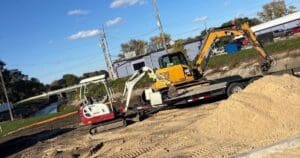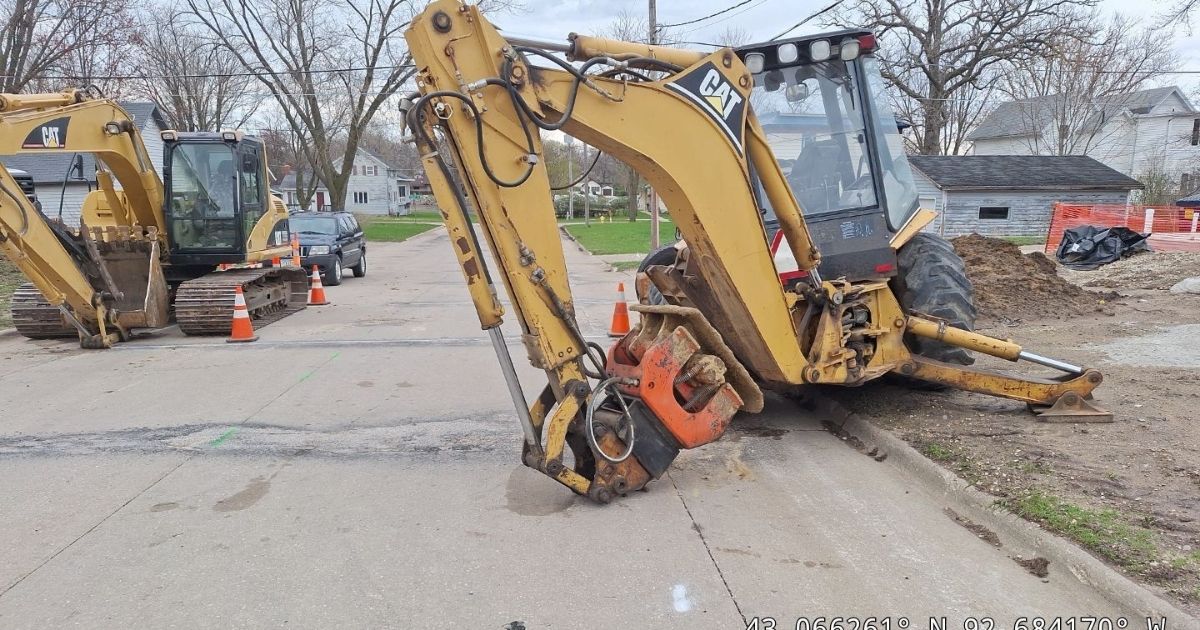
Excavation is a fundamental step in virtually every construction project. However, it is also one of the most dangerous tasks on a job site. In today’s competitive environment, companies must adhere to rigorous safety standards to prevent accidents that can result in injury, death, and significant financial loss.
This article provides an in‐depth look at excavation safety practices, exploring everything from hazard identification and regulatory compliance to advanced technology and training programs. Whether you are a contractor, project manager, or safety officer, understanding these practices is essential to ensuring secure and compliant excavation operations.
Overview of Excavation Hazards
Before beginning any excavation project, it is critical to recognize and understand the potential hazards that lurk beneath the surface. The vast majority of excavation accidents are preventable with thorough planning and a proactive approach to risk management. Some of the key hazards include:
- Cave-ins: The most common and often deadly risk associated with excavation work, cave-ins can occur if the sides of the excavation are not adequately shored.
- Falling Loads: Equipment and debris can shift unexpectedly, placing workers at risk.
- Utility Strikes: Hitting underground utilities such as gas, water, or electrical lines can cause explosions, electrocution, and service outages.
- Hazardous Atmospheres: Excavations may expose workers to toxic gases, oxygen-deficient conditions, and other dangerous substances.
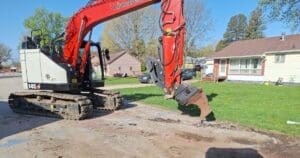
- Equipment Accidents: The operation of heavy machinery involves risks that can lead to serious injury if safety guidelines are not followed.
Understanding these hazards is the first step in developing a safety plan that not only meets regulatory standards but also protects the lives of all personnel involved.
Regulatory Standards and Best Practices
The construction industry is governed by strict safety regulations designed to minimize the risk of accidents. Regulations from bodies such as OSHA (Occupational Safety and Health Administration) set the baseline for safe excavation practices.
Key regulatory requirements include:
- Pre-excavation Utility Checks – Always identify the location of underground utilities before digging begins.
- Soil Testing and Analysis – Conduct soil tests to determine the type of soil and its stability, influencing support system design.
- Robust Shoring and Shielding – Implement systems to prevent soil collapse, based on the depth and type of excavation.
- Regular Inspections – Continuous inspection of the excavation site can identify hazards in real time.
To remain compliant with these regulations, companies should integrate the following best practices:
- Maintain Detailed Documentation: Ensure all steps—from planning to execution—are documented.
- Invest in Routine Training: Updating workers on current regulations ensures that safety practices are universally understood.
- Certified Equipment: Make sure all equipment meets safety standards and undergoes regular inspection.
- Establish a Clear Communication Plan: Effective communication channels are essential during any critical operation.
Planning and Risk Assessment
Effective excavation safety hinges on thorough planning and risk assessment. Before breaking ground, a comprehensive analysis is conducted to identify potential hazards at every level of the project. Key elements of a robust risk assessment include:
- Site Analysis – Evaluate the location for potential hazards such as nearby structures, traffic flow, and weather conditions.
- Equipment and Resource Allocation – Decide on the types of equipment required and ensuring they are suitable for the soil conditions.
- Emergency Preparedness – Develop detailed emergency response plans, including evacuation routes and first aid procedures.
- Stakeholder Coordination – Engage with utility companies, local authorities, and site workers to build consensus on safety measures.
Critical Equipment and Technology for Safe Excavation
Modern excavation projects benefit significantly from technological advancements that boost safety and efficiency. Today’s excavation safety strategies often incorporate elements such as:
- Ground Penetrating Radar (GPR) – Helps accurately map underground utilities, reducing the risk of accidental strikes.
- Advanced Shoring Systems – Designed to adapt to various soil conditions, these systems provide improved stability for excavation walls.
- Automated Monitoring Systems – These systems continuously monitor conditions such as soil movement and atmospheric quality.
- Real-Time Communication Tools – Mobile applications and wearable devices allow workers to report hazards and receive safety alerts instantly.
By integrating such tools, companies not only adhere to regulatory standards but also create an environment that actively reduces the risk of accidents.
Training and Certification Programs
No matter how advanced the equipment or technology, human judgment and experience remain critical. Regular and certified training programs ensure that all workers are familiar with both general safety procedures and project-specific guidelines. The training programs should cover:
- Hazard Recognition: Teach workers to recognize common excavation hazards and the steps needed to mitigate them.
- Emergency Response: Provide clear instructions on how to act swiftly and effectively during an emergency.
- Equipment Operation: Offer both classroom and hands-on training sessions on the safe use of heavy machinery.
- Regulatory Updates: Keep teams informed about the latest safety regulations and industry standards.
- Continuous Improvement: Emphasize the importance of ongoing training and learning based on past project experiences.
Bulletproof training programs are essential for reducing on-site risks. Many companies now incorporate simulation exercises and scenario-based simulations to ensure that all team members are prepared for any eventuality.
Implementing a Safety-First Culture
Creating a culture where safety is paramount requires commitment from every level of an organization. While procedures and equipment provide the framework for safety, the attitude and behavior of each worker bring these plans to life. Steps to cultivate a safety-first culture include:
- Leadership Commitment – Leadership must demonstrate an unwavering commitment to safety, setting the tone for the entire team.
- Open Communication – Establish clear lines of communication so that workers can report hazards without fear of repercussions.
- Continuous Feedback – Encourage workers to share their experiences and suggestions for improving safety measures.
- Recognition and Reward – Implement programs to recognize individuals and teams who excel in maintaining safety standards.
Managing On-Site Hazards in Real Time
Despite thorough planning and training, unexpected hazards can still emerge during an excavation project. The key to minimizing damage is efficient on-site management and rapid response. Practices that support real-time hazard management include:
- Daily Safety Briefings – At the start of each shift, conduct meetings to review any new risks or changes on the site.
- Routine Inspections – Develop a schedule for regular inspections with a focus on known trouble spots.
- On-Site Monitoring – Utilize cameras and remote sensors to continuously observe the site conditions.
- Emergency Drills – Run frequent drills so that all team members are prepared to act immediately during unexpected scenarios.
Innovative Strategies for Preventing Utility Strikes
Utility strikes are among the most severe risks in excavation work, as they may lead to catastrophic incidents. Preventing such strikes involves a blend of technology, planning, and coordination. Key strategies include:
- Pre-Dig Utility Surveys – Use advanced technologies, such as GPR and electromagnetic locators, to map all underground utilities accurately.
- Clear Communication with Utility Providers – Engage with local utility companies early in the planning process to obtain detailed maps and advice.
- Marking and Flagging – Clearly mark all identified utility lines around the excavation site.
- Continuous Monitoring – Implement monitoring systems that can detect any shift in the surrounding environment before it results in an accident.
Effective Spill and Emergency Response Planning
Even with the highest safety standards, accidents can occur. What separates leading organizations from the rest is their preparedness for dealing with emergencies such as spills or sudden collapses. Key components of an effective emergency response plan include:
- Immediate Reporting Protocols – Establish a clear, step-by-step guide for workers to report emergencies.
- Emergency Response Teams – Designate and train specific teams responsible for immediate action, ensuring an organized response.
- First Aid and Medical Support – Equip sites with comprehensive first aid kits and establish a connection with nearby medical facilities.
- Communication Plans – Utilize a multi-channel communication strategy to keep all workers informed during an emergency.
- Post-Incident Analysis – After any incident, conduct a detailed review to identify improvement areas and update emergency plans accordingly.
Environmental Considerations in Excavation Safety
Today’s construction projects must address not only the safety of the workforce but also environmental concerns. Excavation can have a lasting impact on the ecosystem if not managed correctly. By incorporating green practices into excavation work, companies can reduce environmental footprints and comply with environmental regulations. Consider these strategies:
- Minimizing Earth Displacement – Use techniques that reduce the amount of soil that is moved or removed during the excavation.
- Proper Waste Management – Implement effective systems to manage and recycle excavation debris.
- Erosion Control Measures – Utilize barriers and other techniques to prevent soil erosion following excavation.
- Noise and Dust Control – Deploy equipment with noise reduction capabilities and implement dust suppression methods such as water sprays.
- Assessing Impact – Conduct environmental impact assessments prior to commencing the excavation to identify potential issues and mitigation strategies.
Implementing Continuous Improvement
Excavation safety is not a static discipline. It requires ongoing assessment and constant improvement. Organizations that excel in this field create mechanisms for feedback and innovative problem solving. To foster continuous improvement, consider the following measures:
- Regular Review Meetings – Schedule periodic meetings to review safety performance and discuss potential enhancements.
- Employee Feedback Systems – Implement anonymous feedback systems where workers can suggest improvements without fear of reprisal.
- Investment in New Technology – Stay updated on technological developments in excavation safety and be willing to invest in new, improved methods.
- Benchmarking – Compare your company’s safety performance with industry standards and competitors to identify growth areas.
- Training Refreshers – Provide continuous education opportunities to ensure that safety knowledge remains current.
Conclusion
Excavation safety is a multifaceted challenge that requires attention to detail, dedication, and a proactive approach from every team member. By understanding the potential hazards, adhering to strict regulatory standards, integrating advanced equipment and technology, and fostering a culture of continuous improvement, construction professionals can significantly reduce risks and prevent disasters.
If you’re ready to take your excavation safety to the next level, we’re here to help. Contact our team of experts today to discuss tailored safety solutions for your next project, request a free quotation. Your project’s safety is our priority, and we are committed to helping you achieve the highest standards in excavation safety, preventing disasters before they occur, and ensuring a secure working environment for everyone involved.