Winter is upon us, and with colder days ahead, lowering your heating bill becomes one of the top priorities for homeowners. The rising cost of energy bills combined with the need for a warm, comfortable home makes this topic more relevant than ever.
In this guide, we will discuss practical, proven strategies to reduce your heating expenses without sacrificing home comfort. From thermostat tips to insulation improvements and furnace maintenance, you’ll find expert advice designed to help you save money and energy. Read on for detailed tips and step-by-step strategies aimed at reducing your overall heating expenses.
Smart Thermostat Tips
Your thermostat plays a crucial role in managing your home’s heating efficiency. A smart thermostat not only allows you to program temperature changes based on your schedule but also helps you avoid unnecessary heating when you’re not around. Here are some important tips to ensure you are getting the most out of your thermostat:
Set a Reasonable Temperature
Maintaining a moderate temperature difference between the indoors and outdoors can significantly lower your energy consumption. Experts recommend keeping your thermostat at around 68°F (20°C) during the day when the house is occupied and lowering the temperature when you are asleep or away. This small adjustment can lead to notable energy savings over time.
Utilize Programmable Features
If your thermostat has scheduling capabilities, use them to your advantage. Set up the thermostat to lower the temperature during the hours when the house is empty or everyone is asleep, then have it warm up shortly before you return. Here’s how you can schedule for maximum efficiency:
- Weekdays: Program a lower temperature during work hours.
- Evenings: Adjust the temperature a few degrees lower while you’re settling in, then raise it slightly before dinner time.
- Weekends: Optimize your schedule based on your planned activities, ensuring energy is used only when needed.
Consider a Smart Thermostat Upgrade
Older thermostats may not be as efficient as newer, smart models. Upgrading to a smart thermostat can result in significant savings. Modern devices learn your schedule, detect occupancy, and adjust the temperature automatically to ensure maximum efficiency. Additionally, many smart thermostats provide energy usage reports that help you understand your patterns and identify opportunities to save even more.
Improve Your Home’s Insulation
Effective insulation is one of the most important features in maintaining a warm home while reducing heating costs. Poor insulation allows heat to escape, forcing your heating system to work harder to maintain a comfortable temperature. Enhancing your home’s insulation can bring about long-term energy savings and improved comfort.
Seal Windows and Doors
One of the most common sources of heat loss is around windows and doors. Simple fixes can make a big difference when it comes to energy efficiency. Consider sealing gaps and cracks with weather-stripping or caulking. This not only prevents cold air from entering your home but also stops heated air from escaping.
Upgrade Attic and Wall Insulation
The attic is a significant leakage point for heat loss. Adding insulation to your attic can maintain indoor heat during winter and lower your heating costs. If your walls are older or minimally insulated, think about adding extra insulation to keep your home warmer and reduce drafts.
Utilize Energy Efficient Windows
If your budget allows, install double or triple-pane windows designed to reduce heat loss. These windows offer improved thermal performance compared to single-pane variants and can help retain warmth during chilly months. Upgrading to energy-efficient windows is a long-term investment that can lead to substantial savings on heating bills.
Insulation Investment Considerations
Improving insulation might require some upfront investment, but the long-term benefits in terms of energy savings and increased comfort are undeniable. When planning your insulation projects, consider these steps:
- Professional audit: Hire experts to identify critical areas where your home is losing heat.
- Material selection: Choose certified insulation materials that match your home’s architecture and climate.
- Regular maintenance: Check and repair insulation as needed to ensure its performance does not degrade over time.
Furnace Maintenance Strategies
A well-maintained furnace is the heart of your heating system, affecting both its efficiency and your comfort. Regular maintenance not only extends the life of your device but also ensures it operates at maximum efficiency. Here are some strategies that will help you get the most out of your furnace:
Annual Professional Check-Ups
Schedule an annual inspection and service for your furnace. Professional technicians can clean, tune-up, and detect early warning signs of wear and tear that may affect your furnace’s efficiency. This preventative measure can save you from unexpected breakdowns and costly repairs during the peak winter season.
Change the Air Filter Regularly
The furnace’s air filter is essential for its efficient operation. A clogged filter restricts airflow, forcing the system to work harder and use more energy. To maintain optimal performance, check the filter every month during peak heating season and replace it as needed—typically every three months or as recommended by the manufacturer.
Clear the Area Around Your Furnace
Keep the furnace area free from debris, dust, and clutter. Adequate clearances ensure proper airflow and efficient operation, and make maintenance checks easier. A safe, clutter-free environment also reduces the risk of accidental damage or fire hazards.
Consider Upgrading Your Furnace
If your furnace is over 15 years old, it may be time to consider an upgrade. Modern furnaces are much more energy efficient, offering improved performance and better eco-friendly features. An energy-efficient furnace not only lowers your heating bill but also reduces your carbon footprint.
Additional Energy-Saving Strategies
While smart thermostats, better insulation, and regular furnace maintenance form the core of winter energy efficiency, there are additional tips you can follow that further reduce heating costs. Let’s explore some complementary strategies:
Utilize Curtains and Blinds
During the day, open curtains to take advantage of natural sunlight that warms your home. In the evening, close your curtains to help trap the heat inside. This simple practice can make a noticeable difference in your indoor temperature.
Install a Zoning System
If your home features several levels or rooms with varying heating needs, consider a zoning system. By creating separate temperature zones, you can direct warmth only where and when it is required. This tailored approach prevents wasting energy on unoccupied spaces and allows for customized comfort.
Manage Air Flow with Fans
Ceiling fans, when used in reverse (clockwise), can help distribute warm air that naturally rises towards the ceiling, especially in rooms with high ceilings. This redistribution of warm air can lead to improved heating efficiency, ensuring that every corner of the room stays comfortably warm.
Implement Radiant Barriers
Consider installing radiant barriers in attics and other areas to reflect heat back into rooms. Radiant barriers work by reducing radiant heat loss and can be a cost-effective supplement to traditional insulation methods.
Adopt a Proactive Maintenance Routine
Regular maintenance isn’t just for furnaces. Your entire home can benefit from a proactive approach. Whether it’s cleaning, sealing, or replacing worn-out components, maintaining your home’s infrastructure helps reduce energy waste and ensures that your heating system works efficiently.
Seasonal Preparation and Home Improvements
As winter approaches, there are a number of additional measures you can take around your home that further optimize your heating system’s performance and overall energy efficiency. Preparing your home for the winter months is both a seasonal chore and a long-term investment in comfort and energy savings.
Inspect Your Home for Drafts
Perform a simple inspection of your home during the fall to identify and seal any drafts. Areas to focus on include:
- Window frames and sills
- Doorways and exterior entry points
- Electrical outlets and baseboards leading outside
By sealing these drafts early on, you ensure that your heating system doesn’t have to compensate for unnecessary heat loss during the winter.
Prepare Your Heating System
Beyond regular maintenance, prepare your entire system for extended use during winter. This may include:
- Flushing the boiler to remove sediment build-up
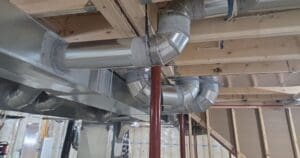
- Inspecting and cleaning ductwork throughout your home
- Testing safety features, such as carbon monoxide detectors, to ensure they are operational
Pre-winter system checks can prevent emergency repairs during the coldest times of the year and help you maintain the efficiency of your heating system.
Enhance Home Aesthetics and Efficiency
Consider making improvements that boost both the aesthetic appeal and practical efficiency of your home. Simple projects like installing new storm doors or adding decorative yet functional window insulation film can create a more cozier environment. These home improvements not only lower your heating bills but also add value to your property.
FAQs About Lowering Your Heating Bill
Often, homeowners have frequently asked questions about energy-saving methods during the winter months. Here are answers to some of the most common queries:
What is the optimal thermostat setting for winter?
Experts generally suggest keeping your thermostat around 68°F (20°C) during periods when the house is occupied. When no one is home or during overnight hours, lowering the temperature by a few degrees can save both energy and money.
How much savings can I expect from proper insulation?
While savings vary depending on the size and age of your home, well-insulated homes tend to use significantly less energy for heating. Improvements can sometimes reduce your heating costs by up to 15-20% annually, depending on environmental factors and usage patterns.
How often should I service my furnace?
It is advisable to have your furnace professionally inspected and serviced at least once a year. Routine maintenance ensures it continues to run efficiently and safely throughout the winter.
What can be done if budget constraints prevent large upgrades?
Even with budget constraints, small changes can make a big difference. Prioritize simple, cost-effective strategies such as sealing drafts, changing air filters regularly, and utilizing programmable thermostat settings. These steps improve efficiency without stretching your budget.
Final Thoughts
Every step you take toward better energy efficiency matters. Whether you are making a small change like adjusting your thermostat settings or investing in comprehensive insulation improvements, these actions contribute significantly to reducing your heating bill. The winter season is an ideal time to assess your home’s energy performance and implement changes that lead to durable improvements and savings.
We hope this guide has provided valuable insights and practical tips that you can apply immediately. With expert strategies and professional support, you can enjoy a warm, comfortable home that doesn’t break the bank. Remember, the key to success is proactive maintenance, thoughtful upgrades, and a commitment to energy efficiency.
For more guidance or to explore our full suite of services related to heating system optimization, home insulation, and energy audits, please contact us today. Together, we can make this winter warmer and more affordable while contributing to a more sustainable future.