If you’re planning a small landscaping project or a major construction venture, understanding excavation project costs is crucial for proper budgeting. Excavation is a critical part of the building process, and its price can vary widely depending on many factors. In this guide, we will walk you through what influences these costs – all the way from soil conditions to permits – so you can plan your project confidently and avoid any surprises. This friendly explanation is designed to help both homeowners and professionals get a clear picture of what to expect when budgeting for excavation work.
If you find yourself wondering how to accurately estimate your excavation expenses, contact our friendly team today to discuss your project. We are here to guide you every step of the way! Also, feel free to scroll down to view a detailed breakdown of the various factors that influence excavation prices.
Understanding Excavation Basics
Before diving into the factors that influence price, let’s take a journey through the basics of excavation work. Excavation can involve a range of activities, from removing earth and rock to preparing a building site for foundations. The work is often complex and varies based on the scale and type of project, making it essential to understand the details behind the scenes.
Key Factors That Influence Excavation Costs
1. Soil Conditions and Composition
One of the most significant factors affecting excavation costs is the type of soil you’re dealing with. The composition of the soil – whether it’s clay, sand, rock, or a mixture – largely determines how difficult it will be to excavate. Here’s what you need to know:
- Clay and silt soils: These soils can be sticky and challenging to work with, potentially resulting in increased labor and equipment wear.
- Rocky soils: When you’re dealing with rock, expect a need for specialized machinery, which can drive costs up substantially.
- Sandy soils: These types of soils are easier to move but might require careful planning to prevent shifting or erosion after excavation.
The terrain’s condition can also add unexpected costs if the soil lacks proper compaction or is highly contaminated. In these cases, additional stabilization measures or remediation efforts may be necessary, further influencing the overall cost of your project.
2. Site Accessibility
Another critical factor in determining excavation costs is how accessible your site is. If the area is hard to reach with large equipment, or if the job site is located in a tight urban space with limited maneuvering room, you might encounter higher transport and labor fees. Consider these aspects:
- Urban vs. rural: Urban settings may demand extra care due to traffic, limited space, and stricter regulations, making the work more complicated.
- Terrain obstacles: Steep slopes, trees, and buildings can create additional logistic challenges that influence cost.
If you’re finding it difficult to ensure that all machinery can access your site, it might be beneficial to consult with professionals who can help plan alternative solutions that minimize extra charges while ensuring safety and efficiency.
3. Depth and Complexity of Excavation
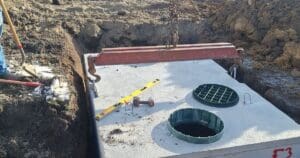
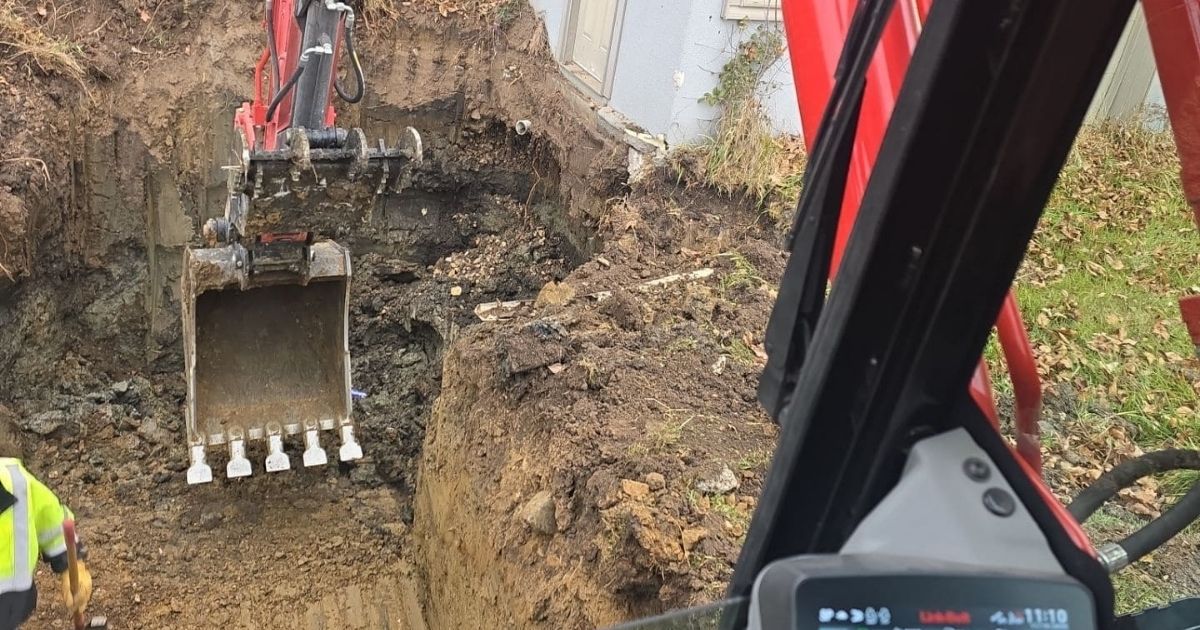
Not all excavation projects are created equal. The depth and complexity of the excavation work will naturally have a significant impact on your overall cost. For example, digging for a shallow basement or a decorative pond is very different from preparing a deep foundation for a multi-story building. Consider these points when evaluating your needs:
- Shallow excavations: Generally, these require less specialized equipment and less labor, often resulting in lower prices.
- Deep excavations: These projects may need specialized shoring and dewatering techniques to prevent cave-ins and ensure worker safety, thus increasing the overall cost.
- Complex projects: Areas with unstable soil or nearby structures might require additional engineering consultation and support work, adding layers of cost that can quickly add up.
Understanding the type of excavation required helps in planning the right strategy and budget. Sometimes it is worth seeking professional advice even if the project looks straightforward, to ensure nothing is inadvertently overlooked.
5. Permits and Regulatory Fees
When starting any excavation project, permits play a pivotal role. Regulatory permissions may be required to ensure safety and code compliance. Keep these points in mind:
- Permit complexity: Depending on your location, obtaining necessary permits may range from a simple administrative process to a lengthy review period.
- Associated fees: Permit fees vary with the project’s scale and can add a noticeable amount to your total cost if multiple approvals are needed.
- Regulatory inspections: Some projects might require follow-up inspections, and costs may be incurred if additional remediation is necessary to meet code.
Detailed planning and early consultation with local authorities can help streamline this process. This also minimizes the risk of costly delays during the construction project when permit issues arise unexpectedly.
6. Utility Considerations
Another significant cost variable is the complication of utilities. Excavation often means working around existing lines for water, gas, electricity, and telecommunications. A few things to consider include:
- Location of utilities: Knowing the exact location of underground utilities avoids accidental damage, which could lead to substantial repair costs.
- Utility relocation or protection: In some cases, you may need to temporarily reroute these services or install protective barriers around them.
- Coordination with utility companies: Planning ahead with local utility companies can sometimes help reduce unexpected costs and delays associated with moving critical infrastructure.
It’s a good idea to employ detailed site surveys that mark all utility locations before any work begins. Early collaboration with professionals can ensure the work proceeds smoothly and safely, with minimized risks of unplanned expenses.
7. Equipment and Labor Costs
Excavation is a labor- and equipment-intensive task. Therefore, understanding the pricing structure behind equipment rental, operator skills, and labor rates is essential. Here are some details that typically affect costs:
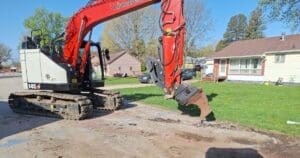
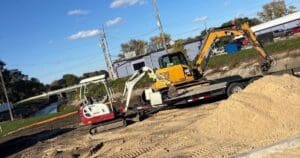
- Heavy machinery requirements: Excavators, bulldozers, backhoes, and other specialized tools are required depending on the project scale. The larger the equipment, the more it costs to rent and operate.
- Fuel and maintenance: Operating heavy machinery consumes significant amounts of fuel, and regular maintenance is necessary, which can contribute to overall expenses.
- Skilled labor: Excavation work requires experienced operators who are trained to handle heavy equipment safely. Labor costs will also include expenses for support staff, such as surveyors and safety officers.
Budgeting for these expenses is crucial. In many instances, the overall project cost can rise quickly due to the combined charges for machinery, transportation of equipment, and labor. Therefore, getting several quotes and verifying references from trusted service providers can help ensure you get the best value for your investment.
Additional Considerations for Accurate Budgeting
Budgeting for an excavation project involves much more than simply estimating the hourly rate of machinery use. While the primary factors we’ve discussed form the core of price determination, here are some additional considerations that can have a significant impact on achieving an accurate budget:
- Site Surveys: Professional site surveys are essential to map the land and identify potential obstacles such as unexpected rock formations or archaeological concerns that might delay the project.
- Unexpected Conditions: Always include a contingency budget for unforeseen circumstances, which could include inclement weather, unexpected subsurface conditions, or water infiltration issues.
- Environmental Considerations: Depending on the location, there may be environmental concerns such as endangered species or protected habitats that require special permits or modified work methods.
Planning for these variables at an early stage can mean the difference between a smooth excavation and one with multiple cost overruns. Being proactive with your research and consultations with engineering professionals can often save both time and money.
How to Save on Excavation Costs
Savings in excavation do not necessarily mean you have to cut corners on quality or safety. Instead, consider these tips to optimize both the budget and the process:
- Conduct Thorough Site Evaluations: Early surveys and evaluations can uncover potential issues before work begins, allowing you to address complications in the planning phase rather than during construction.
- Plan for Seasonal Effects: Weather conditions like heavy rainfall can delay the project and thus increase costs. Scheduling the excavation in a season with favorable weather can help mitigate such risks.
- Choose the Right Contractor: Look for contractors with a strong reputation in the field. An experienced team can often spot issues early, manage risks better, and help prevent cost overruns.
- Bundle Services: If your project requires multiple services (for example, excavation followed by foundation work), negotiate with contractors who provide bundled services for a reduced rate.
Keeping these strategies in mind will not only maintain the quality and safety of your project but also ensure that your financial investment is optimized. Remember, the goal is to achieve a balanced plan that doesn’t compromise on quality while also staying within budget.
Frequently Asked Questions
We understand that excavation projects can raise a number of questions regarding costs and processes. Here are a few frequently asked questions that may help clarify common concerns:
What is the Average Cost of Excavation?
Costs will vary depending on the type of work, but many projects fall within a range influenced by soil condition, accessibility, and project depth.
How Long Does the Excavation Process Typically Take?
Timeline factors depend heavily on project complexity, permits, equipment mobilization, and weather conditions.
Are There Hidden Costs I Should be Aware of?
Many unexpected expenses—such as dealing with unforeseen soil conditions or additional permit fees—can arise. A detailed cost breakdown and contingency fund are highly recommended to cover these issues.
Can You Help Me Determine the Right Time of Year to Start My Excavation Project?
Yes, our team can advise on the optimal scheduling of your project by considering weather patterns and local conditions, thereby avoiding delays and minimizing costs.
Final Thoughts
Excavation is the groundwork upon which projects are built – both literally and metaphorically. A clear grasp of all cost factors not only ensures that your project stays within budget but also means you can transition more smoothly into subsequent phases of construction. Whether you are dealing with complex soil situations or navigating local building codes, planning, transparency, and expert collaboration are the keys to success.
We hope this guide has shed light on the complexities and considerations involved in excavation project costs. Remember, every project is unique, and the best way to achieve a successful excavation is to partner with knowledgeable professionals who understand all the nuances of cost management. When you’re ready to take the next step, our team is just a click away. Together, we can make sure your excavation project starts on the right foot.
For more help or to begin planning your excavation project now, please contact us and let’s turn your vision into a reality through meticulous planning and expert execution.