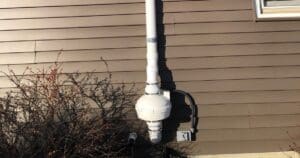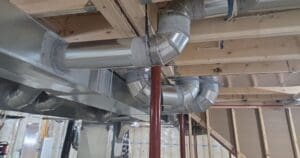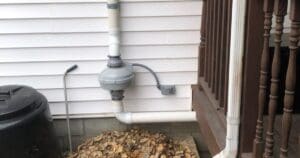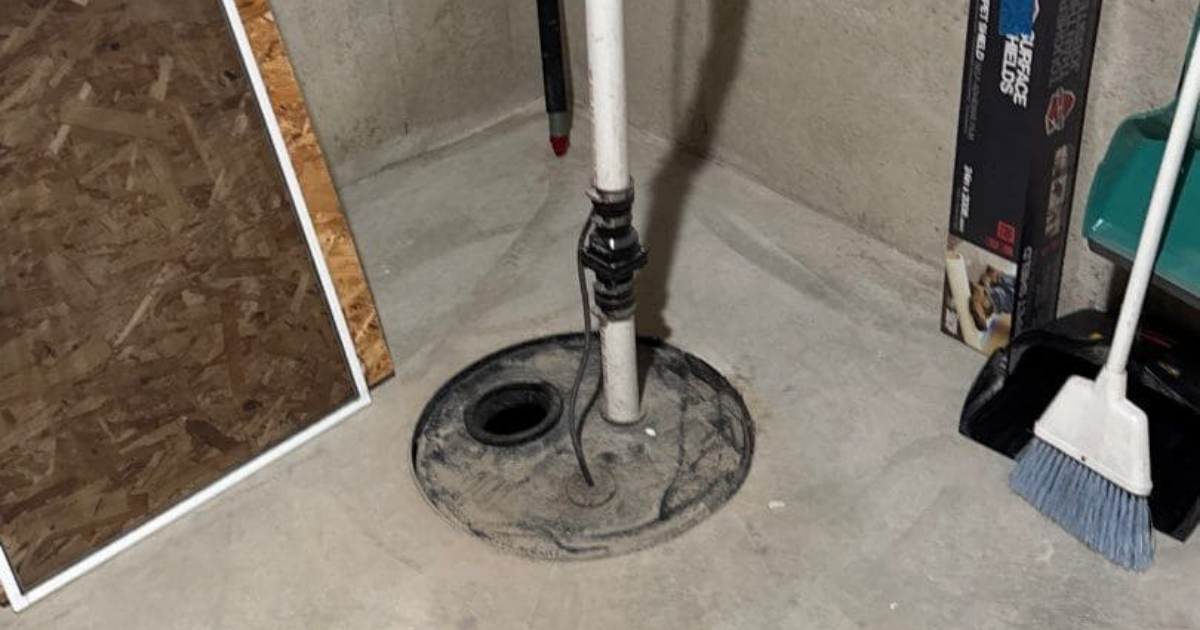
Radon mitigation is a critical investment in your home’s safety, especially in Iowa where radon levels can be a serious concern. In this comprehensive guide, we will explore the costs associated with radon mitigation, outline the factors that influence pricing, and provide expert advice on choosing the right contractor. Protecting your home from radon is not only about adhering to regulations—it is about ensuring the long-term health and well-being of your family.
Factors Affecting Radon Mitigation Costs in Iowa
The cost of radon mitigation in Iowa is not fixed—it can vary depending on several factors that influence both the complexity and the pricing of the project. Below are some primary factors that can affect your overall cost:
- Home Size and Layout: Larger homes or homes with complex designs and basements may require additional equipment and labor.
- Radon Levels: Higher concentrations of radon may necessitate more robust and sophisticated mitigation systems to ensure effective reduction.
- Foundation Type: Homes with basements, crawl spaces, or slab-on-grade foundations require different mitigation approaches, which can affect pricing.
- Installation Complexity: The method of installation, such as creating entry points for radon suction pipes in challenging locations, also plays a role in cost.
- Permitting and Inspection Fees: Some regions require permits and post-installation inspections to ensure the mitigation system complies with local regulations.
- Labor and Material Costs: Local market conditions, including labor availability and the cost of specialized materials, can influence overall prices.
Understanding these factors can help you obtain more accurate estimates from radon mitigation contractors and avoid unexpected expense surprises. It is important to discuss these specifics with your chosen contractor during your consultation.
Radon Mitigation Cost Estimates in Iowa
While pricing can vary depending on individual circumstances, here are some general cost ranges that you might expect when considering radon mitigation services in Iowa:
- Basic Mitigation System: For a standard home with average radon levels, the cost may range from $800 to $1,500. This typically includes a basic setup appropriate for smaller homes or those with less severe radon problems.
- Upgraded or Complex Systems: Homes with higher radon levels or complex architectures might see costs ranging from $1,500 to $3,000. This range covers additional labor and more robust mitigation setups.
- Combination Systems: In cases where multiple mitigation systems are required (for example, addressing both radon and moisture issues), costs can exceed $3,000. Such installations may utilize advanced technology and multiple points of intervention.
It is essential to remember that these are just estimated ranges, and the actual cost will depend on your home’s specific needs. A high-quality contractor will provide a detailed, transparent quote after a thorough inspection of your property.
Detailed Breakdown of Radon Mitigation Costs
For a more detailed understanding of cost components, consider the following breakdown:
- Initial Testing Costs: Professional radon testing can vary from $100 to $300 depending on the complexity of your home’s layout and any additional tests required.
- Installation Fees: This includes labor charges and materials which could range between $600 to $2,500. The price depends on installation complexity and the type of system installed.
- Permitting and Inspection: Fees for these services might add an extra $50 to $200, depending on local county or city regulations.
- Additional Costs: In some instances, modifications to the existing HVAC system or structural changes may be necessary. These additional services can slightly increase the overall costs.
Choosing the Right Radon Mitigation Contractor in Iowa
Proper installation of a radon mitigation system is crucial to its success. Because radon mitigation involves technical expertise and specific regulatory knowledge, choosing a qualified contractor is an investment in the safety of your home.
When selecting a contractor, keep the following guidelines in mind:
- Certifications and Licenses: Verify that the contractor is certified by relevant agencies such as the National Radon Proficiency Program (NRPP) or the National Radon Safety Board (NRSB), and that they hold all necessary local licenses.
- Experience: Look for contractors with a proven track record, particularly those who have worked in Iowa. Local experience ensures familiarity with state regulations and regional radon issues.
- Customer Reviews: Read reviews and ask for referrals. Previous customers’ feedback provides insights into the quality of work and reliability of the contractor.
- Detailed Estimates: A reputable contractor should provide a transparent, detailed estimate that outlines all the costs involved. This allows you to compare prices and understand the services being offered.
- Warranty and Post-Installation Support: Ensure that the contractor offers a warranty on the work performed and that they are available for post-installation support or any necessary follow-up inspections.
Choosing the right professional partner ensures that the radon mitigation system performs effectively and remains compliant with all state and federal guidelines. For further assistance, feel free to reach out to us directly through our online contact form or phone schedule consultation.
Comparing Regional Costs and Incentives in Iowa
Radon mitigation costs in Iowa can differ from those in other regions due to a range of state-specific factors. For instance, Iowa’s geology often contributes to higher radon levels, which in turn affects pricing. Additionally, local incentives or tax credits might be available to homeowners opting for radon mitigation, which can help offset part of the costs.
Homeowners considering radon mitigation might benefit from checking with local government offices or their radon mitigation contractor for any available programs or financial assistance. Such incentives can vary by county or municipality, and being well-informed can make the decision process easier and more affordable.
Consider the following points when comparing regional costs and potential incentives:
- Geological Factors: Iowa’s unique soil and rock formations may lead to consistently higher radon levels. This necessitates more robust systems in certain areas.
- Local Programs: Investigate local government or non-profit programs aimed at subsidizing radon mitigation costs for eligible homeowners.
- Tax Incentives: Some regions provide tax credits or deductions for home improvement projects that enhance safety and energy efficiency, including radon mitigation.
- Comparison Shopping: Request estimates from multiple local contractors to understand the range of pricing and the services offered.
Ensuring you are aware of all these factors can help you make a more informed decision about radon mitigation investments for your Iowa home.
Frequently Asked Questions (FAQ)
To help you better understand radon mitigation and its cost implications, we have compiled answers to some of the most common questions asked by homeowners:
How Can I Determine if I Need Radon Mitigation?
The only way to know for sure is to perform a radon test. Home test kits are available, or you can hire a professional tester. If the test reveals radon levels above the EPA’s action level, professional mitigation is recommended.
How Long Does the Mitigation Process Take?
Once a contractor has conducted an evaluation, installation typically takes one to two days. Post-installation testing is done to ensure the system works effectively, which may take an additional few days to schedule and complete.
Are There Any Maintenance Expenses After Installation?
Maintenance typically involves periodic inspections and occasional testing to ensure system performance remain optimal. These costs are generally minimal compared to the initial investment and contribute to long-term safety.
Can Radon Mitigation Increase My Home’s Value?
Yes, a professionally installed radon mitigation system can make your home more appealing to potential buyers by demonstrating a proactive approach to health and safety. It also assures buyers that the home meets modern safety standards.
Conclusion
Radon mitigation in Iowa is not just about complying with guidelines; it’s about ensuring that your home remains a safe haven for you and your family. With the radon levels in our region posing unique challenges, a comprehensive understanding of the costs, processes, and maintenance needs is essential.
Investing in a professional radon mitigation system offers long-term benefits that far outweigh the installation costs. From improved indoor air quality and greater peace of mind to enhanced home value and compliance with regulations, the advantages of professional mitigation are significant.
Take the necessary steps today by scheduling a professional radon test. Empower yourself with the knowledge and expertise needed to make an informed decision about your home’s safety. Remember, when it comes to radon mitigation, informed homeowners are safer homeowners.
For more detailed information, consult with our trusted radon mitigation specialists. Your path to a healthier, safer home begins here.