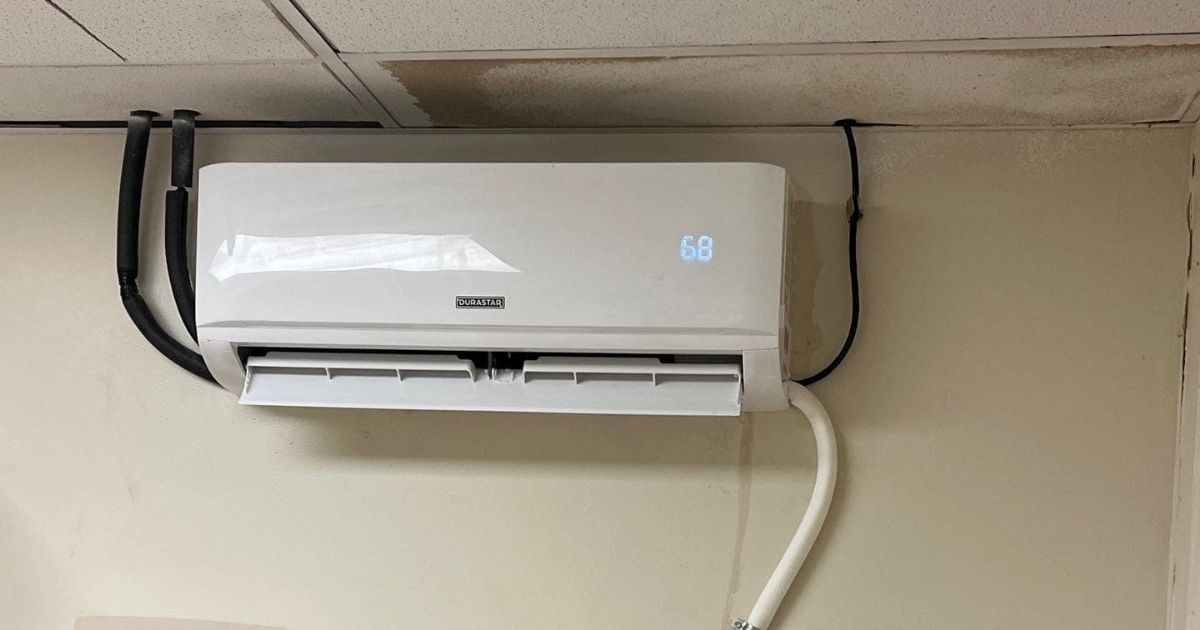
Air conditioners are a staple in many households, especially during the sweltering summer months. They provide much-needed relief from the heat, ensuring our homes remain comfortable and cool. However, while air conditioners offer numerous benefits, they can also inadvertently become sources of allergens, potentially triggering allergic reactions. In this article, we’ll explore how air conditioners can impact air quality and your health, and provide practical tips to prevent allergic reactions through proper AC usage.
Understanding How Air Conditioners Affect Air Quality
Air conditioners work by circulating and cooling the air within a space. While they are excellent at maintaining desired temperatures, they can also influence the quality of the air you breathe. Here’s how:
1. Air Circulation and Filtration
Most air conditioners draw in air from the room, cool it, and then circulate it back. This continuous circulation can trap dust, pollen, pet dander, and other airborne particles in the AC’s filters. If these filters are not regularly cleaned or replaced, they can become breeding grounds for allergens and even mold.
2. Humidity Control
Air conditioners reduce humidity levels by removing moisture from the air. While this can prevent the growth of mold and mildew, excessively dry air can irritate the respiratory tract, eyes, and skin, especially for individuals with sensitivities or pre-existing allergies.
3. Temperature Fluctuations
Rapid changes in temperature caused by air conditioning can affect the body’s natural responses. For some, this can exacerbate allergy symptoms or make them more susceptible to infections.
4. Maintenance Practices
Improper maintenance of air conditioning units can lead to the accumulation of dust, mold, and other allergens within the system. If not addressed, these contaminants can be dispersed back into the indoor environment, compromising air quality.
Common Allergens Associated with Air Conditioners
Several allergens can proliferate in and around air conditioning systems. Understanding these can help you take proactive measures to maintain a healthy indoor environment.
Dust Mites
Dust mites thrive in warm, humid environments. While air conditioners reduce humidity, improperly maintained units can still harbor dust mites, especially if the filters are not changed regularly.
Mold Spores
Mold can grow in condensation drip pans, evaporator coils, and other damp areas of the AC unit. When the system runs, mold spores can be circulated throughout the home, triggering allergic reactions.
Pollen and Outdoor Allergens
Air conditioners with open vents can draw in outdoor pollutants like pollen, especially during high pollen seasons. Filters can capture some of these particles, but if they’re clogged or ineffective, allergens can bypass the filtration system.
Pet Dander
For households with pets, dander can accumulate in air conditioning filters and ducts. Without regular cleaning, pet dander becomes part of the circulated air, posing problems for those with sensitivities.
Symptoms of Allergy Triggered by Air Conditioners
Recognizing the signs that your air conditioner may be contributing to allergies is crucial for timely intervention. Common symptoms include:
- Sneezing and Runny Nose: Persistent sneezing or a constantly runny nose can indicate airborne allergens.
- Itchy or Watery Eyes: Irritation in the eyes is a common reaction to allergens circulated by the HVAC system.
- Coughing and Throat Irritation: Dry or irritated throat can result from excessive air conditioning.
- Headaches: Poor air quality and temperature fluctuations can lead to frequent headaches.
- Respiratory Issues: Individuals with asthma or other respiratory conditions may experience worsened symptoms.
If you notice these symptoms consistently when using your air conditioner, it’s essential to evaluate the unit’s condition and maintenance practices.
Preventing Allergic Reactions from Air Conditioners
Maintaining your air conditioner is key to ensuring it doesn’t become a source of allergens. Here are some effective strategies to keep your indoor air quality in check:
1. Regular Maintenance and Cleaning
- Change or Clean Filters: Replace or clean your AC filters at least every one to three months, depending on usage and manufacturer recommendations. This prevents the buildup of dust, pollen, and other allergens.
- Inspect and Clean Coils: The evaporator and condenser coils should be cleaned periodically to prevent mold and dirt accumulation.
- Clear Drain Lines: Ensure that the condensation drain lines are free from blockages to prevent water buildup and mold growth.
2. Use High-Quality Filters
Investing in high-efficiency particulate air (HEPA) filters can make a significant difference in capturing smaller particles. HEPA filters are designed to remove up to 99.97% of airborne particulates, providing cleaner air circulation.
3. Control Humidity Levels
Maintaining indoor humidity between 30% and 50% can deter the growth of mold and dust mites. Use a dehumidifier if necessary and ensure that your air conditioner is effectively reducing moisture levels.
4. Keep the AC Unit Covered When Not in Use
If you have a window AC unit, covering it during off-seasons can prevent dust and debris from entering and accumulating in the system.
5. Regularly Inspect and Seal Ducts
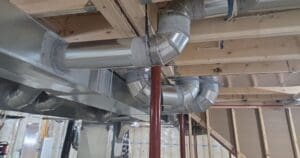
Leaky ducts can allow unfiltered air, including outdoor allergens, to enter your home. Regular inspections and sealing of any leaks can enhance the efficiency of your air filtration system.
6. Schedule Professional Inspections
Having your air conditioning system inspected by a professional at least once a year can identify and rectify issues that may not be apparent, such as hidden mold growth or mechanical faults affecting air quality.
7. Implement Additional Air Purification
Consider using standalone air purifiers with HEPA filters in conjunction with your AC. These devices can further reduce airborne allergens, ensuring a cleaner indoor environment.
Lifestyle Adjustments to Complement AC Maintenance
In addition to maintaining your air conditioner, adopting certain lifestyle habits can bolster your defenses against allergens.
Regular Cleaning Practices
- Vacuum Frequently: Use a vacuum with a HEPA filter to minimize the distribution of dust and pet dander.
- Wash Bedding Weekly: Dust mites and other allergens often reside in bedding. Regular washing in hot water can eliminate them.
- Declutter: Reducing clutter minimizes places where dust and allergens can accumulate.
Pet Care
- Groom Pets Regularly: Regular baths and grooming reduce the amount of dander pets shed.
- Restrict Pet Entry: Keeping pets out of bedrooms and off furniture can limit dander spread.
Monitor Outdoor Air Quality
On high pollen days, keep windows closed and rely on your air conditioner with clean filters to maintain air quality indoors.
When to Seek Professional Help
If you’ve implemented these preventive measures and still experience allergy symptoms, it might be time to consult a professional. Issues such as extensive mold infestations, persistent odors, or recurring filter clogging can require specialized interventions beyond routine maintenance.
Professional HVAC technicians can perform detailed cleanings, identify hidden problems, and recommend upgrades or replacements to improve your system’s performance and air quality effectiveness.
The Role of Smart Thermostats in Enhancing Air Quality
Modern technology offers tools like smart thermostats, which can play a role in maintaining optimal air quality and system efficiency.
Advantages of Smart Thermostats:
- Automated Scheduling: Adjusts temperatures based on your daily routine, reducing unnecessary operation and wear.
- Remote Control: Allows you to monitor and adjust settings remotely, ensuring your system is running efficiently even when you’re away.
- Advanced Sensors: Some models come with air quality sensors that can detect pollutants and adjust settings to maintain cleaner air.
Integrating a smart thermostat with your air conditioning system can provide greater control over your home’s environment, contributing to better air quality and energy efficiency.
Choosing the Right Air Conditioning System for Allergy Sufferers
Selecting an air conditioning system tailored to reduce allergens can make a significant difference in managing and preventing allergic reactions.
Recommended Features:
- High-Efficiency Filters: Systems that support HEPA or similar high-efficiency filters are ideal for capturing fine particles.
- Advanced Filtration Technologies: Features like UV-C light or ionizers can further purify the air by eliminating mold spores and bacteria.
- Proper Sizing: An AC unit suited to your home’s size ensures optimal performance and efficient air circulation, preventing stagnation where allergens can accumulate.
Considerations When Purchasing:
- Energy Efficiency: Look for units with high Energy Star ratings to balance performance with energy consumption.
- Maintenance Accessibility: Choose systems that are easy to access for regular cleaning and maintenance tasks.
- Warranty and Support: Ensure the manufacturer offers robust support and warranty options in case of technical issues.
Conclusion
Air conditioners play a crucial role in maintaining comfortable indoor environments, especially during hot weather. However, without proper maintenance and mindful usage, they can become hidden sources of allergens that compromise air quality and health. By understanding how air conditioners affect air quality and implementing the preventive measures outlined in this article, you can enjoy the benefits of cool air without the accompanying allergy troubles.
Don’t let allergens disrupt your comfort. Schedule a professional air conditioner inspection or upgrade your filters today to ensure a healthier, more comfortable living space. Contact us now to learn more about our HVAC maintenance services and air quality solutions designed to keep your home safe and allergen-free.