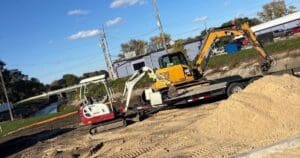
When embarking on a construction project, one of the foundational steps is preparing the site to ensure the success and longevity of the structure. Two critical processes in this preparation are excavation and grading. While they might seem similar at first glance, understanding the key differences between excavation and grading is essential for proper site preparation. In this guide, we delve into the nuances of each process, highlighting their distinct roles and why both are pivotal for any construction endeavor.
Understanding Excavation
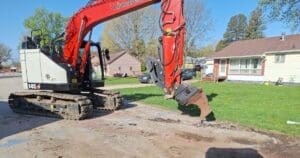
Excavation is the process of removing earth, rock, or other materials from a construction site to create space for the building’s foundation, utilities, and other substructures. This foundational step sets the stage for the entire construction project.
Key Aspects of Excavation:
- Foundation Preparation: Excavation provides the necessary space for laying down the building’s foundation. Whether it’s a basement, crawl space, or slab foundation, proper excavation ensures stability and durability.
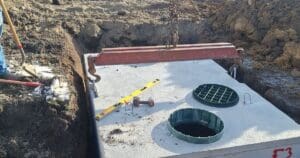
- Utility Installation: Before construction begins, utilities like water lines, sewage systems, and electrical conduits need to be placed underground. Excavation facilitates the installation of these essential services.
- Soil Testing: Excavated soil is often tested for contaminants or unsuitable conditions that might affect the building’s integrity. This ensures that the foundation is built on stable and safe ground.
- Creating Basements or Underground Structures: For buildings requiring additional underground space, excavation is the first step in creating basements, parking structures, or other subterranean facilities.
Types of Excavation:
- Digging: The straightforward removal of soil to create open spaces.
- Shoring: Supporting the sides of an excavation to prevent collapse and ensure worker safety.
- Trenching: Narrow excavations, typically for laying pipelines or cables.
Understanding Grading
Grading involves reshaping the land’s surface to ensure proper drainage, enhance aesthetics, and provide a stable base for construction. While excavation is about removing materials, grading focuses on moving and redistributing that material to achieve the desired landform.
Key Aspects of Grading:
- Drainage Management: Proper grading ensures that water flows away from the building, preventing water damage, flooding, and structural issues.
- Leveling the Site: Grading creates a level surface for construction, which is crucial for the placement of foundations, roads, and landscaping.
- Erosion Control: By shaping the land appropriately, grading helps in reducing soil erosion caused by water runoff and wind.
- Aesthetic Enhancement: Beyond functionality, grading plays a role in enhancing the visual appeal of the property by creating gentle slopes, terraces, or other landscape features.
Types of Grading:
- Topsoil Grading: Involves the movement and leveling of topsoil to prepare for planting or landscaping.
- Subgrade Grading: Focuses on the lower layers of soil to provide a stable foundation for structures like roads or buildings.
- Slope Grading: Creating specific slopes to manage water flow and prevent pooling or flooding.
Key Differences Between Excavation and Grading
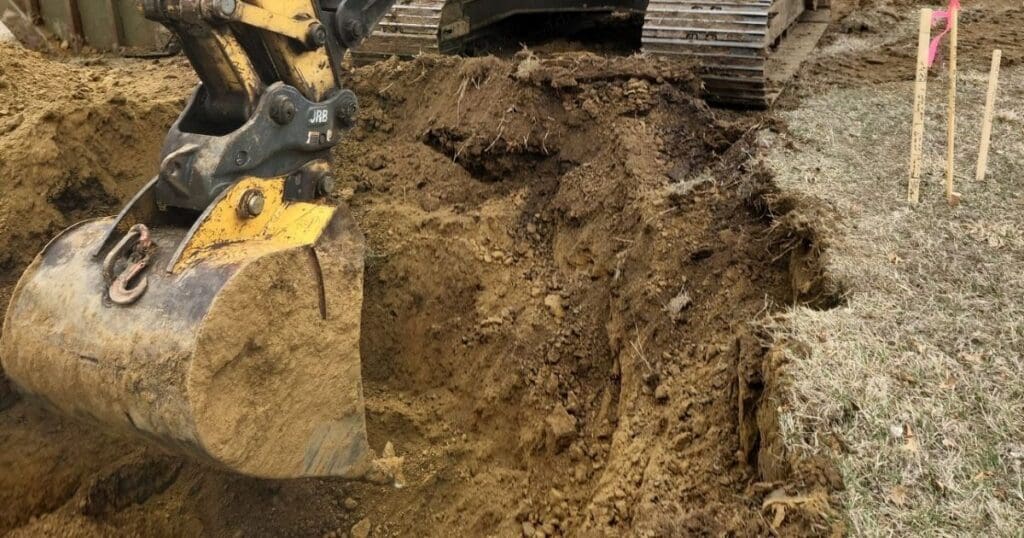
While both excavation and grading are essential for site preparation, they serve distinct purposes. Understanding their differences ensures that each process is executed correctly, paving the way for a successful construction project.
| Aspect | Excavation | Grading |
| Primary Function | Removal of earth and materials | Reshaping and leveling of land |
| Purpose | Creating space for foundations, utilities | Ensuring proper drainage, leveling site |
| Processes Involved | Digging, trenching, shoring | Moving soil, contouring land, slope creation |
| Equipment Used | Excavators, backhoes, bulldozers | Graders, dozers, compactors |
| End Goal | Prepare foundation for construction | Create stable and aesthetically pleasing land surface |
Importance of Proper Site Preparation
Proper site preparation through excavation and grading is not just about laying the groundwork—it’s about ensuring the longevity and safety of the construction project.
Benefits of Effective Excavation and Grading:
- Structural Integrity: Proper excavation provides a stable base for foundations, reducing the risk of settlement or shifting over time.
- Water Management: Grading ensures that water flows away from the building, preventing moisture-related issues like mold, rust, and erosion.
- Cost Efficiency: Addressing site preparation meticulously can prevent costly repairs in the future, saving time and money.
- Regulatory Compliance: Many local building codes require specific standards for excavation and grading to ensure safety and environmental protection.
When to Use Excavation and When to Use Grading
Determining whether to prioritize excavation or grading depends on the project’s specific requirements. Often, both processes are interconnected and may need to be performed in tandem.
Scenarios Requiring Excavation:
- Building Basements or Subterranean Structures: Requires significant removal of earth.
- Installing Underground Utilities: Necessitates digging trenches or pits.
- Creating Piles or Deep Foundations: Needs deep and precise excavation work.
Scenarios Requiring Grading:
- Landscaping Projects: To create visually appealing and functional outdoor spaces.
- Road Construction: Ensures smooth and stable road surfaces with proper drainage.
- Preventing Flooding: Adjusting land contours to divert water away from structures.
Common Mistakes in Excavation and Grading and How to Avoid Them
Even with experienced professionals, mistakes can occur in excavation and grading. Recognizing common pitfalls ensures that they are avoided, maintaining the project’s integrity.
Excavation Mistakes
- Inadequate Soil Testing: Skipping soil analysis can lead to foundational issues if the soil isn’t stable enough.
- Solution: Always conduct comprehensive soil testing before excavation begins.
- Ignoring Safety Protocols: Excavations can pose significant safety risks if not properly managed.
- Solution: Implement strict safety measures, including appropriate shoring and protective barriers.
- Overexcavation: Removing more earth than necessary can lead to increased costs and potential site instability.
- Solution: Plan excavation depth and breadth meticulously, adhering to project specifications.
Grading Mistakes
- Improper Slope Calculation: Incorrect slopes can lead to water pooling or inadequate drainage.
- Solution: Utilize precise grading plans and employ grading professionals to calculate optimal slopes.
- Neglecting Soil Compaction: Uncompacted soil can shift over time, compromising the site’s stability.
- Solution: Ensure proper soil compaction using the right equipment and techniques.
- Overlooking Vegetation: Removing all vegetation without planning can lead to erosion and environmental issues.
- Solution: Incorporate erosion control measures and plan vegetation retention where possible.
Choosing the Right Service for Your Project
Selecting a reliable excavation and grading service is crucial for the success of your construction project. Here’s what to consider when making your choice:
- Experience and Expertise: Look for companies with a proven track record in excavation and grading.
- Equipment Quality: Ensure the service provider uses modern and well-maintained equipment to handle diverse site conditions.
- Licensing and Insurance: Verify that the company holds the necessary licenses and insurance to protect against potential liabilities.
- References and Reviews: Check testimonials and seek references to gauge the company’s reliability and quality of work.
- Comprehensive Services: Opt for a service that offers a full range of excavation and grading solutions, tailored to your project’s unique needs.
Why Choose Our Excavation and Grading Services

At Crystal, we understand that excavation and grading are foundational to any successful construction project. Here’s why we stand out:
- Expert Team: Our team comprises seasoned professionals with extensive experience in excavation and grading.
- Advanced Equipment: We utilize state-of-the-art machinery to ensure efficiency and precision in every task.
- Customized Solutions: We tailor our services to meet the specific needs of your project, ensuring optimal results.
- Commitment to Safety: Safety is our top priority. We adhere to strict safety protocols to protect our workers and your site.
- Timely Completion: We respect your project timelines and work diligently to complete our services on schedule.
- Competitive Pricing: Quality services at transparent and competitive rates, ensuring value for your investment.
Get Started with Your Project Today
Properly prepared sites lead to sturdy, long-lasting structures. Whether you’re initiating a new construction project or upgrading an existing one, our excavation and grading services are your first step towards success.
Contact us today to schedule a consultation and discuss how we can assist in bringing your construction vision to life. Let Crystal be your trusted partner in laying the groundwork for your next project.