Maintaining the perfect indoor climate is essential for both comfort and health, especially during the colder months when heating systems are in full swing. One effective way to enhance your home’s environment is by integrating a furnace humidifier into your heating system. But is it the right choice for you?
Let’s delve into the pros and cons of furnace humidifiers to help you make an informed decision about improving your furnace and overall home comfort.
What is a Furnace Humidifier?
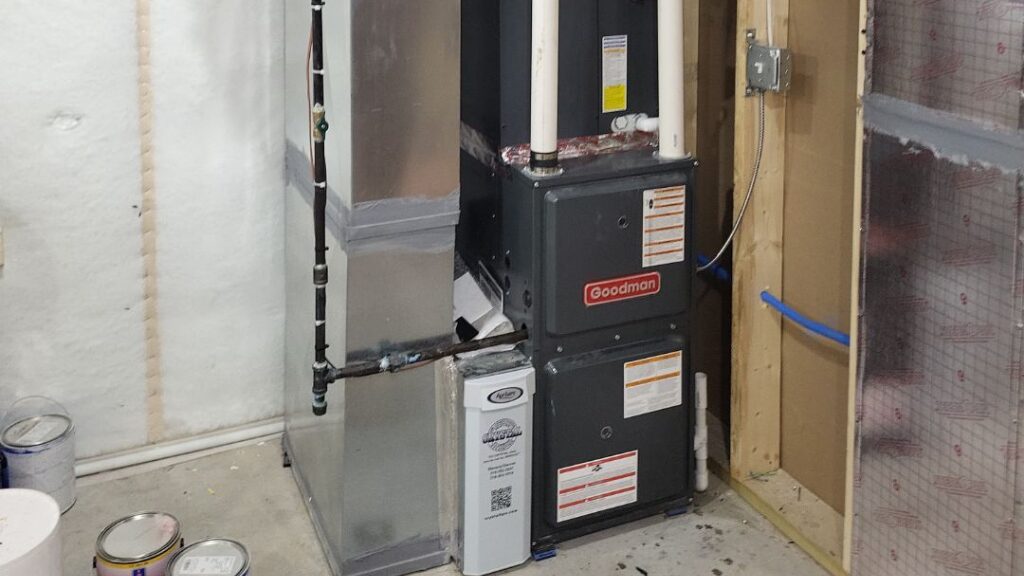
A furnace humidifier is a device installed in your heating system that adds moisture to the air as it circulates through your home’s ducts. By increasing the humidity levels, it helps prevent the air from becoming too dry during the winter months.
Dryer air can lead to discomforts such as dry skin, irritated sinuses, and static electricity buildup. A furnace humidifier works seamlessly with your existing furnace to maintain optimal humidity levels, enhancing both comfort and air quality.
Pros of Furnace Humidifiers
1. Enhanced Comfort
One of the primary benefits of installing a furnace humidifier is the immediate improvement in comfort levels. Dry air can make your home feel colder than it actually is, leading to increased reliance on your heating system. By maintaining appropriate humidity levels, a humidifier helps keep the indoor temperature feeling more consistent and comfortable, reducing the need to crank up the thermostat.
2. Improved Air Quality
Dry air often exacerbates respiratory issues, such as allergies and asthma, by irritating the respiratory tract. Adding moisture to the air can alleviate these problems, making it easier to breathe and reducing the incidence of dry skin and other moisture-related discomforts. Furthermore, proper humidity levels can help prevent the spread of airborne viruses, contributing to a healthier living environment.
3. Energy Efficiency
A well-maintained humidifier can contribute to lower energy bills. When the air in your home isn’t excessively dry, you can maintain comfortable temperatures without overworking your furnace. This efficiency not only saves money but also reduces the strain on your heating system, potentially extending its lifespan.
4. Protection for Furnishings
Dry air can cause wooden furniture, flooring, and musical instruments to crack or warp over time. By regulating humidity levels, a furnace humidifier helps preserve the integrity of your home’s furnishings, ensuring they remain in good condition for years to come.
5. Reduced Static Electricity
Static shocks can be a nuisance, especially in dry climates or during the winter months. A furnace humidifier minimizes static electricity buildup by maintaining balanced humidity levels, making your home more comfortable and reducing the frequency of unexpected shocks.
Cons of Furnace Humidifiers
1. Initial Cost
One of the main drawbacks of furnace humidifiers is the upfront cost. Depending on the type and brand, installing a humidifier can be a significant investment. Additionally, there may be costs associated with professional installation if you’re not comfortable handling the setup yourself.
2. Maintenance Requirements
Like any appliance, furnace humidifiers require regular maintenance to function effectively. This includes cleaning or replacing filters, checking for mineral buildup, and ensuring that the system is operating correctly. Neglecting maintenance can lead to reduced efficiency, increased energy costs, and potential damage to your heating system.
3. Potential for Over-Humidification
While maintaining proper humidity levels is beneficial, too much moisture can create problems. Over-humidification can lead to mold growth, dust mites, and other allergens, negatively impacting indoor air quality. It can also cause condensation on windows and other surfaces, potentially leading to structural damage over time. It’s essential to monitor and regulate humidity levels to prevent these issues.
4. Increased Energy Usage
Although a furnace humidifier can contribute to energy efficiency, it still requires power to operate. Depending on the model and usage, a humidifier can slightly increase your energy consumption. However, this increase is often offset by the potential energy savings from maintaining a comfortable indoor climate.
5. Compatibility Issues
Not all furnace systems are compatible with every type of humidifier. Before purchasing, it’s crucial to ensure that the humidifier you choose is suitable for your specific furnace model. Incompatibility can lead to inefficient operation or even damage to your heating system.
Maintenance Tips
Proper maintenance is crucial to ensure your furnace humidifier operates efficiently and lasts for many years. Here are some essential maintenance tips:
1. Regular Cleaning
Keep the humidifier clean by regularly removing and cleaning filters, pads, or water panels. This prevents mineral buildup and mold growth, ensuring the system functions smoothly.
2. Monitor Humidity Levels
Use a hygrometer to monitor indoor humidity levels. Aim for a range between 30-50% to maintain comfort and prevent over-humidification.
3. Check for Leaks
Inspect the humidifier and surrounding areas for any signs of water leaks or damage. Addressing leaks promptly can prevent more significant issues down the line.
4. Replace Filters as Needed
Depending on the type of humidifier, filters or pads may need to be replaced periodically. Follow the manufacturer’s recommendations for replacement intervals.
5. Schedule Professional Maintenance
Consider having a professional inspect and service your humidifier annually. This ensures that all components are functioning correctly and can help identify any potential issues early.
Choosing the Right Humidifier for Your Furnace
Selecting the right furnace humidifier involves considering several factors to ensure compatibility and effectiveness:
1. Home Size
The size of your home will determine the capacity of the humidifier you need. Larger homes require more powerful units to distribute moisture evenly throughout all rooms.
2. Existing Furnace System
Ensure that the humidifier you choose is compatible with your current furnace. Some systems may not support certain types of humidifiers, so it’s essential to verify compatibility before purchasing.
3. Budget
Humidifiers come in a range of prices. Determine your budget and consider both the initial cost and the long-term maintenance expenses when making your decision.
4. Maintenance Requirements
Consider how much maintenance you’re willing to perform. Some humidifiers require more frequent cleaning and upkeep, while others are designed to be low-maintenance.
5. Features and Controls
Look for features that offer precise control over humidity levels, such as integrated hygrometers or automatic shut-off mechanisms. These features can enhance the functionality and efficiency of your humidifier.
Frequently Asked Questions
1. How often should I use my furnace humidifier?
The frequency of use depends on your home’s humidity levels and the outside weather conditions. Generally, running the humidifier during the heating season when the air is drier is recommended. Monitoring humidity levels with a hygrometer can help you determine the best usage pattern.
2. Can I install a furnace humidifier myself?
While some minor installations might be manageable for those with experience, it’s often best to hire a professional. Proper installation ensures that the humidifier functions correctly and integrates seamlessly with your existing furnace system.
3. Do furnace humidifiers use a lot of water?
Furnace humidifiers are designed to use water efficiently. The actual amount used depends on the size of your home, the type of humidifier, and your desired humidity levels. Regular maintenance can also help optimize water usage.
4. What are the signs that I need a humidifier?
Signs that you might need a humidifier include consistently dry air, dry skin, irritated sinuses, static electricity problems, and cracked wooden furniture. If you experience these issues, a humidifier could help alleviate them.
5. How long does a furnace humidifier last?
With proper maintenance, a furnace humidifier can last between 5 to 10 years. Regular cleaning, timely filter replacements, and professional servicing can extend its lifespan.
Benefits Beyond Comfort
While the immediate advantages of a furnace humidifier are clear, there are additional long-term benefits to consider:
1. Healthier Living Environment
Maintaining proper humidity levels can reduce the survival of certain viruses and bacteria in the air. This can lead to fewer colds and respiratory infections among household members.
2. Preservation of Home Structure
Consistent humidity helps prevent warping and deterioration of wooden structures in your home, such as floors, cabinets, and doors, preserving their appearance and functionality.
3. Reduced Energy Costs
By maintaining comfortable humidity levels, your heating system doesn’t have to work as hard to keep your home warm. This can lead to noticeable savings on energy bills over time.
Potential Upgrades and Smart Controls
Modern furnace humidifiers come with a variety of upgrades and smart controls that can enhance their functionality:
1. Smart Thermostats
Integrating a smart thermostat with your humidifier allows for more precise control over humidity levels. You can set schedules, monitor humidity remotely, and receive notifications about maintenance needs.
2. Automated Controls
Automated controls can adjust humidity levels based on real-time readings, ensuring optimal comfort without constant manual adjustments. This feature can also help prevent over-humidification.
3. Water Line Connections
Connecting your humidifier directly to a water line ensures a steady supply of moisture, reducing the need for manual refills and minimizing the risk of leaks.
4. UV Sanitization
Some humidifiers come equipped with UV sanitization to kill bacteria and mold spores, maintaining cleaner air quality and reducing the need for frequent cleaning.
Final Thoughts
A furnace humidifier can be a valuable addition to your home, offering enhanced comfort, improved air quality, and potential energy savings. While there are costs and maintenance considerations to keep in mind, the benefits often outweigh the drawbacks for many homeowners. By understanding the pros and cons, you can make an informed decision that best suits your needs and enhances your living environment.
Ready to improve your home’s comfort and efficiency? Contact us today to learn more about our furnace humidifier options and professional installation services. Our experts are here to help you choose the perfect solution for your home.