Installing a water softener can be a significant decision for homeowners looking to improve their water quality and protect their household appliances. But is a water softener worth it?
This comprehensive guide explores the myriad benefits of installing a water softener, helping you make an informed choice for your home.
Understanding Water Hardness
Before delving into the benefits of water softeners, it’s essential to understand what causes hard water. Water hardness is primarily due to the presence of dissolved minerals, specifically calcium and magnesium ions. These minerals are picked up as water flows through limestone and other mineral-rich geological formations.
Common Sources of Hard Water
- Natural Deposits: Groundwater passing through mineral deposits picks up calcium and magnesium.
- Municipal Water Supply: Some municipal water sources have naturally high mineral content.
- Private Wells: Well water often has higher mineral concentrations compared to treated municipal water.
The Impact of Hard Water on Your Home
Hard water can have several adverse effects on your home and daily life. Recognizing these impacts underscores the importance of addressing water hardness.
1. Health Implications
While hard water is not harmful to health, excessive mineral intake can contribute to dietary imbalances. Additionally, the hardness can affect the efficiency of soap and detergents, potentially leading to skin and hair dryness.
2. Household Appliances
Hard water can significantly reduce the lifespan of household appliances. Minerals accumulate in water heaters, dishwashers, washing machines, and other appliances, leading to reduced efficiency and increased energy consumption.
3. Plumbing Systems
Over time, mineral deposits can clog pipes and faucets, leading to reduced water flow and increased maintenance costs. This buildup, known as scaling, can be particularly problematic in older plumbing systems.
4. Laundry and Cleaning
Hard water diminishes the effectiveness of soaps and detergents, resulting in dingy laundry and requiring more cleaning products to achieve the desired results. This not only affects the cleanliness of your clothes but also increases household expenses.
5. Aesthetic Concerns
Mineral deposits from hard water can leave unsightly stains on fixtures, glassware, and surfaces. These stains can be challenging to remove and may require specialized cleaning agents.
Benefits of Installing a Water Softener
Given the challenges posed by hard water, installing a water softener offers numerous advantages that can enhance your quality of life and protect your investment in your home.
1. Extended Appliance Lifespan
One of the most significant benefits of a water softener is the protection it offers to your household appliances. By removing calcium and magnesium ions, a water softener prevents the buildup of scale inside appliances such as:
- Water Heaters: Enhanced efficiency and prolonged lifespan.
- Washing Machines: Reduced maintenance needs and fewer repairs.
- Dishwashers: Cleaner dishes and less wear on internal components.
- Coffee Makers and Kettles: Prevention of limescale buildup, ensuring better performance and longevity.
2. Improved Cleaning Efficiency
Soft water enhances the effectiveness of soaps and detergents, leading to:
- Cleaner Dishes: Spot-free and sparkling results without the need for excessive rinse cycles.
- Brighter Laundry: Fabrics remain cleaner and last longer without the harsh effects of mineral deposits.
- Easier Cleaning: Surfaces such as countertops, tiles, and bathtubs stay cleaner and require less effort to maintain.
3. Cost Savings
While the initial investment in a water softener may seem substantial, the long-term savings are noteworthy:
- Energy Efficiency: Appliances operate more efficiently, reducing energy bills.
- Reduced Maintenance Costs: Less frequent repairs and replacements for appliances and plumbing systems.
- Lower Cleaning Expenses: Decreased need for soaps, detergents, and specialized cleaning products.
4. Enhanced Water Quality
Water softeners not only remove hardness minerals but also improve overall water quality by:
- Reducing Residue: Less mineral buildup on surfaces leads to cleaner and healthier living environments.
- Softening Water for Bathing: Softer water feels gentler on the skin and hair, reducing dryness and irritation.
- Eliminating Stains: Preventing mineral deposits from leaving marks on fixtures and glassware.
5. Environmental Benefits
Using a water softener can contribute to environmental sustainability by:
- Lower Detergent Usage: Reduced need for soaps and detergents leads to lower chemical runoff.
- Energy Conservation: More efficient appliances consume less energy, decreasing your household’s carbon footprint.
Choosing the Right Water Softener
Selecting the appropriate water softener for your home involves considering various factors to ensure optimal performance and value.
1. Water Hardness Level
Understanding the hardness level of your water is crucial. Water hardness is typically measured in grains per gallon (GPG). Testing your water can help determine the capacity and type of water softener needed.
2. Household Size and Water Usage
The size of your household and daily water consumption influence the type and capacity of the water softener. Larger families or higher water usage require more robust systems to maintain effectiveness.
3. Type of Water Softener
There are different types of water softeners, each with unique features:
- Salt-Based Ion Exchange Softeners: The most common type, effective at removing hardness ions.
- Salt-Free Water Conditioners: Prevent scale buildup without removing hardness minerals.
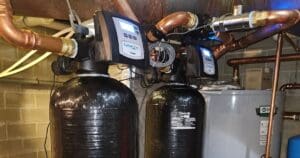
- Dual-Tank Systems: Offer continuous soft water supply, ideal for larger households or high water usage.
4. Installation and Maintenance
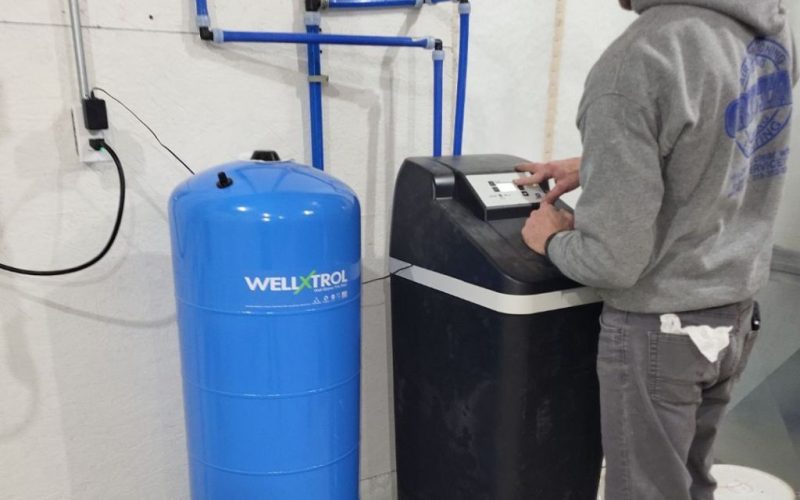
Consider the ease of installation and ongoing maintenance requirements. Professional installation ensures proper setup, while maintenance-friendly models simplify upkeep tasks such as refilling salt or replacing filters.
5. Budget and Energy Efficiency
Evaluate your budget and the long-term cost implications. Energy-efficient models might have a higher upfront cost but offer savings through reduced energy consumption and maintenance expenses over time.
Installation Process
Installing a water softener typically involves the following steps:
- Water Testing: Determining water hardness levels to customize the softener settings.
- System Selection: Choosing the appropriate type and capacity based on household needs.
- Plumbing Setup: Connecting the softener to the main water supply, often near the water heater.
- System Configuration: Setting up regeneration cycles and salt levels according to manufacturer guidelines.
- Initial Testing: Ensuring the system operates correctly and effectively softens the water.
Professional Installation vs. DIY
While some homeowners may opt for DIY installation, professional installation is recommended to guarantee optimal performance and adherence to local plumbing codes. Professionals also provide valuable guidance on system selection and maintenance practices.
Maintenance Tips for Optimal Performance
To ensure your water softener continues to function efficiently, regular maintenance is essential:
- Monitor Salt Levels: Regularly check and refill salt as needed to maintain ion exchange processes.
- Clean the Brine Tank: Prevent salt bridges and sludge buildup by periodically cleaning the brine tank.
- Inspect System Components: Routine inspections can identify potential issues before they escalate.
- Schedule Professional Servicing: Annual check-ups by professionals can enhance system longevity and performance.
Common Myths About Water Softeners
There are several misconceptions surrounding water softeners that can deter homeowners from considering their installation. Addressing these myths helps in making an informed decision.
1. Soft Water is Unsafe to Drink
Contrary to popular belief, soft water is safe to drink. The ion exchange process primarily replaces calcium and magnesium with sodium or potassium ions, which are safe for consumption at typical levels.
2. Water Softeners Increase Sodium Levels Significantly
The increase in sodium from softened water is minimal and generally not a concern for most individuals. However, those on sodium-restricted diets may opt for potassium-based softeners or alternative water conditioning methods.
3. Water Softeners Waste Water
Modern water softeners are designed to be water-efficient, using minimal water during regeneration cycles. Comparing older models with current systems demonstrates significant improvements in water conservation.
4. All Water Softeners are the Same
Water softeners vary in capacity, type, and features. Selecting a system tailored to your household’s specific needs ensures optimal performance and value.
Environmental Considerations
While water softeners offer numerous benefits, it’s important to consider their environmental impact and opt for sustainable practices.
1. Efficient Salt Usage
Choosing a water softener with efficient salt usage reduces the environmental footprint. High-efficiency models use less salt per grain of hardness removed, minimizing salt discharge into wastewater systems.
2. Alternative Regeneration Methods
Some water softeners utilize eco-friendly regeneration methods, such as using potassium chloride instead of sodium chloride, which is less harmful to aquatic life.
3. Proper Disposal of Residual Salt
Ensuring proper disposal of excess salt prevents environmental contamination. Follow local regulations and manufacturer guidelines to manage salt residues responsibly.
Cost Analysis: Initial Investment vs. Long-Term Savings
Investing in a water softener involves considering both the upfront costs and the long-term financial benefits.
1. Initial Costs
- System Purchase: Varies based on type, capacity, and features.
- Installation Fees: Professional installation often adds to the total cost.
- Additional Components: Filters, brine tanks, and control systems may incur extra expenses.
2. Long-Term Savings
- Energy Bills: Efficient appliances lower energy consumption and costs.
- Appliance Longevity: Reduced wear and tear extend appliance lifespans, avoiding premature replacements.
- Maintenance Costs: Less frequent plumbing repairs and reduced need for cleaning products translate to savings.
3. Return on Investment (ROI)
Calculating the ROI involves comparing the total costs against the cumulative savings over the water softener’s lifespan. On average, homeowners can expect to recoup their investment within a few years through energy savings and reduced maintenance expenses.
Frequently Asked Questions (FAQs)
1. How long does a water softener last?
With proper maintenance, a water softener can last between 10 to 20 years, depending on the model and usage.
2. Do water softeners remove all minerals from water?
Water softeners primarily remove calcium and magnesium ions responsible for water hardness. Other minerals may still be present in the water supply.
3. Is professional installation necessary?
While DIY installation is possible for those with plumbing experience, professional installation ensures the system is set up correctly and functions optimally.
4. Can I install a water softener myself?
Yes, if you have the necessary skills and tools. However, professional installation is recommended to avoid potential issues and ensure compliance with local codes.
5. How often do I need to refill the salt in my water softener?
Typically, salt needs to be added every one to two months, depending on your water usage and the softener’s capacity.
Making the Decision: Is a Water Softener Right for You?
Installing a water softener offers numerous benefits, from improving water quality and extending appliance life to saving money in the long run. However, the decision hinges on your specific circumstances, including water hardness levels, household size, and budget.
Considerations Before Installation
- Assess Water Hardness: Conduct a water test to determine the hardness level.
- Evaluate Household Needs: Consider the number of residents and daily water usage.
- Budget Planning: Weigh the initial costs against potential long-term savings.
- Research Options: Explore different types and models to find the best fit for your home.
- Consult Professionals: Seek advice from water treatment experts to ensure informed decision-making.
Take the Next Step
Ready to experience the benefits of softened water in your home? Contact our expert team today for a free consultation and personalized water softener solutions tailored to your needs. Enjoy cleaner water, protect your appliances, and enhance your household’s well-being with our top-of-the-line water softening systems.
By understanding the challenges of hard water and the advantages of water softeners, you can make a well-informed decision that enhances your home’s functionality and your family’s comfort. Investing in a water softener is not just about improving water quality; it’s about safeguarding your home’s infrastructure and ensuring a healthier, more efficient living environment.