Maintaining a healthy septic system is crucial for any homeowner relying on onsite wastewater treatment. A full septic tank can lead to a host of problems, from unpleasant odors to costly repairs. Recognizing the warning signs early can save you time, money, and a great deal of inconvenience.
This guide will walk you through the top symptoms that indicate your septic tank might be full and outline the next steps you should take to address the issue effectively.
Understanding Your Septic System
Before diving into the warning signs, it’s essential to understand how a septic system works. A typical septic system consists of a septic tank and a drainfield. The tank collects and holds wastewater from your household plumbing, allowing solids to settle at the bottom while liquids flow out into the drainfield for further treatment and absorption. Regular maintenance, including pumping out the tank every few years, ensures the system functions correctly.
6 Warning Signs Your Septic Tank is Full
Recognizing the signs that your septic tank is nearing capacity can prevent significant issues. Here are the primary indicators to watch out for:
1. Slow Drains and Clogged Fixtures
One of the most immediate signs of a full septic tank is slow-draining sinks, tubs, and toilets. When the tank is overwhelmed, wastewater backs up into your home’s plumbing, causing fixtures to clog more frequently.
- Sinks and Tubs: Water drains slowly after use and may take longer to empty completely.
- Toilets: Flushing may become less effective, leading to frequent clogs and backups.
- Showers: Similar to sinks and tubs, showers may drain more slowly than usual.
2. Sewage Odors
Unpleasant odors around your home and yard can indicate that your septic system is struggling. These smells often result from untreated sewage surfacing or gases escaping from the tank.
- Indoor Smells: Foul odors in bathrooms or kitchens suggest ventilation issues or leaks in the septic system.
- Outdoor Smells: Strong sewage odors in your yard, especially near the drainfield, indicate that waste is not being properly processed.
3. Pooling Water in Your Yard
Excessive moisture or standing water near your septic system can signal a backup. This pooling water may appear around the drainfield or in other parts of your yard, indicating that the system cannot adequately absorb and treat wastewater.
- Wet Spots: Unusual dampness in areas where the ground is typically dry.
- Puddles: Small puddles forming after rain or normal use can be a red flag.
4. Lush Green Grass Above the Septic Tank
While healthy grass can be a good indicator of a functioning septic system, unusually lush or green grass over the septic tank or drainfield suggests that excess moisture is present. This can be a sign of a full tank or a failing drainfield.
- Consistent Growth: Grass in these areas remains greener than the rest of your lawn, even during dry periods.
- Mushy Ground: The soil may feel soft and spongy due to excess moisture.
5. Gurgling Sounds in Plumbing
Unexplained gurgling noises in your plumbing fixtures, such as toilets or sinks, can indicate that air is trapped in the pipes due to a septic system backup. These sounds are often accompanied by slow drainage and odors.
- Toilet Gurgling: After flushing, your toilet may emit a gurgling noise as it struggles to drain.
- Sink Gurgling: Similar sounds can occur when water moves through fixtures with reduced flow.
6. Sewage Backup
A more severe sign of a full septic tank is the actual backup of sewage into your home. This situation requires immediate attention to prevent health hazards and further damage to your property.
- Toilet Overflowing: Sewage may start coming up from the toilet bowl during a flush.
- Drain Backup: Wastewater can back up into sinks, tubs, and showers.
What to Do If You Suspect a Full Septic Tank
If you notice any of the warning signs mentioned above, it’s crucial to take prompt action to address the issue. Here’s a step-by-step guide on what to do next:
1. Stop Using Water
To prevent further strain on your septic system, minimize water usage immediately. Limit showers, laundry, dishwashing, and avoid flushing unnecessary items down the toilet.
- Reduce Loads: Use high-efficiency appliances and fixtures to conserve water.
- Limit Activities: Postpone water-intensive tasks until the system is pumped out.
2. Locate Your Septic Tank
Knowing the exact location of your septic tank and drainfield is essential for effective maintenance and troubleshooting.
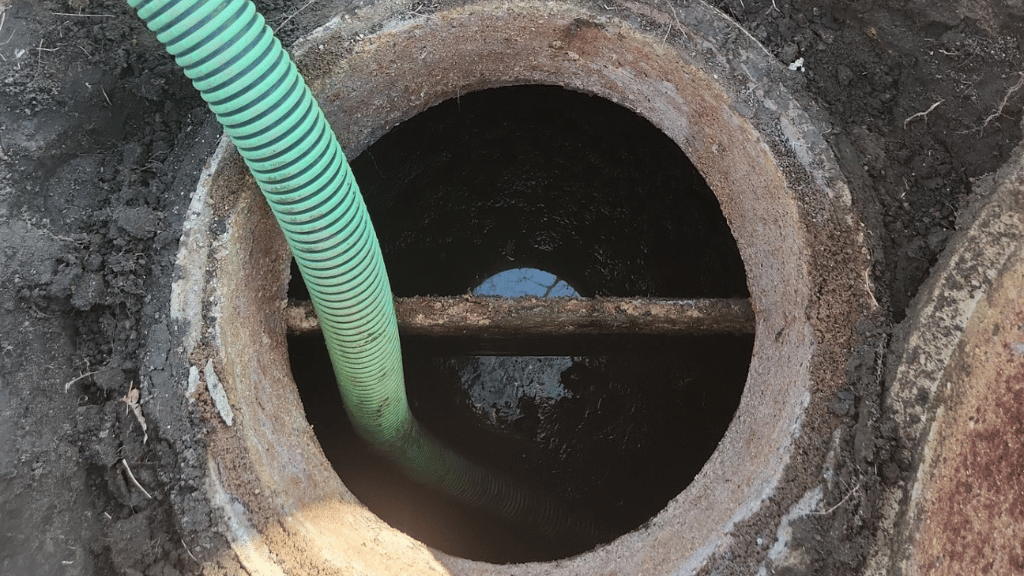
- Access Points: Locate the septic tank lids or access points, which are typically found in your yard near the house.
- Professional Help: If you’re unsure, consider hiring a professional to pinpoint the tank’s location.
3. Contact a Professional Septic Service
Addressing a full septic tank requires the expertise of a licensed septic service provider. They can inspect, pump out the tank, and assess any damage to the system.
- Inspection: A professional will evaluate the tank’s condition and determine the appropriate course of action.
- Pumping Service: Ensuring all solids are removed to restore the tank’s functionality.
4. Schedule Regular Maintenance
Prevent future issues by adhering to a regular maintenance schedule. Most septic systems require pumping every 3 to 5 years, but this can vary based on usage and tank size.
- Inspection Frequency: Annual inspections can help identify potential problems early.
- Maintenance Plan: Work with your septic service provider to establish a maintenance routine tailored to your system’s needs.
5. Implement Water Conservation Measures
Reducing water usage not only helps your septic system but also lowers your utility bills and conserves environmental resources.
- Low-Flow Fixtures: Install low-flow toilets, showerheads, and faucets to minimize water consumption.
- Efficient Appliances: Use energy-efficient washing machines and dishwashers to reduce water usage.
6. Avoid Harmful Products
Certain household products can disrupt the balance of bacteria in your septic tank, leading to buildup and inefficiency.
- Biodegradable Cleaners: Use environmentally friendly and biodegradable cleaning products to protect your septic system.
- Limit Chemical Use: Avoid overusing bleach, solvents, and other harsh chemicals that can harm beneficial bacteria.
The Importance of Timely Septic Tank Maintenance
Maintaining your septic tank is not just about preventing unpleasant odors and backups; it’s also about protecting the environment and ensuring the longevity of your system. A well-maintained septic system:
- Prevents Contamination: Properly functioning systems keep harmful bacteria and pollutants from entering the groundwater.
- Saves Money: Regular maintenance reduces the risk of expensive repairs or the need for a new septic system.
- Enhances Property Value: A healthy septic system is a valuable asset for any home, making it more attractive to potential buyers.
Environmental Impact
A failing septic system can have severe environmental consequences, contaminating local water sources and harming wildlife. By keeping your system in good condition, you contribute to the overall health of your community and ecosystem.
Health Considerations
Exposure to untreated sewage can pose significant health risks, including infections and diseases. Ensuring your septic system is functioning correctly protects your family’s health and well-being.
When to Replace Your Septic System
In some cases, a septic system may be beyond repair and require replacement. Signs that it’s time to consider a new system include:
- Frequent Failures: Repeated backups and issues despite regular maintenance.
- Age of the System: Most septic systems have a lifespan of 20-30 years; older systems may need replacement.
- Soil Issues: Poor soil conditions that prevent proper waste absorption may necessitate a new system design.
Choosing the Right Septic Service Provider
Selecting a reputable septic service provider is crucial for effective system maintenance and repairs. Here are some factors to consider:
Licensing and Certification
Ensure the company is licensed and certified to perform septic services in your area. This guarantees they meet industry standards and are qualified to handle your system.
Experience and Reputation
Look for providers with extensive experience and positive reviews. A well-established company is more likely to deliver reliable and high-quality service.
Comprehensive Services
Choose a provider that offers a full range of services, including inspections, pumping, repairs, and replacements. This ensures they can address all your septic needs.
Transparent Pricing
Reliable septic service providers offer clear and upfront pricing without hidden fees. Request detailed estimates before committing to any service.
Preventative Measures to Extend Septic Tank Life
Taking proactive steps can significantly extend the life of your septic system and reduce the likelihood of issues arising. Here are some preventative measures to consider:
Regular Inspections and Pumping
Stick to a regular maintenance schedule, including annual inspections and periodic pumping, to keep your septic system functioning efficiently.
Mindful Waste Disposal
Only flush human waste and toilet paper. Avoid disposing of hazardous materials, grease, oils, and non-biodegradable items in your septic system.
Protect the Drainfield
Avoid driving or parking vehicles on the drainfield area, as the weight can compact the soil and damage the system. Additionally, plant only grass or shallow-rooted vegetation above the drainfield to prevent root intrusion.
Manage Water Usage
Implement water-saving measures throughout your home to reduce the load on your septic system. This includes fixing leaks promptly and using appliances wisely.
Conclusion
A full septic tank presents numerous challenges, from inconvenient backups to serious health and environmental hazards. By staying vigilant and recognizing the warning signs early, you can take proactive steps to maintain your septic system’s health and functionality. Regular inspections, mindful water usage, and choosing the right septic service provider are essential components of effective septic system management.
Maintaining a properly functioning septic system is an investment in your home’s longevity and your family’s well-being. Stay informed, take timely action, and enjoy the peace of mind that comes with a well-maintained septic system.