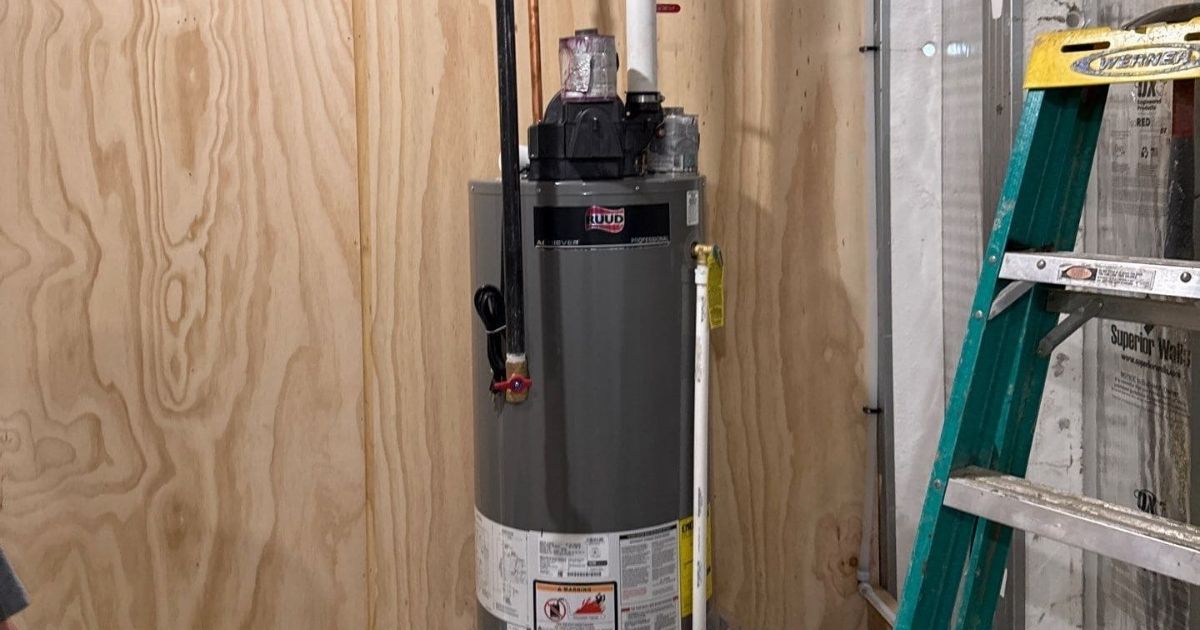
Winter is fast approaching, and ensuring your water heater is in top shape is essential to withstand the colder months. A failing water heater can lead to uncomfortable showers, unexpected water damage, and skyrocketing repair costs. In this guide, we will walk you through five critical signs—rust, leaks, inconsistent heating, age, and strange noises —that indicate your water heater might need replacement before winter arrives. Read on to learn how to spot these issues early and take timely action, ensuring you and your family stay warm and comfortable all season long.
Understanding the Importance of a Functional Water Heater
Water heaters are an indispensable part of your home’s infrastructure. They not only provide hot water for bathing and cleaning but also help ensure a safe, comfortable environment during cold winter months. A fully functional water heater means reliable heating and added peace of mind. On the other hand, a failing unit can lead to:
- Unpredictable hot water supply
- Increased energy bills
- Water damage to your home
- Costly emergency repairs
By recognizing early warning signs, you can avoid the pitfalls of dealing with repair emergencies when you most need your heater to perform. It’s also important to consider investing in a new water heater if you experience multiple issues at once, as this can save you significant time and money in the long run.
1. Rust on or Around the Water Heater
One of the first signs that your water heater might be nearing the end of its lifespan is the appearance of rust. Rust is a clear indicator of corrosion, which is a problem that affects both the tank and its various components.
Rust can lead to:
- Weakened structural integrity
- Potential leaks or ruptures
- Reduced efficiency in heating water
It is important to inspect your water heater regularly. Look for any signs of rust on the metal surface or around the bottom where water tends to accumulate. If you see any evidence of rust, it is highly advisable to call in a professional for a comprehensive inspection. In many cases, replacing the water heater is the most cost-effective and long-term solution, as ongoing rust issues can escalate into major problems.
2. Leaks or Puddles Forming Around the Heater
Leaks are a significant cause for concern when it comes to water heaters. Even small leaks can quickly turn into major problems as water damage spreads to surrounding areas, potentially causing structural harm and mold growth.
The most common reasons for leaks include:
- Deterioration of the seals
- Cracks in the tank from prolonged wear and tear
- Corrosion due to rusting components
When you notice puddles or damp spots around your water heater, it’s important to act immediately. Residential water heaters are designed with safety measures, but persistent leaks can compromise the unit’s performance and safety.
Here are some steps to consider if you find leaks:
- Turn off the water supply to the heater
- Drain the tank to prevent more water damage
- Contact a certified professional for repair or replacement advice
Don’t underestimate the impact of even small leaks; it might be more economical and safe to opt for a new unit rather than continuous repairs.
3. Inconsistent Heating and Reduced Performance
If you notice that your water heater is struggling to keep up with your hot water demands, it might be a sign of underlying issues. Inconsistent heating or fluctuating water temperatures are clear indicators of wear and tear or failing components within the unit.
Common reasons for inconsistent heating include:
- Accumulation of sediment in the tank
- Faulty heating elements
- Thermostat malfunctions
Not only does this result in an unreliable hot water supply, but it can also lead to energy wastage. An inefficient water heater uses more energy as it struggles to heat water to the desired temperature, driving up your utility bills.
If this is a recurring problem, it might be that your water heater is no longer efficient. Over time, sediment builds up and creates a barrier between the water and the heat source, resulting in uneven and overly prolonged heating cycles.
Suggestions: Consider scheduling a thorough cleaning and maintenance inspection to see if performance can be restored. If not, it may be time for a complete replacement.
4. Advanced Age of the Water Heater
Water heaters are built to last a certain period, and even with regular maintenance, they do have a finite lifespan. Typically, a conventional tank water heater lasts between 8 and 12 years. If your heater is approaching or has exceeded this age range, the likelihood of failure increases significantly.
Why does age matter?
- Older units are less efficient, consuming more energy to operate
- Parts begin to wear out, leading to frequent breakdowns
- Newer models come equipped with modern safety and efficiency features
An aging water heater may also be more prone to issues such as:
- Rust and internal corrosion
- Leaky pipes or tanks
- Faulty thermostats that lead to temperature fluctuations
Given the advancements in technology, upgrading to a newer model can mean not only improved efficiency and lower energy bills but also added safety and convenience.
If you are unsure about the age of your water heater or whether it’s time for a replacement, consider reviewing your purchase documents or having a professional evaluate the unit’s condition.
5. Strange Noises Coming from the Unit
If your water heater begins to make unusual noises—it’s definitely a cause for concern. Sounds such as banging, popping, or rumbling can often signal internal issues, including:
- Build-up of sediment at the bottom of the tank
- Malfunctioning heating elements
- Water expansion and contraction leading to stress on the tank
Noises alone might not give you a full picture of what is wrong, but when combined with other issues, they serve as an important warning signal. Acting on these signs early can prevent a minor issue from evolving into a full-blown emergency.
When you hear strange noises coming from your water heater, it’s best to schedule a prompt inspection. Persistent noise problems can be an early indicator that your water heater is nearing the end of its operational life and may soon require a replacement.
Suggestions: Make a note of the specific sounds you’re hearing and when they occur, as this information can be very useful for a professional diagnosis.
Additional Considerations for Winter Preparedness
While the five signs discussed above are the primary indicators that a water heater might need replacement, there are additional factors to consider as you prepare for winter:
- Energy Efficiency: New water heaters are designed with advanced technology to offer higher energy efficiency, potentially saving you money during the cold months.
- Safety Features: Modern units come with improved safety features such as enhanced pressure relief valves and better insulation to safeguard against overheating.
- Environmental Impact: Upgrading to a newer, energy-efficient model can reduce your carbon footprint and help contribute to a greener environment.
Investing in a new water heater before winter is not merely a matter of convenience but also a smart financial and environmental decision. The cost of unexpected breakdowns and emergency repairs can quickly drain your budget, whereas planned upgrades help distribute the expense over time and offer long-term savings.
Step-by-Step Guide to Assessing Your Water Heater’s Condition
Before you decide on a replacement, it’s beneficial to have a logical assessment of your water heater’s condition. Here’s a simple guide to help you evaluate your unit:
Step 1: Conduct a visual inspection
- Look for visible signs of rust on the exterior of the heater.
- Examine the area for any water stains or puddles, particularly around the base of the unit.
Step 2: Monitor the performance
- Check if the water temperature remains consistent; make note of any fluctuations.
- Observe if the water heater takes longer to heat water than usual.
Step 3: Listen for unusual noises
- Pay attention to any unusual sounds during the heating cycle such as banging, popping, or rumbling.
- Document the timing and duration of these noises, as they might indicate sediment build-up.
Step 4: Consider the age and maintenance history
- Review the installation date and previous maintenance records.
- Older units or those with a lack of maintenance history are more prone to failures.
By carefully evaluating these factors, you can determine whether it’s more cost-effective to repair the current unit or invest in a new one.
Planning for Your Water Heater Replacement
Once you’ve determined that your water heater displays one or more of these warning signs, planning your replacement is the next logical step. Here are some practical tips to help you get started:
- Budgeting: Determine your budget for replacement. Consider both the price of the unit and the installation costs.
- Research: Read reviews and ask for recommendations to select a reliable model that suits your home’s specific needs.
- Professional Consultation: Contact a trusted service provider to evaluate your current water heater and advise on the best replacement solutions.
- Scheduling: Plan the replacement before high-demand winter months to ensure that you’re never left without a functional heater.
Taking the time to plan your replacement can save you from unexpected disruptions and ensure that your home remains warm and safe throughout winter. It also allows you to explore any available warranties or financing plans that can make the transition smoother.
Frequently Asked Questions
We understand that deciding to replace your water heater is a major decision. Below are some frequently asked questions (FAQ) to help you better understand the process:
How do I know if my water heater’s rust is a serious issue?
If the rust is superficial, it might be isolated; however, widespread rust or rust near seams usually indicates internal corrosion and a high risk of leaks. In such cases, replacing the water heater is advisable.
What type of water heater is best for colder climates?
Tankless, high-efficiency, and hybrid water heaters are all excellent choices for colder climates, as they provide on-demand hot water and reduce energy consumption. Your choice should reflect your household’s hot water demand and existing infrastructure.
How long does professional installation take?
Generally, a professional replacement can be completed within a few hours. During installation, technicians verify that all connections are secure and that the new system meets current safety standards.
Are there any maintenance tips to extend the life of my water heater?
Regular maintenance such as flushing the tank, checking the pressure valve, and scheduling annual inspections can extend the life of your water heater. However, if multiple issues arise simultaneously, replacement is the safest option.
Don’t Let Winter Catch You Unprepared
As winter nears, ensuring that your water heater is functioning efficiently is crucial for maintaining a comfortable, safe, and energy-efficient home. By being attentive to warning signs such as rust, leaks, inconsistent heating, advanced age, and strange noises, you can make an informed decision about when it’s time to invest in a new water heater.
Proactive assessment and preparation are vital to avoid the pitfalls of emergency repairs during the colder months. A modern water heater not only promises reliable performance and cost savings but also enhances overall home safety. Remember, addressing these issues now can prevent larger, more expensive problems later.
If you’ve noticed any of the above signs or if your water heater is simply old, don’t wait! Take the necessary steps to protect your home and ensure winter comfort by opting for a replacement now. Our team of seasoned professionals is here to provide you with expert advice, top-notch service, and attractive financing options to make your upgrade smooth and convenient.