Homeownership in Bremer County comes with a unique set of challenges and opportunities, especially when it comes to maintaining and upgrading older plumbing systems. Many of these historic homes boast charm and character but often hide aging pipework, outdated fixtures, and inefficiencies that can lead to costly repairs over time.
Upgrading your plumbing not only ensures a more reliable and efficient water system but also adds value to your property while providing peace of mind. In this guide, we explore the reasons to upgrade your plumbing, the process involved, and the benefits of modernizing your home’s water system—all explained in a relaxed and informative manner.
Recognizing Aging Plumbing Systems in Bremer County Homes
The first step in any upgrade is identifying signs that your plumbing system might be outdated or in need of repairs. Old plumbing can lead to leaks, water contamination, and increased water bills. Some common signs include:
- Frequent leaks or drips: Noticeable leaks from fixtures or pipes might indicate corrosion or damage.
- Rusty water: Discoloration or a metallic taste in your water suggests that old pipes may be corroding.
- Low water pressure: Sediment build-up and narrow pipes can restrict water flow over time.
- Unusual noises: Gurgling or knocking sounds in the pipes can be a symptom of air or debris in the system.
Recognizing these issues early on can save homeowners not only from unexpected water damage but also from more extensive repairs or replacements down the line.
Benefits of Upgrading Your Plumbing
Deciding to upgrade your plumbing system in Bremer County brings a host of benefits that extend well beyond immediate repairs:
- Improved Water Efficiency: Modern plumbing fixtures are designed to use less water while delivering better performance, thereby reducing monthly utility bills.
- Enhanced Home Value: Updated plumbing systems make your home more appealing to buyers, boosting its market value should you ever decide to sell.
- Safety and Health: New piping materials resist bacterium buildup and reduce the risk of water contamination, ensuring a healthier environment for your family.
- Modern Conveniences: Today’s plumbing systems are engineered to support advanced technologies, smart fixtures, and more dependable water pressure and temperature controls.
Each of these factors contribute to a more comfortable living situation—an upgrade that pays off over time.
A Comprehensive Guide for Upgrading Plumbing in Bremer County Homes
Step 1: Assessing Your Current Plumbing System
The assessment stage is the foundation of any successful plumbing upgrade. It involves a detailed inspection of your existing infrastructure to pinpoint issues and plan improvements.
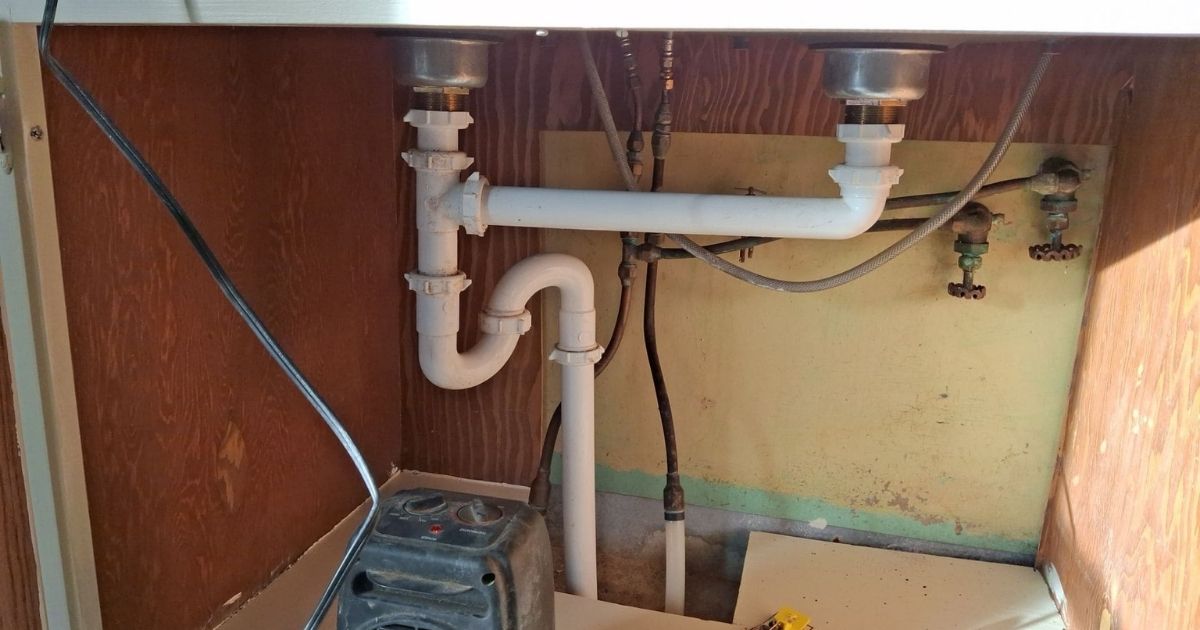
- Visual Inspection: Walk around your home looking for signs of leaks, water damage, or corrosion. Check under sinks, near water heaters, and in basements.
- Pressure Testing: Have a professional test your water pressure to determine whether clogs or narrow piping are affecting flow.
- Material Identification: Identify which types of pipes run through your home. Older homes may have galvanized steel or lead pipes, which pose health risks and are less durable.
After an assessment, homeowners can better understand the scope of work needed. If you’re unsure about the condition of your plumbing, consider reaching out to a trusted local expert.
Step 2: Planning Your Plumbing Upgrade
Once the evaluation is complete, planning your upgrade effectively becomes the next priority. This stage includes budgeting, scheduling, and selecting the materials and fixtures to be installed.
- Budgeting: Determine a realistic budget based on the scope of work. Factor in costs for new pipes, labor, permits, and any additional upgrades you plan to implement.
- Material Selection: Today’s home improvement options include copper, PEX (cross-linked polyethylene), and other modern materials that offer improved durability and flexibility.
- Fixture Modernization: Consider modern fixtures that not only look sleek but also promote water conservation, such as low-flow toilets and faucets.
- Timeline: Setting a clear timeline helps keep the project on track. Plan ahead for any inconveniences that may arise and schedule professional assistance during the least disruptive times.
If you have questions during the planning process, feel free to contact our team for professional guidance and personalized quotes.
Step 3: Execution and Installation
The physical upgrade process is where planning turns into tangible results. Professional plumbers will ensure that all new components meet local building codes and modern standards.
- Pipe Replacement: Old pipes are carefully removed and replaced with pipeline systems that offer longevity and improved water quality.
- Fixture Installation: Installing new fixtures often involves updating the bathroom, kitchen, or laundry space with more efficient and modern designs.
- System Testing: After installation, the system is tested to ensure proper water flow, pressure, and leak prevention.
This phase may also include minor adjustments to your home’s layout to optimize plumbing pathways and ensure long-term reliability.
Replacing Aging Pipes
Replacing old pipes involves removing outdated materials, such as galvanized steel or lead, and installing newer, safer alternatives like copper or PEX. Here are some key points to consider:
- Health and Safety: Old pipes can leach harmful substances into your water supply. Modern materials eliminate such risks.
- Cost-Effectiveness: While the upfront cost may seem significant, new piping systems require fewer repairs, thereby saving money over time.
- Durability: New materials are less likely to corrode or weaken over time, meaning fewer disruptions and permanent solutions.
During a pipe replacement project, professionals will carefully evaluate each section of your plumbing system to ensure that every replacement meets both current standards and your home’s needs. This stage sets the groundwork for improved water efficiency and reliability in your household.
Modernizing Fixtures and Appliances
Modern fixtures do not just add aesthetic appeal—they also enhance functionality and efficiency. Whether it’s a sleek new faucet in your kitchen or a stylish showerhead in your bathroom, upgrades in this area can transform your space:
- Bathrooms: An updated vanity, modern sink, or energy-efficient toilet can modernize your space while offering improved water-saving capabilities.
- Kitchens: Upgrading your sink, installing a more efficient dishwasher, or even redesigning the countertop area can significantly increase both usability and overall home appeal.
- Laundry Areas: New washing machines connected to modern plumbing fixtures can result in lower water usage and improved performance.
Choosing to modernize your fixtures not only improves daily convenience but also contributes to a more polished look throughout your home. The transformation can be as simple as a change in faucet design or as extensive as a complete remodel of your plumbing fixtures.
Enhancing Water Efficiency
Water efficiency is a key benefit of plumbing upgrades. Modern plumbing systems are designed to reduce water waste without compromising performance. Here’s how improved water efficiency affects you:
- Lower Utility Bills: New fixtures, including low-flow toilets, faucets, and showerheads, ensure that your water usage is minimized, leading to reduced utility bills.
- Environmental Impact: Reducing water usage not only saves money but also helps conserve precious resources—a win-win for the environment and your home.
- Smart Technology: Contemporary systems often include smart technology options like automated leak detection, which further enhances efficiency and provides early warnings to prevent water damage.
For homeowners interested in sustainable living, upgrading your plumbing becomes even more attractive when considering the broader environmental benefits, along with the financial savings.
Frequently Asked Questions (FAQs)
Why Should I Upgrade My Plumbing?
Upgrading your plumbing can prevent major water damage, reduce utility bills, and improve overall water quality. Older systems are not only inefficient but can also pose health risks if they contain outdated materials like lead. A modern system is safer, more efficient, and can even add value to your home.
How Do I Know If My Pipes Need Replacing?
Common symptoms include frequent leaks, rust-colored water, reduced water pressure, and unusual noises in your pipes. If you detect any of these signs, it’s best to have a thorough inspection performed by a qualified professional.
Can I Upgrade My Plumbing Without a Full Remodel?
Yes, many homeowners choose to upgrade specific components of their plumbing system, such as replacing outdated fixtures or updating sections of old piping. Whether it’s a partial or full upgrade, even small improvements can make a significant difference in efficiency and home value.
What Types of Pipes Are the Best for Upgrades?
Modern plumbing typically favors materials like copper and PEX over older galvanized or lead pipes. Both copper and PEX offer durability and longevity, with PEX being highly flexible and resistant to corrosion, while copper is valued for its longevity and reliability.
How Long Will the Upgrade Process Take?
The timeframe depends on the scope of the project. A full plumbing overhaul may take several days to a couple of weeks, whereas replacing select fixtures or isolated sections of piping may only require a shorter period. It is best to consult with a professional to get an accurate estimate tailored to your home’s needs.
Final Thoughts
Upgrading old plumbing in Bremer County homes is more than just a repair job—it is a crucial upgrade that intertwines legacy with modern standards of safety, efficiency, and design. Whether you’re concerned about water contamination, high utility bills, or the overall health of your home’s infrastructure, investing in modern plumbing pays dividends both in comfort and value.
We encourage you to evaluate your current system, plan a thoughtful upgrade, and consult with experts who understand local challenges and requirements. With the right approach, you’ll enjoy a seamless blend of historical charm and modern convenience that stands the test of time.
Take the first step toward a rejuvenated, efficient home by exploring your plumbing options today. For more detailed advice, project quotes, or financing assistance, please reach out to us now.