Maintaining optimal humidity levels in your home is essential for comfort, health, and the longevity of your property. Whole house humidifiers offer a comprehensive solution, seamlessly integrating into your home’s HVAC system to regulate moisture levels throughout every room. However, like any home system, they come with their own set of advantages and disadvantages.
This guide delves into the pros and cons of whole house humidifiers, providing you with the detailed analysis needed to make an informed decision for your household.
Understanding Whole House Humidifiers
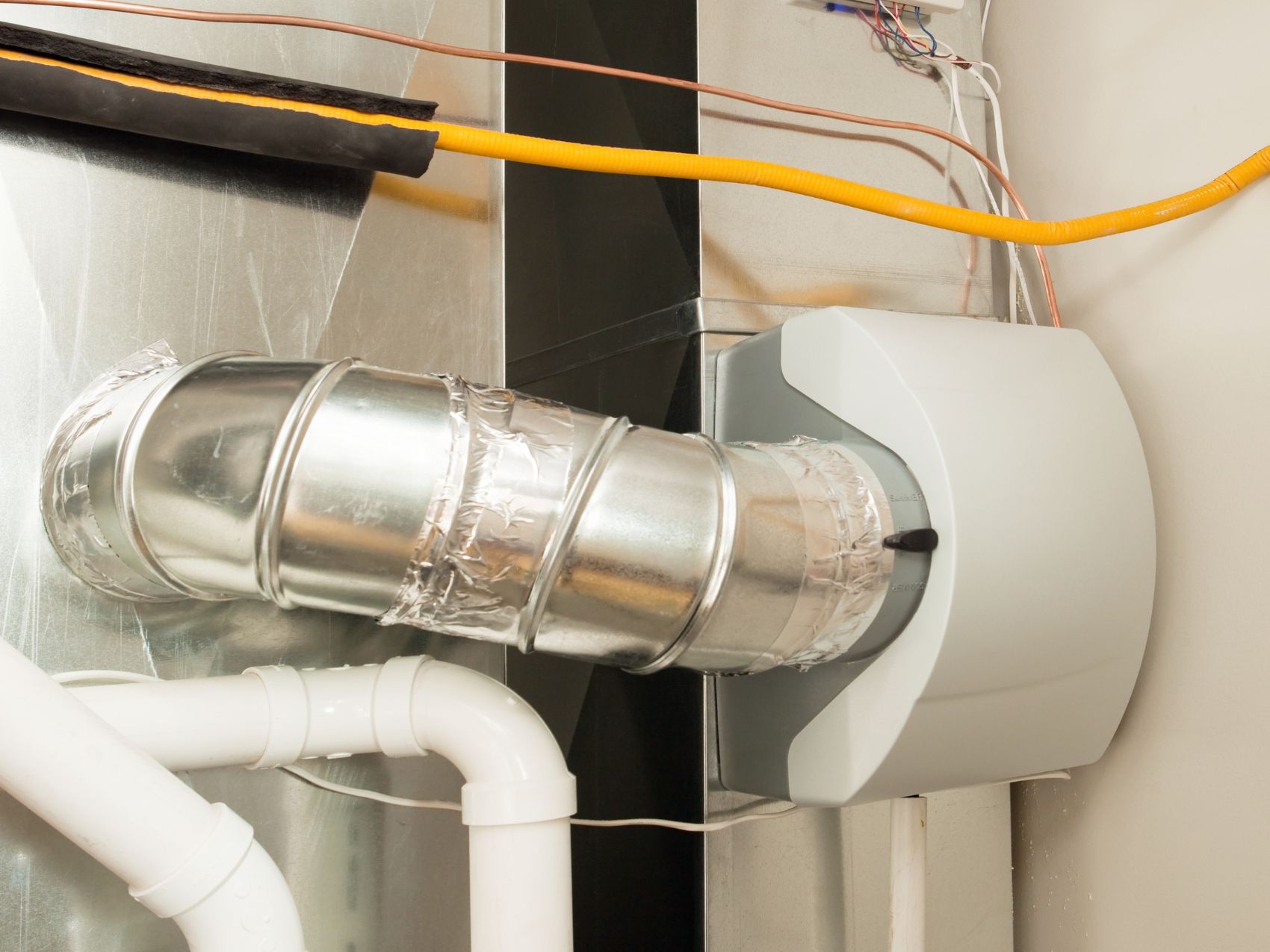
Whole house humidifiers are installed directly into your home’s heating and cooling system, allowing them to distribute moisture evenly through the air ducts. Unlike portable humidifiers, which require individual placement in rooms, whole house systems ensure consistent humidity levels across the entire living space. This integration not only enhances comfort but also contributes to the overall efficiency of your HVAC system.
Pros of Whole House Humidifiers
1. Consistent Humidity Levels
One of the most significant advantages of whole house humidifiers is their ability to maintain uniform humidity levels throughout your home. This consistency prevents dry air issues in specific rooms, ensuring that every occupant experiences a comfortable environment.
Even Distribution: Moisture is evenly dispersed, eliminating hotspots or dry zones.
Automated Control: Many systems come with humidistats, allowing for precise humidity settings that adjust automatically based on real-time measurements.
2. Enhanced Comfort and Health Benefits
Proper humidity levels are crucial for comfort and health. Whole house humidifiers help alleviate common issues associated with dry air, such as:
Respiratory Health: Reduces irritation in the respiratory tract, easing symptoms of asthma and allergies.
Skin Health: Prevents dry skin and reduces the occurrence of eczema flare-ups.
Comfort: Maintains a comfortable indoor climate, especially during the winter months when heating systems can dry out the air.
3. Protection of Home and Furnishings
Maintaining appropriate humidity levels safeguards your home and its contents from the adverse effects of dry air.
Wood Furniture and Flooring: Prevents cracking, warping, and other damage to wooden structures and furnishings.
Musical Instruments and Electronics: Protects sensitive items from the detrimental effects of fluctuating humidity.
Paint and Wallpaper: Reduces the likelihood of peeling paint and blistering wallpaper caused by dry air.
4. Energy Efficiency
Whole house humidifiers can contribute to the overall efficiency of your HVAC system.
Improved Heat Retention: Proper humidity levels make the air feel warmer, potentially allowing you to reduce your thermostat settings and lower energy consumption.
System Optimization: By maintaining optimal moisture levels, the HVAC system can operate more efficiently, reducing wear and tear and extending its lifespan.
5. Low Maintenance and Convenience
Modern whole house humidifiers are designed for ease of use and minimal maintenance.
Automatic Controls: Programmable settings and automated adjustments reduce the need for constant monitoring.
Integrated Systems: Since they are part of the HVAC system, there is no need to manage multiple units around the home.
Cons of Whole House Humidifiers
1. Higher Initial Cost
The upfront investment for a whole house humidifier is significantly higher compared to portable units.
Installation Costs: Professional installation is typically required, adding to the initial expense.
Equipment Price: The cost of the humidifier itself is higher due to its integration with the HVAC system and advanced features.
2. Installation Complexity
Installing a whole house humidifier is more complex than setting up a portable unit, often necessitating professional assistance.
Professional Installation Required: Ensures proper integration with the HVAC system but adds to the overall cost.
Potential Disruptions: Installation may require temporary adjustments or interruptions to your heating and cooling systems.
3. Maintenance Requirements
While generally low-maintenance, whole house humidifiers still require regular upkeep to function effectively.
Filter Changes: Regular replacement of filters is necessary to maintain air quality and system efficiency.
Cleaning: Periodic cleaning is essential to prevent mold and mildew growth within the system.
Professional Servicing: Annual maintenance by a professional may be recommended to ensure optimal performance.
4. Potential for Over-Humidification
Improperly set humidifiers can lead to excessive moisture levels, resulting in a host of problems.
Mold and Mildew Growth: High humidity can create an environment conducive to mold, which poses health risks and damages property.
Dust Mite Proliferation: Elevated humidity levels can increase dust mite populations, aggravating allergies and asthma.
Structural Damage: Persistent over-humidification may lead to issues like warped wood and compromised building materials.
5. Dependency on HVAC System
Whole house humidifiers are dependent on your HVAC system’s functionality and efficiency.
System Downtime Impact: If the HVAC system requires maintenance or repairs, the humidifier will also be affected, potentially disrupting humidity control.
Compatibility Issues: Not all HVAC systems are compatible with all types of whole house humidifiers, which may limit options or require system upgrades.
Comparing Whole House Humidifiers to Portable Units
To fully grasp the implications of choosing a whole house humidifier, it’s helpful to compare them with portable alternatives.
Portability vs. Integration
Whole House: Integrated into the HVAC system, offering comprehensive coverage and convenience.
Portable: Can be moved from room to room, providing flexibility but requiring multiple units for full-home coverage.
Cost Analysis
Whole House: Higher upfront costs but potentially lower long-term expenses due to system integration and energy efficiency.
Portable: Lower initial costs but may incur higher ongoing costs if multiple units are needed and maintained.
Maintenance Differences
Whole House: Centralized maintenance, often requiring professional servicing.
Portable: Easier for homeowners to manage, with simple filter changes and cleaning routines.
Efficiency and Effectiveness
Whole House: More efficient in maintaining consistent humidity levels and protecting the entire home environment.
Portable: Effective for specific areas but may leave other parts of the home dry.
Installing a Whole House Humidifier: What to Expect
Understanding the installation process can help you prepare and mitigate potential challenges.
Pre-Installation Assessment
A professional will evaluate your existing HVAC system to determine compatibility and identify the best placement for the humidifier.
Installation Steps
- System Integration: Connecting the humidifier to the HVAC system’s ductwork.
- Water Supply Connection: Linking the unit to a water source for continuous moisture delivery.
- Control Setup: Installing humidistats or integrating with smart home systems for automated control.
Timeframe and Disruption
Installation typically takes a few hours, depending on the complexity of your HVAC system and the specific type of humidifier being installed. Minimal disruption to daily routines is expected, but temporary adjustments to heating and cooling may be necessary.
Maintaining Optimal Humidity Levels
Achieving and maintaining the right humidity levels is crucial for maximizing the benefits of a whole house humidifier.
Ideal Humidity Range
Comfortable Levels: 30-50% relative humidity is generally considered ideal for most homes.
Health and Safety: Below 30% can cause dryness, while above 50% may lead to mold growth and other issues.
Monitoring and Adjustment
Regularly monitor humidity levels using built-in humidistats or external hygrometers. Adjust settings as needed to maintain the optimal range, especially during seasonal changes.
Cleaning and Maintenance Tips
Regular Filter Replacement: Change filters according to the manufacturer’s recommendations to ensure air quality and system efficiency.
System Cleaning: Periodically clean the humidifier components to prevent mineral buildup and mold growth.
Professional Inspections: Schedule annual inspections with a HVAC professional to identify and address any potential issues early.
Cleaning and Maintenance Tips
Selecting the appropriate humidifier for your home involves considering several factors to ensure it meets your specific needs.
Types of Whole House Humidifiers
- Evaporative Humidifiers: Utilize a fan to blow air through a wet wick filter, naturally evaporating water into the air.
- Steam Vaporizers: Heat water to create steam, which is then distributed through the ducts.
- Ultrasonic Humidifiers: Use ultrasonic vibrations to produce a fine mist, offering energy-efficient operation.
Capacity and Sizing
The humidifier should be appropriately sized based on your home’s square footage, the capacity of your HVAC system, and the typical humidity levels in your region.
Energy Efficiency
Look for models with high energy efficiency ratings to minimize operating costs and reduce environmental impact.
Features and Controls
Consider additional features such as:
Digital Controls: For precise settings and ease of use.
Automatic Shut-Off: Enhances safety by preventing over-humidification.
Integrated Filtration: Improves air quality by removing impurities from the water before distribution.
Cost Considerations
Understanding the financial implications is essential when deciding on a whole house humidifier.
Initial Investment
Unit Cost: Prices vary based on type, capacity, and features.
Installation Fees: Professional installation can add significantly to the total cost.
Operating Expenses
Energy Consumption: More efficient models can reduce long-term operating costs.
Maintenance Costs: Regular filter changes and potential professional servicing contribute to ongoing expenses.
Long-Term Savings
Proper humidification can extend the lifespan of your HVAC system and prevent costly repairs or replacements, offering potential long-term savings despite the higher initial cost.
Environmental Impact
Whole house humidifiers can influence your home’s environmental footprint in various ways.
Water Usage
Efficient systems minimize water waste, but it’s essential to consider local water availability and usage habits.
Energy Consumption
Energy-efficient models reduce electricity usage, lowering your home’s overall energy consumption and carbon footprint.
Indoor Air Quality
Maintaining optimal humidity levels enhances indoor air quality, contributing to a healthier living environment without the need for additional air purification systems.
Frequently Asked Questions
Are Whole House Humidifiers Worth the Investment?
For many homeowners, the benefits of consistent humidity levels, improved comfort, and protection of home furnishings and health make whole house humidifiers a worthwhile investment. However, the higher initial cost and maintenance requirements should be considered alongside your specific needs and budget.
How Long Do They Last?
With proper maintenance, whole house humidifiers can last between 10 to 15 years. Regular servicing and timely replacement of parts can extend their lifespan and ensure reliable performance.
Can I Install It Myself?
While some homeowners with technical expertise might attempt DIY installation, it is generally recommended to hire a professional. Proper integration with the HVAC system is crucial for optimal performance and to avoid potential issues.
What Maintenance is Required?
Maintenance typically includes regular filter changes, periodic cleaning of the system, and annual professional inspections. Following the manufacturer’s guidelines will help maintain efficiency and prevent problems such as mold growth.
How Do I Know If I Need a Humidifier?
Signs that your home may benefit from a humidifier include dry skin, irritated respiratory passages, static electricity, and visible damage to wooden furniture or instruments. Additionally, during winter months or in arid climates, maintaining proper humidity levels can significantly enhance comfort.
Making an Informed Decision
Choosing to install a whole house humidifier is a significant decision that can enhance your home’s comfort, protect your property, and improve your family’s health. By carefully weighing the pros and cons outlined in this guide, assessing your specific needs, and consulting with HVAC professionals, you can make a choice that aligns with your lifestyle and ensures a comfortable, healthy living environment year-round.
Ready to improve your home’s air quality and comfort? Contact us today to learn more about our whole house humidifier options and schedule a consultation with our HVAC experts.
Conclusion
Whole house humidifiers offer a robust solution for maintaining optimal humidity levels across your entire home, providing numerous benefits from enhanced comfort and health to protection of your furnishings and improved energy efficiency.
While they come with higher initial costs and require proper maintenance, the long-term advantages often outweigh these considerations. By understanding the pros and cons, you can determine whether a whole house humidifier is the right choice for your household and take the necessary steps to enjoy a healthier, more comfortable home environment.
For more information on whole house humidifiers and other HVAC solutions, explore our services or visit our blog for the latest tips and insights.
Ready to enhance your home’s air quality? Get a Free Quote today and discover the benefits of a whole house humidifier tailored to your needs.