Nothing disrupts the comfort of a cool, refreshing breeze quite like an unpleasant odor emanating from your air conditioner. Whether it’s a musty, sour, or even a peculiar funny smell, these odors can make your indoor environment uncomfortable and may hint at underlying issues with your AC unit. But fear not—eliminating these bad smells is entirely achievable with the right approach.
In this guide, we’ll walk you through effective solutions to banish unwanted odors from your air conditioner, helping you restore both the air quality and performance of your cooling system.
Understanding the Source of the Odor
Before diving into solutions, it’s essential to understand what might be causing your air conditioner to produce bad smells. Typically, the culprits include:
- Mold and Mildew Growth: Moist environments inside the AC unit can foster mold and mildew, leading to a musty odor.
- Dirty Filters: Accumulated dust and debris in filters can start emitting unpleasant smells.
- Clogged Drains: Blocked condensate drains can cause water to stagnate, promoting bacterial growth.
- Dead Animals: Occasionally, small pests might find their way into the AC, leading to decomposition odors.
- Burning Odors: Electrical issues or overheating components may result in a sour or burning smell.
Identifying the source is the first step in effectively eliminating the odor. Now, let’s explore the solutions.
Regular Maintenance: Your Best Defense
Regular maintenance is crucial for preventing bad smells and ensuring your AC operates efficiently.
Replace or Clean Filters
Dirty filters are often the primary source of bad odors. Here’s how to manage them:
- Check Monthly: Inspect your filters monthly, especially during peak usage seasons.
- Cleaning: Wash washable filters with warm water and mild detergent. Let them dry completely before reinstalling.
- Replacement: Replace non-washable filters every 1-3 months, depending on usage and environmental factors.
Clean the Coils
Accumulated dirt on the evaporator and condenser coils can contribute to odor problems.
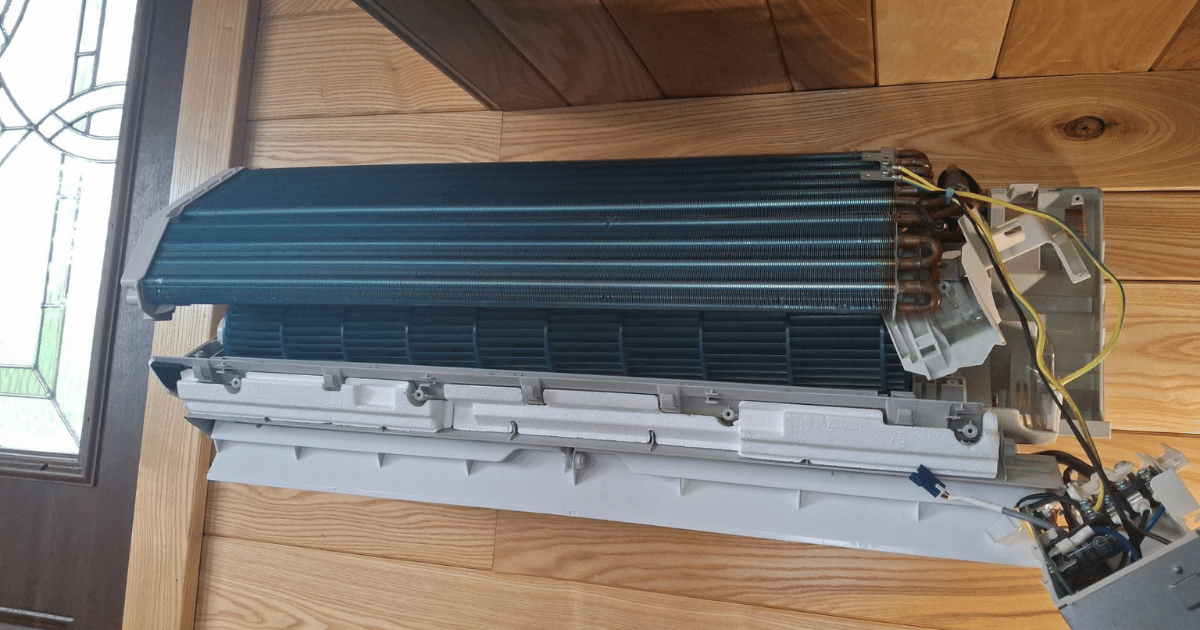
- Evaporator Coils: Located inside the indoor unit, these coils can attract mold and mildew. Clean them using a mixture of water and vinegar or a commercial coil cleaner.
- Condenser Coils: Found in the outdoor unit, these should be kept free of debris and dust. Use a garden hose to gently wash the coils, avoiding high pressure that might damage them.
Ensure Proper Drainage
A clogged condensate drain can cause water to stagnate, leading to bacterial growth.
- Inspect the Drain Line: Regularly check the drain line for blockages.
- Use a Drain Cleaner: Flush the drain line with a mixture of bleach and water to eliminate bacteria and algae.
Tackling Mold and Mildew
Mold and mildew thrive in the damp environment of an air conditioner.
Use a Mold-Busting Solution
- Vinegar Solution: Mix equal parts of white vinegar and water. Spray the solution onto the affected areas and let it sit for 15 minutes before wiping clean.
- Bleach Solution: For severe mold, a diluted bleach solution (1 part bleach to 10 parts water) can be effective. Use caution and ensure proper ventilation when using bleach.
Improve Airflow and Reduce Moisture
Enhancing airflow can help prevent mold growth.
- Use a Dehumidifier: Reducing humidity levels can inhibit mold and mildew development.
- Ensure Proper Ventilation: Make sure that vents are unobstructed and that air can circulate freely.
Cleaning and Disinfecting Your Air Conditioner
A thorough cleaning not only removes bad smells but also enhances the overall air quality.
Disinfect the Unit
- Use Disinfectants: Apply a disinfectant spray to the internal components of the AC unit. Ensure the unit is powered off before doing so.
- Regular Disinfection: Incorporate disinfection into your maintenance routine to keep the unit fresh.
Avoid Using Harsh Chemicals
Some chemicals can damage the components of your AC unit or leave a lingering smell.
- Stick to AC-Safe Cleaners: Use products specifically designed for air conditioners to avoid adverse effects.
Addressing Specific Odors
Different odors may require different approaches to elimination.
Musty Odors
Mostly caused by mold and mildew, tackling the moisture problem is key.
- Deep Clean the System: Ensure all parts are free from mold and mildew.
- Install UV Lights: Ultraviolet light systems can kill mold spores and bacteria, preventing musty smells.
Sour or Vinegar-like Odors
These can result from mildew growth on the evaporator coils.
- Clean Evaporator Coils: Thoroughly clean the coils to remove any biological growth.
- Replace Damaged Components: If the coils are severely damaged, consider replacing them.
Burning or Electrical Odors
These are often signs of overheating components or electrical issues.
- Turn Off the Unit: If you detect a burning smell, turn off the AC immediately to prevent damage or fire hazards.
- Seek Professional Help: Contact a qualified technician to inspect and repair the unit.
Preventive Measures for Long-Term Freshness
Prevention is always better than cure. Here are some ways to keep your AC smelling fresh in the long run.
Schedule Regular Professional Maintenance
- Annual Check-Ups: Have a professional technician inspect and service your AC unit at least once a year.
- Early Detection: Professionals can identify and fix issues before they escalate into odor problems.
Use High-Quality Filters
Investing in better filters can make a significant difference in air quality and odor control.
- HEPA Filters: These filters are highly effective at trapping particles that contribute to bad smells.
- Activated Carbon Filters: They can absorb odors and improve the overall air quality.
Install an Air Purifier
Adding an air purifier can help eliminate odors and improve the air quality in your home.
- Integrated Systems: Some AC units support integrated air purifiers for seamless operation.
- Standalone Units: Alternatively, use a portable air purifier to enhance your indoor air quality.
When to Replace Your Air Conditioner
Sometimes, persistent odor issues may indicate that it’s time to replace your unit.
Signs It’s Time for a Replacement
- Frequent Issues: Continual odor problems despite regular maintenance.
- Old Age: AC units older than 10-15 years may start to deteriorate, leading to various issues, including bad smells.
- High Energy Bills: Inefficiency in older units can lead to increased energy consumption alongside odor problems.
Benefits of a New Air Conditioner
- Improved Air Quality: Newer models come with advanced filtration and purification systems.
- Enhanced Performance: Better cooling efficiency with reduced likelihood of odor problems.
- Energy Efficiency: Modern AC units consume less power, saving you money on energy bills.
DIY Tips for Immediate Odor Removal
While professional maintenance is crucial, here are some DIY tips you can implement immediately to tackle bad odors.
Use Baking Soda
Baking soda is a natural deodorizer that can help neutralize unpleasant smells.
- Sprinkle in Filters: Lightly sprinkle baking soda on your AC filters before replacement.
- Place Bowls in the Room: Set out bowls of baking soda near the AC unit to absorb odors.
Essential Oils
A pleasant scent can mask unwanted odors temporarily.
- Add to Filters: Place a few drops of your favorite essential oil on the filters.
- Use Diffusers: Pair your AC operation with the use of essential oil diffusers for a refreshing aroma.
Regularly Clean Surrounding Areas
Dust and debris around the AC unit can contribute to bad smells.
- Vacuum Vents: Use a vacuum cleaner with a brush attachment to clean vents and grilles.
- Wipe Surfaces: Regularly wipe down the exterior surfaces of the AC unit to remove dust.
The Importance of Timely Action
Ignoring bad smells from your air conditioner can lead to more significant problems down the line.
Health Implications
Poor air quality can exacerbate allergies, asthma, and other respiratory issues.
- Allergens: Mold, mildew, and dust can trigger allergic reactions and respiratory problems.
- Bacteria: Stagnant water and dirty components can harbor harmful bacteria.
System Efficiency
Unpleasant odors often indicate that your AC unit is not functioning optimally.
- Reduced Cooling Efficiency: Blocked filters and dirty coils can impair the unit’s ability to cool effectively.
- Increased Energy Consumption: Inefficient operation can lead to higher energy bills.
Professional Solutions for Persistent Odors
If DIY methods aren’t solving the problem, it might be time to seek professional help.
Comprehensive Cleaning Services
Professional HVAC technicians can perform deep cleaning that goes beyond what typical DIY methods offer.
- Detailed Inspection: Identify hidden sources of odor that may not be apparent.
- Specialized Cleaning: Use industrial-grade cleaners and equipment to thoroughly cleanse the AC unit.
Mold Remediation
For severe mold issues, professional remediation ensures thorough removal and prevention.
- Safe Removal: Technicians follow safety protocols to remove mold without spreading spores.
- Preventive Treatments: Apply treatments that inhibit future mold growth.
Component Replacement
Sometimes, odors persist because of damaged or worn-out components.
- Replacing Filters: Professional-grade filters can be installed for better performance.
- Sealing Leaks: Fix any leaks that could be allowing moisture into the system.
Enhancing Your Indoor Air Quality
Beyond eliminating bad smells, improving your overall indoor air quality can provide a healthier living environment.
Use Air Quality Monitors
Monitor your indoor air quality to keep track of pollutants and odors.
- Real-Time Data: Get instant feedback on air quality levels, enabling proactive action.
- Smart Integration: Many monitors can integrate with smart home systems for automated responses.
Incorporate Houseplants
Certain houseplants can naturally improve air quality by absorbing pollutants.
- Best Air-Purifying Plants: Consider plants like spider plants, peace lilies, and snake plants.
- Placement: Position them near air vents to maximize their air-purifying benefits.
Optimize Ventilation
Proper ventilation ensures that stale air is regularly replaced with fresh outdoor air.
- Use Exhaust Fans: In kitchens and bathrooms, use exhaust fans to reduce moisture and odors.
- Open Windows: When weather permits, open windows to allow fresh air circulation.
Final Thoughts
A foul-smelling air conditioner can be more than just a nuisance—it can be a sign of deeper issues affecting your indoor air quality and the efficiency of your cooling system. By understanding the sources of bad odors and implementing effective solutions, you can restore a fresh and comfortable environment in your home or office. Regular maintenance, proper cleaning, and timely professional intervention are key to preventing and eliminating unwanted smells from your air conditioner.
Don’t let bad odors compromise your comfort and health. Follow these steps to ensure your AC unit remains clean, efficient, and odor-free, providing you with the refreshing air you deserve. And remember, when in doubt, reach out to our expert team for professional assistance to keep your air conditioner running smoothly and your space smelling fresh.