Radon is a silent but serious threat that affects many homes in Waverly, Iowa. As an invisible, odorless, and tasteless gas, radon can accumulate to dangerous levels without any noticeable signs. Understanding radon, its health risks, and the necessary safety measures is crucial for every homeowner in Waverly. This comprehensive overview delves into the nature of radon, the potential health risks it poses, and the effective mitigation techniques available to ensure a safe living environment.
What is Radon?
Radon is a naturally occurring radioactive gas produced by the decay of uranium in soil, rock, and water. It is the second leading cause of lung cancer in the United States, responsible for thousands of deaths each year. Radon typically enters buildings through cracks in the foundation, gaps around pipes, and other openings. Because radon is a gas, it can move freely through the air, making it easy for it to invade homes and buildings.
Radon Levels in Waverly, Iowa
Waverly, like many other regions, is susceptible to elevated radon levels due to its geological makeup. The state of Iowa has varying radon zones, and Waverly falls within an area where testing and mitigation are particularly important. Understanding the specific radon levels in your home is the first step toward ensuring the safety of your family.
Health Risks Associated with Radon Exposure
Exposure to high levels of radon gas significantly increases the risk of developing lung cancer. The risk is particularly high for smokers and individuals with a history of smoking. However, non-smokers are also at risk of radon-induced lung cancer. There is no safe level of radon exposure, making it imperative to monitor and mitigate radon levels in your home.
Key Health Risks:
- Lung Cancer: Radon is the second leading cause of lung cancer after smoking.
- Respiratory Issues: Prolonged exposure can lead to chronic respiratory problems.
- Additive Effects: Combined with smoking, radon exposure exponentially increases cancer risk.
How Radon is Measured
Accurately measuring radon levels in your home is essential. There are two primary methods for testing radon:
- Short-Term Testing: Typically lasts from 2 to 7 days. Best conducted during the heating season for more accurate results.
- Long-Term Testing: Lasts from 90 days to one year. Provides a more comprehensive average of radon levels.
Testing Process:
- Step 1: Choose a reliable testing kit or hire a certified professional.
- Step 2: Place the testing device in the lowest livable area of your home, away from drafts and high humidity.
- Step 3: Follow the kit instructions or allow the professional to conduct the test.
- Step 4: Analyze the results to determine if mitigation is necessary.
Radon Mitigation Techniques
If testing reveals elevated radon levels (4 picocuries per liter or higher), mitigation is necessary to reduce the concentration to safe levels. Several effective radon mitigation techniques are available:
Active Soil Depressurization (ASD)
This is the most common and effective method for reducing radon levels.
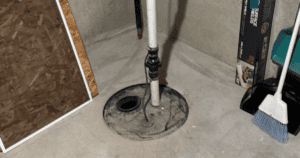
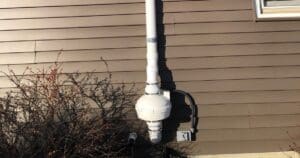
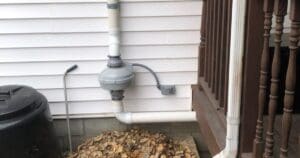
- How It Works: A fan is installed to draw radon from beneath the home and vent it outside.
- Components: PVC piping, a fan, and a vent pipe.
- Installation: Typically takes a few hours and is minimally invasive.
Sealing Cracks and Openings
While not sufficient on its own, sealing cracks in floors and walls can enhance the effectiveness of other mitigation methods.
- Materials Used: Caulk, epoxy, and expanding foam.
- Benefits: Reduces radon entry points, improving overall mitigation efficiency.
Ventilation Systems
Increasing ventilation in the home can help reduce radon levels.
- Types:
- Natural Ventilation: Opening windows and vents to allow fresh air circulation.
- Mechanical Ventilation: Installing fans to enhance air exchange.
Safety Measures for Homeowners
Taking proactive steps can significantly reduce radon exposure in your home. Here are some essential safety measures:
- Regular Testing: Periodically test your home, especially if you make significant home improvements.
- Proper Ventilation: Ensure that your home is well-ventilated, particularly in areas below ground level.
- Maintenance of Mitigation Systems: Regularly inspect and maintain any installed mitigation systems to ensure they are functioning correctly.
- Stay Informed: Keep up-to-date with the latest radon research and guidelines from reputable sources like the EPA.
Cost of Radon Mitigation
The cost of radon mitigation varies based on the size of the home, the type of mitigation system installed, and the specific radon levels detected. On average, homeowners in Waverly can expect to spend between $800 and $1,500 for effective radon mitigation solutions. Investing in mitigation not only ensures the health and safety of your family but can also increase the value of your home.
The Importance of Professional Radon Services
While DIY testing and mitigation are possible, hiring certified professionals ensures accurate testing, effective mitigation, and long-term safety. Professional radon service providers offer:
- Expertise: In-depth knowledge of radon behavior and mitigation techniques.
- Accurate Testing: Use of advanced equipment for precise radon level measurement.
- Quality Installation: Proper installation of mitigation systems to ensure maximum effectiveness.
- Post-Mitigation Testing: Verification that radon levels have been successfully reduced.
Local Resources and Support in Waverly
Residents of Waverly have access to various local resources to assist with radon testing and mitigation:
- State Health Departments: Provide guidelines and occasionally subsidized testing kits.
- Local Contractors: Certified radon mitigation professionals who understand the specific needs of homes in Waverly.
- Community Workshops: Educational sessions on radon awareness and safety measures.
Frequently Asked Questions (FAQs)
What is the safe level of radon?
The EPA recommends taking action to reduce radon levels in homes that exceed 4 picocuries per liter (pCi/L).
How often should I test my home for radon?
It’s recommended to test your home every two years, or after any major renovation, addition, or change in the ventilation system.
Can radon levels fluctuate?
Yes, radon levels can fluctuate based on factors like weather, season, and changes in the home structure.
Is radon more dangerous for certain groups?
Smokers and former smokers are at higher risk of lung cancer from radon exposure compared to non-smokers.
How long does radon mitigation last?
With proper maintenance, radon mitigation systems can effectively reduce radon levels for many years. Regular inspections are recommended to ensure continued effectiveness.
Taking Action: Protect Your Home Today
Ensuring your home is free from high radon levels is a proactive step toward safeguarding your family’s health. Here’s how you can take action today:
- Get Tested: Use a certified radon test kit or hire a professional to measure the radon levels in your home.
- Consult Experts: If high levels are detected, contact a certified radon mitigation service to discuss the best solution for your home.
- Implement Safety Measures: Follow recommended safety practices to maintain low radon levels in your living environment.
- Stay Informed: Keep abreast of new developments and guidelines related to radon safety.
Why Choose Us for Your Radon Needs in Waverly
Selecting the right partner for radon testing and mitigation is crucial. Here’s why our company stands out:
- Certified Professionals: Our team consists of certified radon experts with years of experience in the Waverly area.
- Comprehensive Services: From testing and evaluation to installation and maintenance of mitigation systems, we offer complete solutions.
- Customer Satisfaction: We prioritize our clients’ safety and satisfaction, ensuring top-notch service every step of the way.
- Affordable Pricing: Quality radon services at competitive prices, with financing options available.
- Local Expertise: Deep understanding of the specific radon challenges faced by Waverly homeowners.
Understanding Building Codes and Radon
Building codes in Waverly, Iowa, increasingly recognize the importance of radon mitigation. New constructions are often required to include radon-resistant features, such as:
- Active Soil Depressurization Systems: Pre-installed systems ready for activation if needed.
- Sealing of Cracks and Openings: Reducing potential entry points for radon gas.
- Ventilation Requirements: Ensuring adequate air exchange to minimize radon accumulation.
For existing homes, retrofitting these features can significantly reduce radon levels and enhance overall home safety.
The Future of Radon Safety in Waverly
As awareness of radon risks grows, so does the commitment to ensuring safe living environments in Waverly. Ongoing research and advancements in mitigation technologies promise even more effective and affordable solutions. Collaborative efforts between homeowners, professionals, and local authorities will continue to strengthen radon safety measures, making Waverly a safer place to live.
Conclusion
Radon poses a significant health risk to homeowners in Waverly, Iowa. By understanding the nature of radon, regularly testing your home, and implementing effective mitigation strategies, you can protect your family from its harmful effects. Partnering with certified professionals ensures that your home remains a safe and healthy environment for years to come.
Take the first step toward a safer home today.