Radon gas is a naturally occurring radioactive substance that can seep into your home and pose significant long-term health risks. Understanding how a professional radon mitigation installation unfolds can help homeowners make informed decisions and ensure that the system installed is effective.
This guide walks you through each step of the process, from initial inspection to final system testing, so you can have confidence in the work being done and know what to expect when you hire a professional radon mitigation contractor.
Overview of the Process
Professional radon mitigation follows a systematic approach, ensuring every detail is addressed. The complete process is typically divided into several stages:
- Pre-Installation Inspection and Consultation
- Customized System Design
- Installation and Construction
- System Testing and Commissioning
- Post-Installation Follow-Up and Maintenance
Each stage is designed to maximize efficacy and minimize disruption to your daily routine while prioritizing the safety and comfort of your household.
Stage 1: Pre-Installation Inspection and Consultation
The first crucial step is the initial consultation. During this phase, certified professionals should perform a thorough radon measurement and inspection of your home.
What to Expect:
1. Detailed Radon Testing
- Short-term and long-term radon testing to determine the radon level in your home
- Use of high-precision equipment to ensure accurate results
- Testing duration typically ranges from 48 hours to 90 days depending on the method
2. Comprehensive Home Assessment
- Inspection of the home’s foundation, crawl space, basement, and areas where radon infiltration is likely
- Assessment of ventilation and air flow to identify additional areas of concern
- Evaluation of existing HVAC systems and their potential impact on radon levels
3. Professional Consultation
- Review of test results with detailed explanations
- Discussion of your home’s specific radon challenges
- Recommendations tailored to your property’s unique characteristics
Questions to Ask Your Contractor:
- What are my current radon levels compared to EPA guidelines?
- What factors in my home contribute to radon infiltration?
- What mitigation approach do you recommend and why?
Stage 2: Customized System Design
Once the assessment is complete and radon levels are identified, qualified engineers should design a custom mitigation system. This design process is critical to ensuring long-term success.
Key Elements in System Design:
Foundation Analysis
- Determining optimal suction points based on your home’s foundation layout
- Identifying the most effective pipe routing through your home
- Considering aesthetic impact and accessibility for maintenance
System Capacity Planning
- Calculating the required capacity of the mitigation fan
- Determining appropriate pipe diameter and length
- Planning for adequate airflow to achieve target radon reduction
Safety and Monitoring Integration
- Including pressure monitoring systems
- Planning for proper electrical connections and safety shut-offs
- Designing for easy system monitoring and maintenance access
What Makes a Good Design:
- Efficiency: Maximized radon reduction with minimal energy consumption
- Adaptability: Works with your home’s unique architectural features
- Reliability: Components properly matched to your home’s requirements
- Aesthetics: Minimally invasive installation that doesn’t detract from your property
Design Principles:
- Based on scientific airflow principles and field-tested methods
- Incorporates industry best practices and local building codes
- Tailored to deliver consistent performance over time
Stage 3: Installation and Construction
With a finalized design, the installation team begins construction. This phase should ensure minimal disruption while guaranteeing correct installation of every component.
Typical Installation Workflow:
1. Site Preparation
- Protecting your home’s interior and exterior during work
- Setting up safety protocols for both workers and residents
- Marking utility lines and obtaining necessary permits
2. Foundation Work
- Creating suction points through foundation slabs or basement floors
- Installing sub-slab depressurization systems where appropriate
- Ensuring proper sealing around all penetrations
3. Pipe Installation
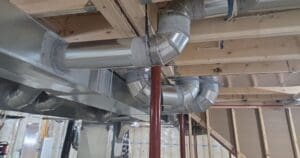
- Routing suction pipes from foundation to exterior exit point
- Securing pipes properly to prevent movement or damage
- Maintaining appropriate slope for condensation drainage
4. Fan and Electrical Installation
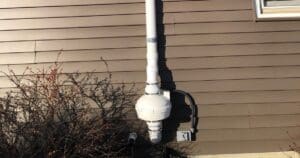
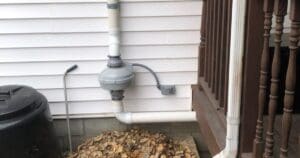
- Mounting the radon fan in an appropriate location (usually exterior or in attic)
- Completing electrical connections according to local codes
- Installing system monitoring devices and warning systems
5. Sealing and Finishing
- Sealing all cracks, gaps, and potential radon entry points
- Restoring disturbed areas to original condition
- Cleaning up all construction debris
What Good Installation Looks Like:
- Professional appearance: Clean, straight pipe runs and proper mounting
- Code compliance: All work meets local building and electrical codes
- Minimal disruption: Thoughtful routing that preserves your home’s aesthetics
- Quality materials: Durable, appropriate materials for long-term performance
Stage 4: System Testing and Commissioning
After installation, rigorous testing ensures the system functions correctly and effectively reduces radon levels.
Testing Components:
1. System Performance Evaluation
- Measuring airflow and pressure levels throughout the system
- Verifying all components work together harmoniously
- Checking electrical connections and safety features
2. Initial Effectiveness Testing
- Conducting immediate post-installation radon measurements
- Comparing results to pre-installation levels
- Making adjustments if initial results don’t meet expectations
3. Homeowner Education
- Walk-through of the newly installed system
- Explanation of system operation and normal sounds/indicators
- Training on basic monitoring and when to call for service
Performance Standards:
- Systems should reduce radon levels to below 4 pCi/L (EPA action level)
- Many quality installations achieve levels below 2 pCi/L
- System should operate quietly and efficiently
What You Should Receive:
- Written documentation of system performance
- Operating instructions and maintenance schedule
- Warranty information for both labor and materials
- Contact information for future service needs
Stage 5: Post-Installation Follow-Up and Maintenance
Professional radon mitigation doesn’t end with installation. Ongoing maintenance ensures your system continues performing optimally.
Typical Maintenance Services:
Regular Inspections
- Annual or bi-annual system performance checks
- Visual inspection of all components for wear or damage
- Verification that fans, pipes, and seals remain intact
Performance Monitoring
- Periodic radon testing to confirm continued effectiveness
- System pressure monitoring to detect potential issues
- Fan performance evaluation and maintenance
System Updates
- Component replacement as needed due to normal wear
- Technology upgrades when beneficial improvements become available
- Adjustments based on home modifications or changing conditions
Homeowner Responsibilities:
- Monthly visual checks of exterior components
- Listening for changes in fan operation
- Scheduling recommended professional maintenance
- Conducting periodic radon testing as recommended
Understanding Radon and Health Risks
What is Radon?
Radon is a naturally occurring radioactive gas that comes from the decay of uranium in soil, rock, and water. It’s colorless, odorless, and tasteless, making it impossible to detect without proper testing.
Health Concerns
- Radon is the second leading cause of lung cancer after smoking
- Risk increases with higher concentrations and longer exposure times
- No safe level exists, but risk is significantly reduced below 4 pCi/L
- Even non-smokers face increased lung cancer risk from radon exposure
Why Mitigation Matters
- Early intervention significantly reduces long-term health risks
- Effective mitigation provides peace of mind for families
- Proper systems can reduce radon levels by 85-99%
- Investment in mitigation protects both health and property value
Financial Considerations
System Costs
- Professional radon mitigation typically ranges from $1,200 to $2,500
- Cost varies based on home size, foundation type, and system complexity
- Quality installation is an investment in long-term health and safety
Potential Incentives
- Some localities offer rebates or financial assistance programs
- Tax incentives may be available in certain areas
- Improved home value and marketability
- Reduced long-term healthcare costs
Warranty and Insurance
- Reputable contractors offer comprehensive warranties
- Coverage should include both materials and labor
- Some systems include performance guarantees
- Verify contractor licensing and insurance coverage
Choosing the Right Contractor
Essential Qualifications
- State certification or licensing for radon mitigation
- National Radon Proficiency Program (NRPP) or National Radon Safety Board (NRSB) certification
- Proper insurance coverage and bonding
- Local references and proven track record
Questions to Ask Potential Contractors
- How long have you been performing radon mitigation?
- Can you provide local references from recent customers?
- What certifications do you and your technicians hold?
- What warranty do you offer on your work?
- Will you provide a written estimate and timeline?
Red Flags to Avoid
- Door-to-door solicitation or high-pressure sales tactics
- Significantly lower bids than other qualified contractors
- Lack of proper licensing or insurance
- Unwillingness to provide references or documentation
- Promises of unrealistic results or timelines
Frequently Asked Questions
How long does installation typically take?
Most installations are completed in one day, though complex homes may require additional time.
Will the system be noisy?
Quality installations operate quietly, similar to a bathroom exhaust fan.
How much will it cost to operate?
Most radon fans consume about as much electricity as a 75-watt light bulb, costing $100-150 per year.
Can I install a system myself?
While DIY kits exist, professional installation is recommended for optimal performance and warranty coverage.
What maintenance is required?
Systems require minimal maintenance: primarily annual inspections and occasional fan replacement after 10-15 years.
Will mitigation affect my home’s resale value?
A properly installed system often increases home value by demonstrating proactive health and safety measures.
Final Thoughts
Radon mitigation is a proven, effective way to protect your family’s health and increase your home’s safety. Understanding the installation process helps you make informed decisions and ensures you receive quality service.
The key to successful radon mitigation lies in working with qualified professionals who follow established protocols, use quality materials, and provide ongoing support. With proper installation and maintenance, your radon mitigation system will provide decades of reliable protection.
Remember that radon testing and mitigation are investments in your family’s long-term health and safety. The peace of mind that comes from knowing your home’s air is safe is invaluable.
Take Action: If you suspect your home may have elevated radon levels, start with professional testing. Early detection and mitigation are the keys to maintaining a healthy living environment for you and your family.