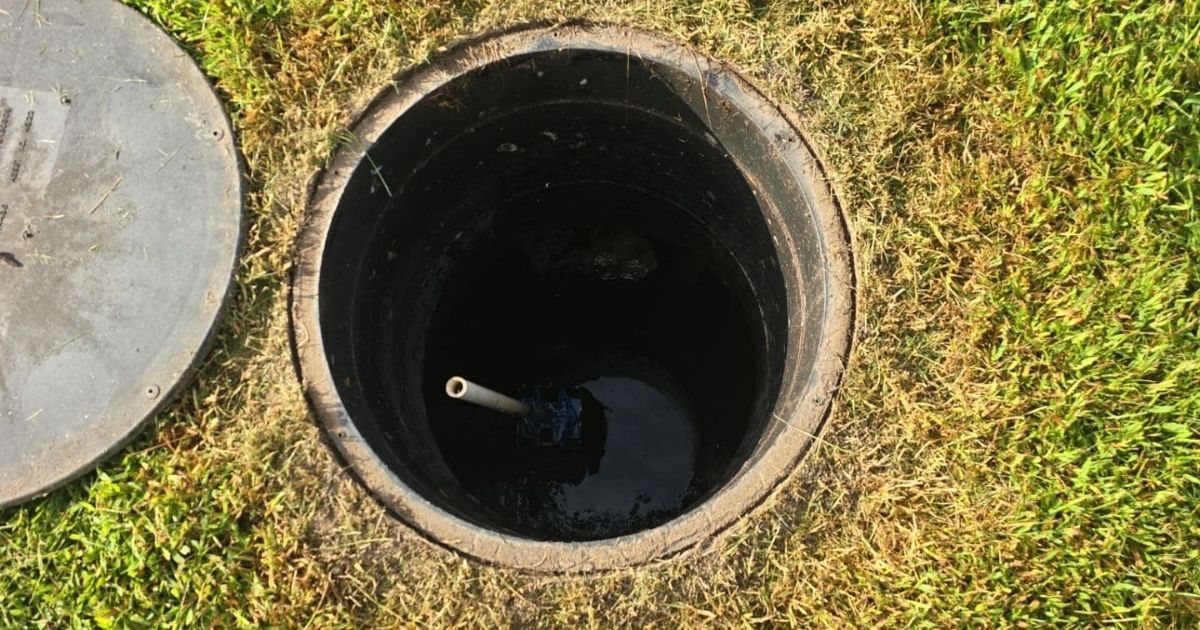
Septic systems play an essential role for many homeowners, serving as self-contained wastewater treatment facilities that handle household waste on-site. While these systems are designed to work reliably for decades when properly maintained, failures do occur.
In this comprehensive guide, we will delve into the common causes of septic system failure, explain the warning signs you should never ignore, and offer preventative maintenance tips to protect your home and avoid costly repairs. In addition, you’ll find recommendations on when it’s time to call in the experts and details on what to expect during professional inspections.
Understanding Septic Systems
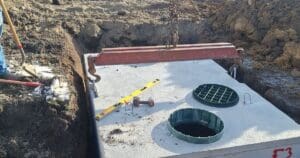
Before discussing what primarily causes septic system failures, it is important to review the basics of how a septic system works. A typical septic system consists of three core components:
- The septic tank
- The drain field (or leach field)
- The surrounding soil
When wastewater flows from your home into the septic tank, heavy solids settle at the bottom (sludge) and lighter materials, such as grease, float to the top (scum). Bacteria within the septic tank begin to break down these solids. The clarified liquid in the middle then flows into the drain field, where it is naturally filtered and dispersed into the soil, undergoing further treatment.
When every part of this process works as intended, your home remains healthy and waste is effectively managed underground. Modern septic systems are built to last, but like any mechanical system, they require proper care. For many homeowners, routine septic maintenance – including regular inspections and pumping – is crucial. Unfortunately, neglecting this care is recognized as the number one cause of septic system failure.
The Common Culprit: Neglected Maintenance
Though several factors can lead to septic system failure, the most common underlying issue is a lack of regular maintenance. When homeowners ignore routine inspections and pumping schedules, solids build up in the septic tank over time. This buildup reduces the system’s capacity to separate new waste from the sludge that has accumulated, which, in turn, can cause solids to flow into the drain field.
Once these solids infiltrate the drain field, they risk clogging the soil pores responsible for filtering contaminants. The result is system backup, foul odors, and possible environmental hazards.
Key Points About Maintenance Neglect:
- Neglected pumping and maintenance can reduce the effective volume of your septic tank, leading to overload
- Buildup in the tank encourages the formation of scum layers that mix with liquids, hindering proper separation
- Clogged drain fields may result in untreated wastewater surfacing in yards or pooling around the system
- Frequent shortcuts, like using harsh chemicals designed to break down waste, can actually damage the beneficial bacteria essential for proper septic function
It is not uncommon for septic systems to function without visible issues until a critical point is reached. Many homeowners mistakenly treat their septic system as “set it and forget it,” resulting in problems that often require extensive – and expensive – repairs. A proactive approach to septic care can save you time, money, and potential environmental liabilities.
Other Contributing Factors to Septic System Failure
While neglected maintenance stands as the primary cause, several other factors contribute to septic system failure in ways that compound the problem. Think of these factors as accelerators that worsen an already stressed system:
1. Overloading the System
- Excess water from long showers, heavy laundry loads, or clogged gutters can overload your septic system
- Overuse may not allow enough time for the tank to settle, resulting in less effective separation of solids and liquids
- Water that bypasses proper treatment increases the risk of contaminating your drain field and local groundwater
2. Inappropriate Items Flushed or Disposed
- Non-biodegradable items, excessive toilet paper, grease, and harsh chemicals can disrupt bacterial activity
- Items such as wipes, feminine hygiene products, and medications should never be flushed as they can accumulate and block pipes
- Chemical drain cleaners may seem effective in the short-term, but they also harm the bacterial balance inside your septic tank, reducing its ability to treat waste
3. Poor Installation or Aging Systems
- A septic system installed without adequate planning or sizing for your property may struggle from day one
- Natural soil variation, site conditions, and poor construction can also contribute to premature system failure
- As septic systems age, even slight neglect becomes more consequential, increasing the risk of backups and system degradation
4. Damage to the Drain Field
- The drain field is particularly vulnerable if heavy vehicles are driven over it or if the field is used as an extra parking area
- Root intrusion from nearby trees can also damage the distribution network, causing blockages
- Soil saturation due to excessive water usage or heavy rains can create conditions in which the drain field cannot properly treat wastewater
Warning Signs to Watch For
Recognizing the early warning signs of septic system problems is critical to avoiding full-blown system failure. Timely intervention can prevent further damage and extensive repair work. Some common indicators to be aware of include:
Slow Drains and Backups
If you notice water pooling in sinks, bathtubs, or toilets after a waste discharge, it may be an early sign that your tank is overflowing or your drain field is clogged.
Unpleasant Odors
Foul smells around the septic tank or near the drain field typically appear when the system is not functioning efficiently, often due to a buildup in the tank.
Moist or Discolored Ground
Consistent wet patches or unusual discoloration in your yard, particularly above the drain field, can indicate that wastewater is seeping out.
Sudden Increase in Water Usage
In some cases, an unexpected spike in water bills may suggest that your septic system is not managing waste correctly, leading to leaks or inefficient processing.
Pooling Water After Rainfall
Excessive groundwater or heavy rain can worsen septic system issues, and pooling water in the septic area could signal that your drain field is overwhelmed.
Important: If any of these warning signs appear, it is essential that you take immediate action by consulting with service professionals who specialize in septic system management. Early detection and corrective maintenance can significantly reduce the risk of a complete system failure.
Preventative Maintenance Tips
Regular maintenance is the best defense against septic system failure. Here are practical tips that every homeowner with a septic system should consider:
Schedule Routine Inspections and Pumping
- It is generally recommended to have your septic tank inspected every one to three years, depending upon system usage, tank size, and the age of your system
- A professional inspection can reveal issues such as cracks, leaks, or improper connections before they escalate
- Regular pumping helps remove the buildup of sludge and scum, ensuring your septic system continues to function efficiently
Conserve Water
- Reducing water usage can alleviate stress on your septic system
- Consider installing water-saving appliances and fixtures
- Spread out laundry loads and consider reusing greywater for non-potable applications when local regulations allow
Avoid Flushing Inappropriate Items
- Only flush human waste and toilet paper. Refrain from flushing wipes, medications, feminine hygiene products, and other non-degradable items
- Use septic-safe household cleaning products. This helps preserve the natural bacterial environment within your septic tank, which is essential for breaking down waste
Protect the Drain Field
- Keep vehicle traffic off the drain field to prevent soil compaction
- Use landscaping that won’t impede natural drainage. Avoid growing trees or large shrubs near the system to reduce the risk of root intrusion
- Ensure that gutters and downspouts direct roof water away from the drain field. Excess water pooling can saturate the soil and diminish the effectiveness of the field’s treatment capabilities
Monitor Chemical Usage
- Refrain from using harsh chemicals that can upset the bacterial balance in your septic tank
- Instead, opt for septic-safe cleaning agents that protect the microorganisms critical to waste breakdown
Educate Your Household
- Ensure that everyone in the home understands what can and cannot be disposed down the drain
- Place clear signage or guidelines near indoor plumbing fixtures to remind family members and guests about proper use
Step-by-Step Actions When Problems Arise
Despite your best efforts at routine maintenance, septic issues may still develop over time. When you suspect that your septic system is not performing adequately, consider taking the following actions:
1. Conduct a Preliminary Assessment
- Take note of any unusual odors, damp spots, or sewage backups
- Keep a record of any changes in water usage or drainage patterns, as these details can be valuable diagnostic clues for professionals
2. Do Not Attempt DIY Fixes
- Septic systems are complex, and improper repairs may worsen the situation
- Avoid pouring chemicals down drains in an attempt to unclog or treat the buildup; these efforts may irreparably harm the system’s bacterial balance
3. Contact a Qualified Septic Service
- Engage with professionals who have extensive experience in septic system diagnosis and repair
- A reputable service provider will perform a thorough inspection, recommend corrective measures, and provide you with a maintenance plan tailored to your system’s needs
If you’ve noticed any warning signs or suspect your septic system might be failing, contact our team of septic experts for a comprehensive evaluation and maintenance appointment.
4. Follow Professional Recommendations
- Once the problem has been identified, follow through on all recommended repairs or services
- Document the work done and maintain detailed records of future inspections and pumping dates to help track the health of your septic system
Understanding the Long-Term Benefits of Regular Maintenance
Investing in regular septic system care is not merely a cost—it’s an investment in the longevity and functionality of one of your home’s most critical systems. Consider these long-term benefits:
Cost Savings
Regular inspections and routine pumping are relatively inexpensive compared to the high cost of replacing a failed septic system or repairing extensive damage.
Property Value
A well-maintained septic system is a significant asset, especially when it comes time to sell your property. Prospective buyers are more likely to invest in a home with a documented maintenance history for its septic system.
Environmental Protection
Proper septic system function plays a crucial role in protecting local water resources and reducing the potential for environmental contamination.
Peace of Mind
Knowing that your septic system is regularly serviced offers reassurance that you’re mitigating potential issues before they escalate into emergencies.
Embracing a Preventative Mindset
Routine maintenance combined with a preventative mindset is key to keeping your septic system in optimal condition. Like any infrastructure, regular care and professional attention will stave off the most common causes of failure—especially those related to simple neglect.
By treating your septic system as an integral part of your home’s overall well-being, you can enjoy the peace of mind that comes with knowing that your property is protected from unexpected failures that can disrupt daily living and strain your finances.
Enhancing Your Home’s Longevity with Professional Guidance
Working with specialists on septic system maintenance is not a luxury—it’s a necessity for maximizing your investment in home infrastructure. Our team of experienced professionals is equipped to guide you through every step of maintenance, from initial inspection to long-term upkeep. We combine expert advice with state-of-the-art diagnostic tools to ensure your system continues to operate safely and efficiently.
Do not wait until a minor issue becomes a major repair. Contact us today to schedule a comprehensive septic system evaluation, and let our certified experts help you design a customized maintenance plan that safeguards your home’s future.
Final Thoughts
In conclusion, while many factors can lead to septic system failure, the most common and preventable cause is the lack of regular maintenance. Neglected inspections and infrequent pumping result in the buildup of solids, clogging of the drain field, and eventual system failure. It is essential to be aware of the warning signs, adhere to recommended maintenance protocols, and resist the temptation to cut corners with harsh chemicals or improper disposal practices.
Your septic system is a vital component of your home’s infrastructure, directly impacting both household hygiene and environmental safety. By following the preventative measures outlined in this guide, you can ensure a longer lifespan for your system, avoid the disruptive and expensive consequences of failure, and maintain the overall health of your property.
Ready to safeguard your septic system? Contact our expert team to arrange a detailed inspection, receive personalized maintenance recommendations, and take advantage of our specialized repair services. Let us help you keep your septic system—and your home—in optimal condition for years to come.
Remember: Investing in regular care today will help you avoid unexpected and costly repairs tomorrow. With our professional guidance and service expertise, you can enjoy peace of mind and a smoothly running septic system that supports your home’s needs reliably and efficiently.