Maintaining a septic tank is crucial for the health and functionality of your household’s wastewater management system. Regular pumping and maintenance prevent a host of issues that can lead to costly repairs, environmental damage, and health hazards.
In this essential guide, we delve into what happens if you neglect to pump your septic tank, explore the potential consequences, and offer practical solutions to keep your system running smoothly.
The Basics of a Septic Tank
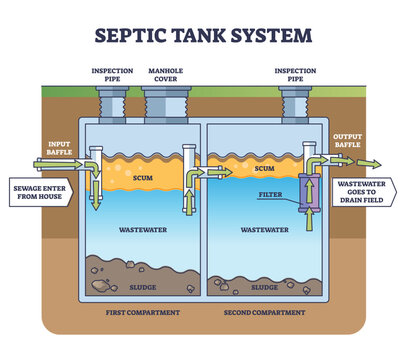
A septic tank is an underground chamber made of concrete, fiberglass, or plastic used to treat and dispose of household wastewater. It is a key component of a septic system, which also includes a drain field where the treated effluent is released into the soil.
The septic tank works by separating solid waste from liquids; the solids settle to the bottom as sludge, while oils and fats float to the top as scum. Bacteria within the tank break down these solids, but over time, the accumulation of sludge and scum can become problematic if not regularly removed.
Consequences of Not Pumping Your Septic Tank
Failing to pump your septic tank regularly can lead to several severe issues:
1. System Overload and Backup
When solids accumulate beyond the tank’s capacity, they can no longer be effectively broken down by bacteria. This excess sludge and scum can rise into the household plumbing, causing sewage backups in sinks, toilets, and showers.
Such backups are not only unpleasant but also pose significant health risks due to exposure to harmful bacteria and pathogens.
2. Drain Field Damage
The drain field is designed to absorb and treat effluent from the septic tank. However, when excess solids enter the drain field, they can clog the soil, preventing proper absorption.
This leads to water pooling on the ground surface, unpleasant odors, and the potential for untreated wastewater to contaminate groundwater sources.
3. Groundwater Contamination
A compromised septic system can allow untreated sewage to seep into the groundwater, which is a critical source of drinking water for many communities. Contaminated groundwater can spread bacteria, nitrates, and other harmful substances, posing serious public health risks and environmental damage.
4. Costly Repairs and Replacement
Neglecting septic tank maintenance can result in extensive damage that is expensive to repair. In severe cases, an entire septic system may need to be replaced, involving significant labor and material costs. Regular pumping is a small investment compared to the financial burden of major repairs or system replacement.
5. Unpleasant Odors
A full septic tank emits foul odors that can permeate your property and surrounding areas. These smells are not only unpleasant but can also indicate the presence of harmful gases like hydrogen sulfide, which is hazardous to health.
Signs Your Septic Tank Needs Pumping
Recognizing the early signs that your septic tank requires pumping can help prevent major issues. Here are some indicators to watch for:
- Slow Drains and Toilets: If water drains slowly from sinks and showers or if toilets frequently clog, it may indicate a full septic tank.
- Pooling Water or Wet Spots: Unexplained wet spots or puddles in the yard, especially near the septic tank or drain field, can signal drainage problems.
- Foul Odors: Persistent sewage smells around your home are a clear sign of septic system issues.
- Lush Vegetation: Unusually green grass or dense vegetation over the septic tank or drain field area may indicate excess moisture from a malfunctioning system.
- Septic Tank Sludge Levels: Professional inspections can determine the sludge and scum levels in your tank, indicating when pumping is necessary.
How to Prevent Septic System Failures
Regular maintenance is the key to preventing septic system failures. Here are steps you can take to ensure your septic tank functions efficiently:
Schedule Regular Pumping
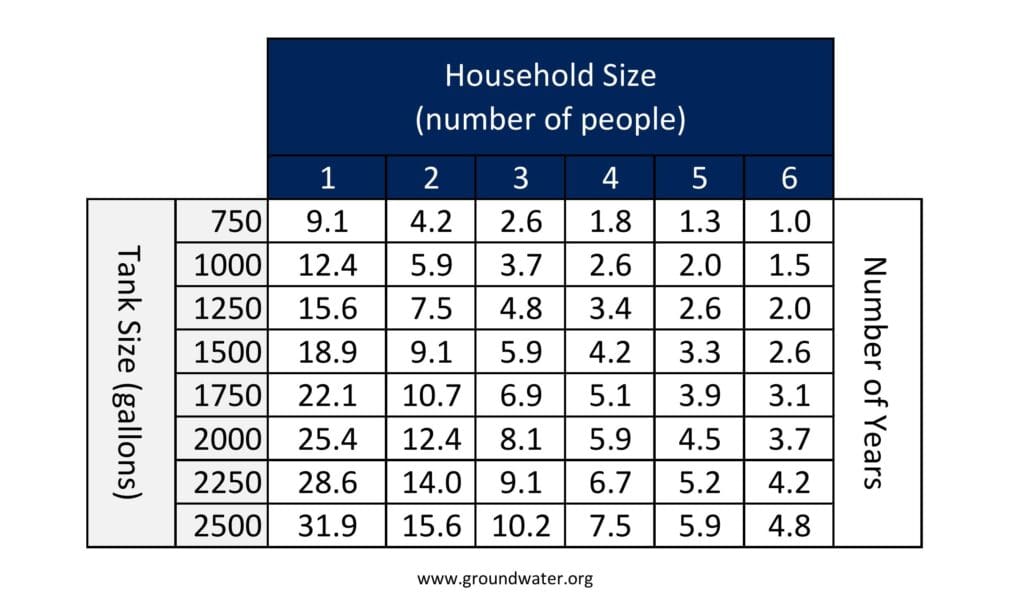
Experts recommend pumping your septic tank every 3 to 5 years, depending on household size and usage. Regular pumping removes accumulated solids, reducing the risk of system overload and drain field damage.
Conserve Water
Excessive water usage can strain your septic system. Implement water-saving measures such as fixing leaks, installing low-flow fixtures, and spreading out laundry loads to prevent overwhelming the system.
Mind Your Plumbing Habits
Be cautious about what you flush or pour down the drain. Avoid disposing of non-biodegradable items, grease, oils, and harsh chemicals that can disrupt the bacterial balance in the septic tank.
Protect the Drain Field
Prevent vehicles, heavy machinery, and large structures from being placed over the drain field. Plant only grass or shallow-rooted plants near the drain field to avoid damaging the system.
Regular Inspections
Have your septic system inspected by a professional every few years. Regular inspections can identify and address potential problems before they escalate into costly repairs.
The Health and Environmental Impact
A malfunctioning septic tank poses significant health and environmental risks:
- Health Hazards: Exposure to untreated sewage can cause illnesses such as gastrointestinal infections, skin rashes, and respiratory issues. Children and immunocompromised individuals are particularly vulnerable.
- Environmental Damage: Contaminated wastewater can pollute local water sources, harming wildlife and disrupting ecosystems. Nutrient overload from sewage can lead to algal blooms and dead zones in nearby water bodies.
Cost Implications of Neglecting Septic Tank Maintenance
Neglecting septic tank maintenance can lead to substantial financial burdens:
- Emergency Repairs: Addressing sudden septic system failures often requires urgent and expensive repairs.
- System Replacement: In severe cases, replacing an entire septic system can cost several thousand dollars, a significant investment compared to routine maintenance expenses.
- Property Damage: Sewage backups and groundwater contamination can damage your home’s foundation, landscaping, and other structures, leading to additional repair costs.
Choosing the Right Septic Pumping Service
Selecting a reliable septic pumping service ensures your system is maintained correctly. Consider the following when choosing a service provider:
- Reputation and Reviews: Look for companies with positive customer feedback and a strong reputation in your area.
- Licensing and Certification: Ensure the service provider is licensed and certified to handle septic systems.
- Transparent Pricing: Choose a company that offers clear and upfront pricing with no hidden fees.
- Timely Service: Prompt and efficient service is crucial, especially if your septic system is experiencing issues.
- Comprehensive Services: Opt for providers that offer a range of services, including inspections, pumping, and repairs.
Long-Term Solutions and Upgrades
In addition to regular pumping, consider these long-term strategies to enhance your septic system’s performance:
Install a High-Efficiency Septic Tank
Modern septic tanks are designed to handle larger volumes of wastewater and are more efficient at breaking down solids. Investing in an upgraded tank can extend the lifespan of your septic system.
Add a Pumping Alarm
A septic pumping alarm can alert you when your tank reaches a certain level, ensuring timely maintenance and preventing overflows.
Incorporate Water Recycling Systems
Water recycling systems reuse treated wastewater for irrigation and other non-potable purposes, reducing the load on your septic system and conserving water.
Frequently Asked Questions
How often should I pump my septic tank?
Most septic systems require pumping every 3 to 5 years, depending on household size and wastewater usage. Regular inspections can help determine the appropriate schedule for your system.
What are the signs of a failing septic system?
Signs include slow drains, frequent toilet clogs, pooling water in the yard, foul odors, and lush vegetation over the drain field. Early detection can prevent costly repairs.
Can I use additives to reduce the need for pumping?
While some additives claim to reduce sludge buildup, they are generally not recommended by professionals. Regular pumping remains the most effective maintenance method.
How much does septic tank pumping cost?
Costs vary based on tank size, location, and service provider. Investing in regular maintenance can prevent more expensive repairs in the future.
What should I do if my septic tank is full?
Contact a professional septic pumping service immediately to prevent backups and further damage. Avoid using water and plumbing fixtures until the issue is resolved.
Conclusion
Regular septic tank pumping is essential for maintaining a healthy and functional wastewater management system. Neglecting this crucial maintenance task can lead to severe consequences, including system failures, environmental damage, and significant financial burdens.
By understanding the importance of septic tank maintenance, recognizing the signs of a full tank, and choosing a reliable septic pumping service, you can ensure the longevity and efficiency of your septic system. Protect your home, health, and the environment by prioritizing timely septic tank pumping and adhering to best maintenance practices.
For more information or to schedule a service, contact our expert team today. Let us help you keep your septic system running smoothly and efficiently.