Radon is a naturally occurring radioactive gas that can pose significant health risks when concentrated in indoor environments. As concerns about air quality and indoor safety continue to rise, many homeowners are turning to radon mitigation systems to ensure safer living spaces. This page provides an in‐depth look at the key components of a radon mitigation system—from the fan and piping to the venting mechanism—and explains how each part works together to efficiently reduce radon levels.
Our goal is to empower you with a clear understanding of how these systems are engineered, the science behind their operation, and why proper installation is critical for safe and effective radon reduction. If you have questions or wish to explore a custom installation for your home, please contact our team for expert advice and guidance.
Main Components of a Radon Mitigation System
A radon mitigation system is comprised of several interconnected parts that work in unison to reduce radon concentration. These consist of subsystems that extend from the household’s foundation to the external ambient air outside the home. Below we detail each of these essential components.
The Radon Fan
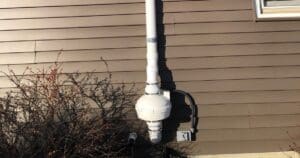
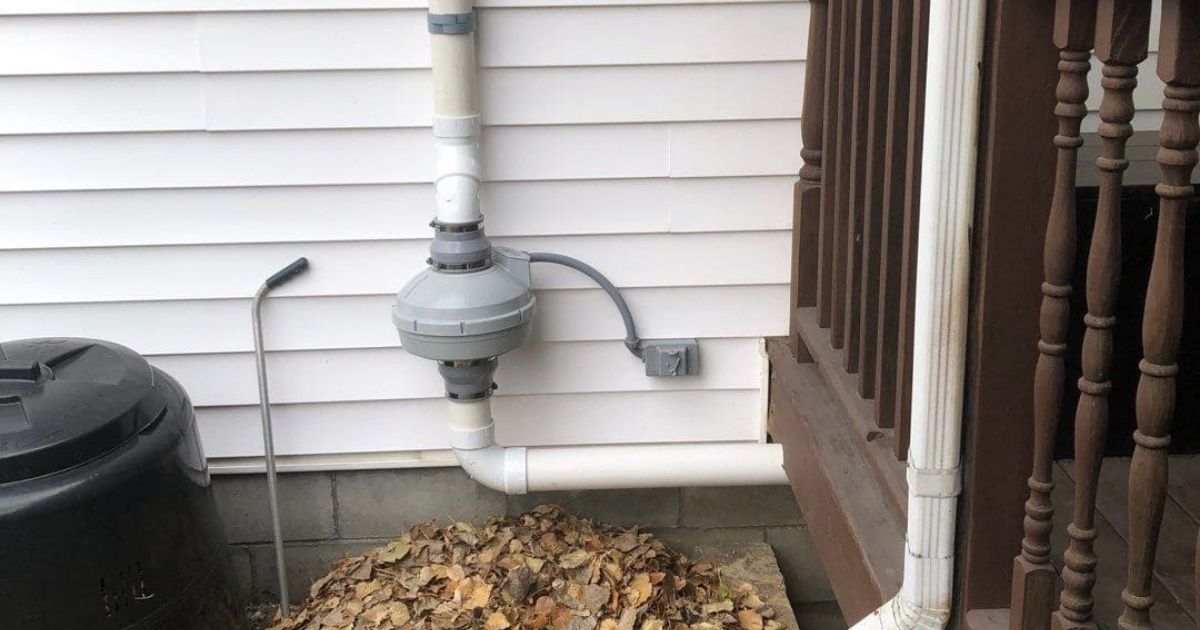
At the heart of any radon mitigation system is the radon fan. This specialized fan is designed specifically to create a suction, drawing radon-laden air from beneath your home and expelling it into the outdoor environment. The efficiency and reliability of the radon fan ensure that radon levels are continuously reduced.
Key features of the radon fan include:
- High efficiency: Engineered to operate at low sound levels while maintaining strong airflow.
- Durability: Constructed to withstand continuous operation in a variety of conditions.
- Energy efficiency: Optimized to reduce consumption while performing daily tasks.
Note: Regular maintenance checks are crucial to ensure the continued effectiveness of the radon fan.
Interconnecting Piping System
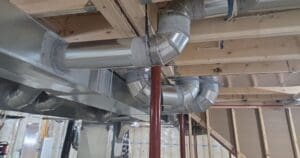
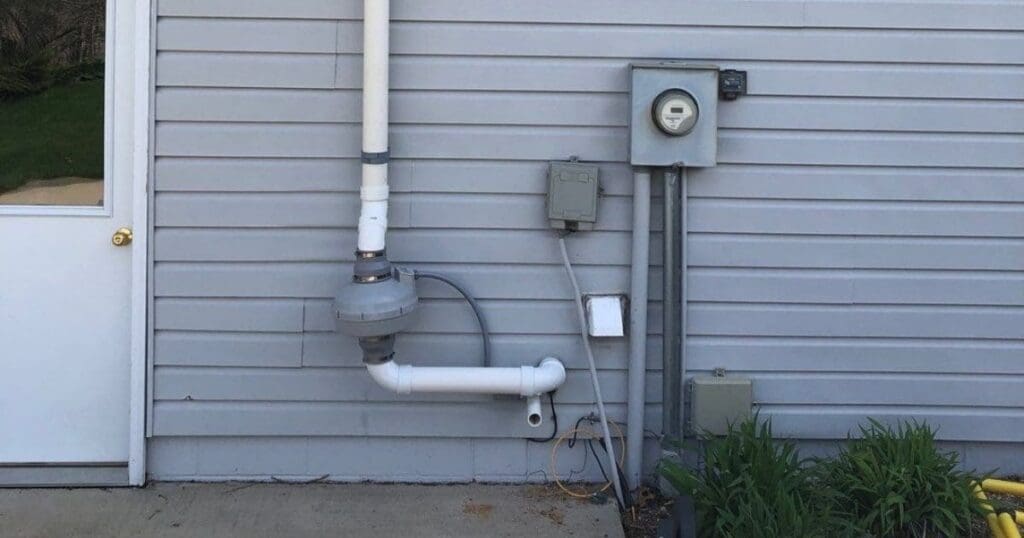
The piping system is the backbone that connects the fan to the radon entry points and ultimately to the venting system. Typically made of durable, long-lasting materials, these pipes are designed to withstand both internal pressure variations and external environmental conditions.
The system’s layout is vital; proper placement and routing of the pipes determine the overall efficiency of the radon mitigation system.
Important aspects of the piping system include:
- Sealed connections: Designed to prevent any leaks that could reintroduce radon into the living space.
- Strategic routing: Ensures optimal airflow from the point of radon entry to the fan and eventually to the vent.
- Quality materials: Utilize corrosion-resistant and weather-resistant materials to maintain integrity over time.
The Venting System
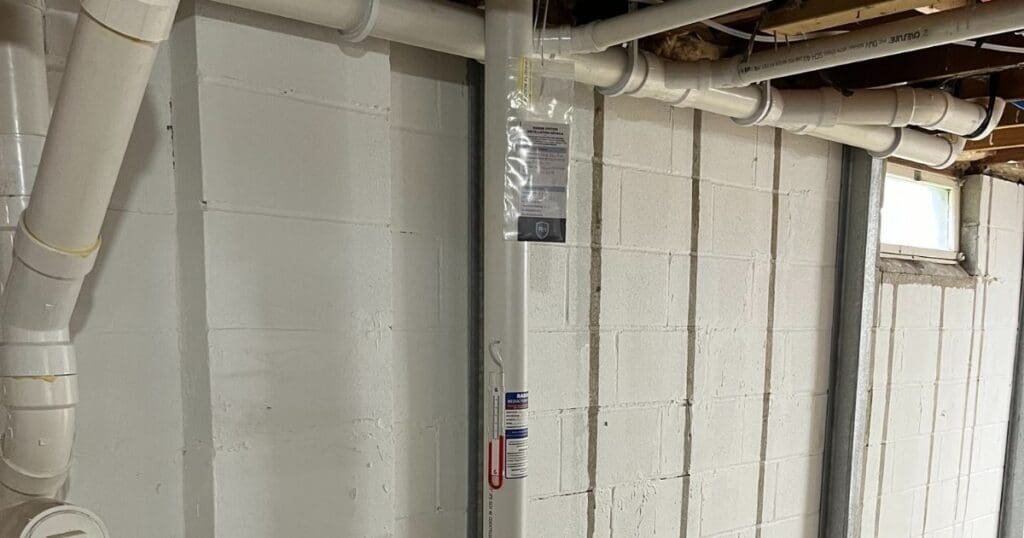
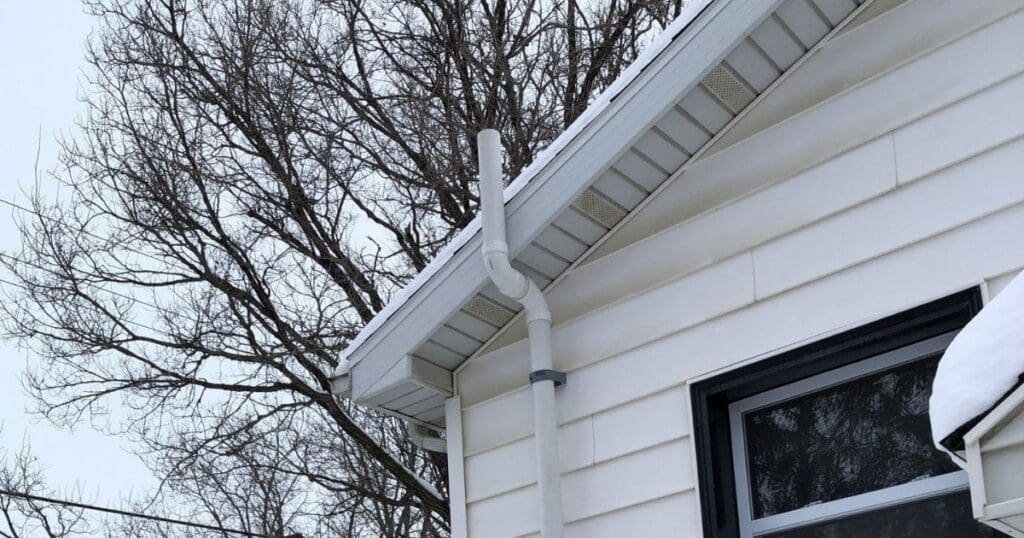
Once the radon gas is drawn out by the fan, it must be safely vented away from the home. The venting system ensures that the gas is expelled high above the roofline to prevent it from re-entering the living space. The vent assembly includes a vertical pipe that terminates at an appropriate height to account for local wind conditions and building design.
The configuration of the venting system is critical:
- Height requirements: The vent must extend to a height that ensures expelled radon is sufficiently dispersed.
- Diffusers: Specialized components that help scatter the radon gas efficiently into the atmosphere.
- Weather considerations: Vents incorporate design features to mitigate the effect of wind and extreme weather conditions.
Installation and Maintenance Considerations
The best radon mitigation system is only as effective as its installation and ongoing maintenance. Improper setup or neglecting maintenance can significantly compromise the system’s performance. Here, we provide guidance on what to expect during the installation process and why routine inspections are essential.
Installation Process
Professional installation is highly recommended to ensure the system operates at peak efficiency. Expert technicians evaluate your home’s specific radon levels, entry points, and structural nuances before determining the optimal configuration.
The installation process typically includes:
- Pre-installation testing: Measuring the radon levels in various parts of your home to define the severity of the issue.
- System design: Creating a custom layout that takes into account your home’s foundation, ventilation points, and overall design scheme.
- Installation of components: Proper placement of the radon fan, pipes, and vent. This stage ensures each component is securely connected and correctly positioned.
- Verification: Post-installation testing confirms that the system is effectively reducing the indoor radon concentration.
It is advisable to request references and upgrade documents during this process to fully understand the expectations from your investment.
Regular Maintenance and Inspection
Once your radon mitigation system is installed, ongoing maintenance is crucial to ensure long-term performance and safety. A well-maintained system can operate efficiently for years, reducing the risk of radon re-entry.
The recommended maintenance actions are:
- Annual inspection: A full system check to identify any wear or damage to the fan, pipes, or vent.
- Fan maintenance: Cleaning and testing the fan to ensure that it is operating with the desired airflow rate.
- Seal integrity checks: Verifying that all connections and joints in the piping system are still secure and leak-free.
- Component replacement: Replacing any parts that show signs of wear or are no longer performing at optimum levels.
Advanced System Features and Upgrades
In recent years, radon mitigation technology has advanced considerably. Homeowners are now offered various upgrade options that increase the precision and convenience of these systems.
Some of these advanced features include:
- Digital Control Panels: These panels provide real-time monitoring of system performance, displaying metrics such as airflow rate and radon levels.
- Smart System Integration: Easily connect your radon mitigation system with home automation platforms, allowing remote monitoring and control.
- Energy-Efficient Components: Modern fans and sensors that adapt their performance based on current radon concentrations, thus reducing power consumption.
Investing in such upgrades can significantly improve system efficacy. They not only boost safety but also add value to your property through modernized, cutting-edge technology.
Tip: When exploring advanced options, consult with a certified professional to ensure compatibility with your existing setup.
Troubleshooting Common System Issues
Even with the most advanced systems, occasional issues can arise. Identifying and addressing these issues promptly can prevent performance degradation or system failure.
Below are some common challenges homeowners may face, along with recommended remedies:
- Low Fan Performance: Check for obstructions in the intake or exhaust paths. Over time, debris or ice may reduce the airflow. Professional cleaning or minor adjustments may be necessary.
- Piping Leaks: Inspect all connections for signs of wear or damage. Re-sealing or replacing faulty sections of the pipe can restore system integrity.
- Ineffective Venting: Confirm that the vent outlet is unobstructed and at the recommended height. Nearby structures or vegetation might impede proper gas dispersion.
- Inconsistent Radon Readings: Fluctuating levels may indicate sensor malfunctions or environmental changes. Regular calibration of monitoring devices is essential, and consultation with professionals is recommended for accurate diagnostics.
We urge you to reach out to our experts if troubleshooting seems overwhelming. Our team is available to guide you through the process or assist in performing necessary repairs.
Safety Standards and Certification
It is imperative for any radon mitigation system to meet regulatory safety standards. These guidelines and certifications ensure that the systems are constructed and installed according to rigorous protocols, ensuring maximum protection for residents.
When considering a radon mitigation system, look for the following certifications:
- National Radon Proficiency Program (NRPP): Certification indicating that installers meet stringent testing and quality standards.
- National Radon Safety Board (NRSB): This certification ensures that the mitigation system adheres to established safety practices.
- Local Building Codes: Compliance with local codes further guarantees that the system is safe and effective for its specific geographic area.
Adhering to these standards is not just about meeting government regulations—it reflects a commitment to the health and well-being of every household member.
Conclusion
Radon mitigation is an essential step in protecting your family and ensuring a healthy home environment. With the combined efforts of a high-quality radon fan, a meticulously installed piping system, and a properly functioning vent, you can significantly reduce radon concentrations.
Each component plays a pivotal role: the radon fan expels the gas, the piping system offers a sturdy and secure medium for transport, and the vent ensures that the gas is dispersed safely into the atmosphere. Together, these parts form a comprehensive barrier against the hidden dangers of radon.
Investing in a proficient radon mitigation system is an investment in your health and future. We encourage you to review the detailed information on each component, understand the overall system operation, and get professional support when needed. Your peace of mind is our priority.
For personalized assistance or to explore your home’s specific requirements, please contact us today. Our experienced team is ready to help you navigate the process and design a solution that meets your unique needs.
Thank you for visiting our page and taking the proactive step towards ensuring a safer, healthier living environment. Remember, the journey to a radon-safe home begins with informed decisions and expert support.