Power outages can be a major disruption to your home, and when the electricity comes back on, your HVAC system is one of the first things you need to verify is in proper working order. In this comprehensive guide, we detail the critical steps to take after a power outage to ensure your HVAC system remains safe, efficient, and ready to maintain your home’s comfort. Following our expert guidance can help you avoid costly repairs and safeguard your system from potential damage.
Understanding the Impact of Power Outages on Your HVAC System
A power outage might sound like a minor inconvenience, but it can have several substantial effects on your HVAC equipment. When power is suddenly restored, electrical surges, fluctuating voltages, and abrupt restarts can damage sensitive components including circuit boards, compressors, and control systems.
The following points summarize why a careful inspection post-outage is essential:
- Electrical Damage: Surges during power restoration can harm electronic control modules.
- Mechanical Strain: Abrupt restarts may cause mechanical components to overheat or wear down prematurely.
- System Shutdown Issues: Some HVAC systems perform delicate shutdown processes that may be interrupted, leading to malfunctions.
- Safety Hazards: Faulty components not only affect efficiency but can also pose potential safety risks such as electrical fires or carbon monoxide leaks if gas components are impacted.
Immediate Steps to Take After a Power Outage
Before you dive into any troubleshooting or system checks, safety should be your number one priority. Follow these critical steps as soon as power is restored:
- Inspect for Visible Damage: Carefully examine your HVAC system and its components for any signs of physical damage, including burned or scorched parts.
- Reset the System: Many HVAC systems come with manual reset buttons. Locate these (refer to your user manual) and reset the system to clear any fault codes or errors.
- Check the Circuit Breakers: Ensure all circuit breakers related to your HVAC system have not tripped. If any breakers have tripped, reset them and observe whether the system resumes normal operation.
- Listen for Unusual Noises: Once the system restarts, listen carefully for any abnormal sounds that might suggest internal damage or strain.
This immediate inspection can save you from more extensive damage or the need for expensive professional repairs later on.
Detailed Inspection Process
Taking a systematic and detailed approach to inspect your HVAC system post-outage can help catch problems early. Below is a step-by-step inspection guide:
1. Visual Inspection of Components
Begin by visually inspecting the HVAC unit for any obvious signs of damage. Look for:
- Discoloration or burn marks on control panels, wiring, and circuit boards.
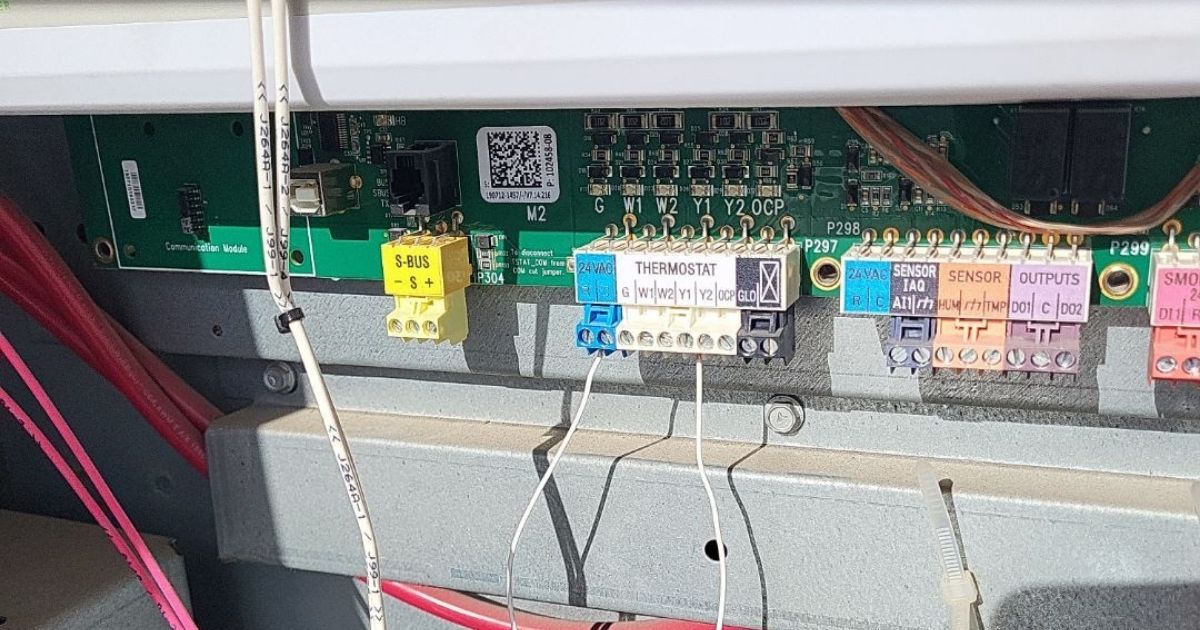
- Loose or disconnected wiring that may have resulted from the outage.
- Water or moisture accumulation near electrical components, which could indicate a risk of short circuits.
It is advisable to refer to your system’s manual for guidance on which components to inspect and where they are located. For a detailed understanding, consider the following steps:
- Examine the outdoor condensing unit: Check for any debris, water pooling, or visible signs of overheating.
- Look at the indoor air handler: Assess the display panel, inspect the blower motor, and verify that airflow is unobstructed.
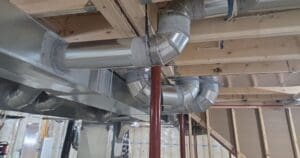
- Inspect ductwork: Be alert for unusual smells, dampness, or any signs of damage.
2. Electrical and Control System Checks
The electrical components of your HVAC system are particularly vulnerable after a power outage. Follow these steps to ensure that your electrical and control systems are operating correctly:
- Reset Controls and System Board: Some units have an internal diagnostic reset procedure. Follow the manufacturer’s instructions to reset the electronic control board.
- Test the Thermostat: Check the thermostat for proper operation. A malfunctioning thermostat can compound issues with your HVAC system by providing inaccurate temperature readings.
- Inspect Fuses and Circuit Boards: If you are comfortable doing so, examine fuses inside the unit’s junction box. Replace any fuses that appear blown. Always exercise caution when working near electrical components.
Keep in mind that working with electrical components can be dangerous. If you are not confident in your ability to safely inspect these areas, it is best to contact a qualified HVAC technician.
3. Verifying System Functionality
After the visual and electrical inspections are complete, the next step is to verify that your system is functioning correctly:
- Run a Test Cycle: Initiate a full operational cycle of your system. This should include the compressor, fan, and any auxiliary components to ensure they start up and operate without issues.
- Monitor for Errors: Check the display panel for error codes or alerts. Many modern systems include self-diagnostic functions that can pinpoint specific areas of concern.
- Verify Airflow: Confirm that the blower motor and ducts are delivering consistent airflow. Poor airflow may point to internal blockages or damage to the fans.
During this process, listen for any persistent unusual sounds, and check for any abnormal vibration which might indicate internal problems.
When to Call a Professional HVAC Technician
While many initial checks can be performed safely by a knowledgeable homeowner, some issues require professional intervention. Consider contacting a technician if:
- Error Codes Persist: If your system continues to display error codes after a reset, there may be deeper issues with the control board or electrical components.
- Unusual Noises or Vibrations: Repeated abnormal sounds, especially those coming from the compressor or motors, signal that further professional diagnostics are needed.
- Safety Concerns: Any indication of burnt wires, sparking, or signs of overheating pose serious safety risks and should be evaluated by a professional immediately.
- Repeated Tripping of Circuit Breakers: This can indicate underlying electrical problems that require a comprehensive inspection.
If you experience any of these issues, it is best to consult an HVAC professional promptly. In many cases, taking quick remedial action can prevent minor issues from escalating into major, costly repairs.
Contact our expert HVAC technicians today to schedule a post-outage inspection and ensure your home remains safe and comfortable.
Long-Term Preventive Measures to Safeguard Your HVAC System
After managing the immediate aftermath of a power outage, it is wise to consider long-term solutions to reduce the impact of future outages on your HVAC system. Implementing these strategies can prolong the life of your equipment and enhance overall system resilience.
Invest in Surge Protectors
A surge protector specifically designed for HVAC systems can guard against the damaging effects of voltage spikes. Important points include:
- Increased Protection: Surge protectors intercept sudden voltage bursts, ensuring that your system’s sensitive electronic components are shielded.
- Cost-Efficiency: While there is an upfront investment, surge protection can prevent expensive repairs or early equipment replacement.
- Easy Integration: Many surge protectors can be easily installed by an electrician or integrated into your existing home electrical system.
Regular Maintenance and Service Checks
Routine maintenance by a qualified HVAC technician is critical to the longevity and performance of your system. We recommend:
- Seasonal Tune-Ups: Have your system professionally serviced at least once or twice a year. This helps identify any underlying issues before they become significant problems.
- Filter Replacements: Regularly replace or clean the air filters to ensure optimal airflow. This also helps reduce strain on the system, improving its overall efficiency.
- Comprehensive Inspections: Ensure that a detailed inspection of both electrical and mechanical components is part of your routine maintenance schedule.
Backup Power Solutions
Considering the unpredictable nature of power outages, investing in a backup power solution can be beneficial. Common options include:
- Portable Generators: These provide temporary power to your HVAC system and other critical home systems during outages.
- Whole-House Generators: For a more seamless transition during a power failure, these systems offer a long-term solution by automatically kicking in when the main power supply is interrupted.
- Uninterruptible Power Supplies (UPS): Smaller HVAC components or essential electronic control systems may benefit from UPS systems that offer immediate battery backup.
Each of these backup systems can be tailored to your specific needs and budget, ensuring a higher level of resilience in the face of unreliable power supply.
Expert Tips and Best Practices
To further enhance your awareness and proactive approach towards maintaining your HVAC system, here are several expert tips and best practices:
- Read the User Manual: The first resource in understanding your HVAC system’s response to a power outage is the user manual. The manufacturer’s guidelines contain specific recommendations that are tailored to your unit.
- Schedule a Professional Inspection Annually: Even if no issues are apparent after an outage, an annual inspection by a certified technician can highlight any subtle or developing problems.
- Keep Emergency Contact Information Handy: Always have the contact details of a trusted HVAC repair service within reach. In emergencies, quick communication can prevent hazards from escalating.
- Document Any Issues: Maintaining a record of problems and repairs can be useful for future reference, especially if recurring issues suggest a need for system upgrades.
Understanding the Warranty and Manufacturer’s Support
Your HVAC system’s warranty might include specific clauses regarding power surges and outages. It is essential to comprehend these terms to ensure that repairs or replacements are handled appropriately. Consider the following:
- Warranty Limitations: Review the warranty documentation to understand what is covered. In many cases, damage resulting from electrical surges may not be covered unless specific surge protection devices are in use.
- Manufacturer’s Advice: Manufacturers often provide detailed instructions on how to reset and troubleshoot their equipment. Follow these guidelines closely to avoid voiding any warranty claims.
- Service Contracts: Some HVAC companies offer service contracts that cover unanticipated repairs. Evaluate these contracts to see if they provide sufficient coverage for power-related issues.
If uncertainty arises, get in touch with the manufacturer’s support team or your local HVAC service provider for guidance.
Environmental and Energy Efficiency Considerations
Power outages and the subsequent restarts of your HVAC system can impact its energy efficiency. Recognizing these factors can help you make informed decisions regarding repairs and upgrades:
- Efficiency Ratings: Post-outage checks may reveal efficiency drops due to component strain. Consider having your system recalibrated or upgraded to retain optimal energy performance.
- Environmental Impact: An inefficient HVAC system uses more energy, leading to higher utility bills and a larger carbon footprint. Ensuring that your system is operating efficiently can also contribute to energy conservation efforts.
- Smart Thermostats: Upgrading to a smart thermostat for better regulation of your system can not only optimize performance post-outage but also provide additional safeguards in the event of electrical instability.
As part of maintaining energy efficiency, review your system’s settings after a power outage to confirm that they have not reset to default values, which may not be ideal for your home’s climate or usage patterns.
Frequently Asked Questions
Below are some of the most frequently asked questions regarding HVAC systems and power outages. These answers provide additional insight and can help guide you through any further uncertainties:
What Should I Do Immediately After the Power Comes Back On?
Immediately inspect your HVAC system for any visible damage, reset any manual controls, and listen for abnormal noises while monitoring system operation closely.
Is It Safe to Reset the System Myself?
While some basic resets may be safe for knowledgeable homeowners, if you are unsure or if you encounter signs of electrical damage, it is best to leave the task to a certified HVAC technician.
How Can I Protect My HVAC System From Future Power Surges?
Investing in surge protection devices and backup power solutions, along with regular maintenance, can greatly reduce the risk of surge-related damage.
What Are the Indicators That My System Needs Professional Attention?
Persistent error codes, unusual noises, irregular airflow, and frequent tripping of circuit breakers are key signs that you should call in a professional.
Final Thoughts
Regular maintenance and vigilant checks after power outages are your best defenses against HVAC system failures. By taking immediate action and following through with long-term strategies such as surge protection and annual tune-ups, you can maximize the lifespan of your system while safeguarding your home’s comfort and safety.
Stay proactive and protect your investment — never underestimate the importance of a well-functioning HVAC system, especially during unexpected events like power outages. With the right knowledge and timely action, you can effectively prevent minor glitches from ballooning into major issues.
Thank you for taking the time to read our in-depth guide. Our goal is to empower you with the knowledge to manage your HVAC system confidently during and after power outages. For any further questions or personalized advice, please do not hesitate to reach out or call our service hotline.