Radon is a naturally occurring gas that can be found in many homes and buildings without being detected. Although it is invisible, odorless, and tasteless, radon can pose serious health risks, particularly when it accumulates in enclosed spaces.
In this guide, we take an in-depth look at common myths surrounding radon, explain the scientific facts behind its properties, and offer practical advice on how to protect your family. Whether you live in an older home or a newly built structure, understanding radon is essential for ensuring a safe environment for you and your loved ones.
Understanding Radon and Its Impact
Before diving into the myths, let’s clarify what radon is and why it matters:
- What is Radon? Radon is a radioactive gas formed naturally from the decay of uranium in the soil and rock underneath your home. It seeps up from the ground and can build up in indoor spaces.
- How Radon Affects Health: Prolonged exposure to high levels of radon has been linked to lung cancer. In fact, radon exposure is one of the leading causes of lung cancer after smoking.
- Detection and Testing: Since radon is undetectable without proper equipment, testing is the only sure way to know if radon levels in your home are high.
It is crucial to separate fact from fiction when discussing radon because many common beliefs can leave homeowners uncertain about their real risk. In the following sections, we debunk the top 10 radon myths and provide evidence-based clarification of each topic.
The Top 10 Radon Myths Debunked
Myth 1: Radon is Harmless in Small Amounts
Many believe that when radon levels are low, they are not a cause for concern. However, even low levels of radon over long periods of exposure can increase the risk of lung cancer. There is no definitive safe level of radon; the risk of adverse health effects grows with increased exposure.
It is important to test your home regularly and take precautionary measures if radon is detected, no matter how low the initial levels might be. Even small amounts can accumulate over time, particularly in well-insulated buildings.
Myth 2: Only Old Homes Have Radon Issues
Another common misconception is that radon problems are exclusive to older homes. While older homes may have more cracks and openings that can allow radon to enter, new buildings are not exempt. Modern construction techniques often focus on energy efficiency rather than air quality, which might inadvertently trap radon indoors.
Homeowners of both older and newer properties should consider radon testing as a crucial step to ensure the safety of their indoor environment.
Myth 3: Radon Comes Solely from the Soil Beneath Your Home
Although soil is the primary source of radon, it is not the only factor that contributes to indoor radon levels. Building materials, groundwater, and even the air exchange process within a building can influence radon concentration. For instance, certain types of granite and concrete may release trace amounts of radon, though the soil remains the major contributor.
This myth highlights the need for comprehensive radon mitigation strategies that take into account multiple potential sources.
Myth 4: Radon Levels Are Constant and Do Not Fluctuate
Many homeowners assume that radon concentrations, once measured, will remain stable over time. In reality, radon levels can fluctuate due to seasonal changes, weather conditions, and even alterations in household ventilation patterns. For example, during colder months when windows and doors are kept closed, radon can accumulate to higher levels compared to warmer seasons.
This variability reinforces the importance of periodic testing rather than relying on a single measurement to assess long-term risk.
Myth 5: If Your Neighbors Have a Radon Problem, So Do You
It is easy to assume that radon levels will be similar across an entire neighborhood, but this is not always the case. The geology of your property, construction techniques, and even landscaping can affect how radon enters your home. Therefore, even if a neighbor’s home has a radon issue, your own home might not, and vice versa.
It is essential for each homeowner to test their property independently to get an accurate picture of their specific situation.
Myth 6: High Radon Levels Always Produce a Noticeable Odor
One of the most reassuring yet dangerous misconceptions is that you will be able to smell radon if it’s present in high concentrations. Radon is completely odorless, tasteless, and colorless, which means you cannot rely on your senses to detect its presence. Only specialized testing equipment can accurately measure radon levels.
This mystery is why routine testing is vital, regardless of whether any unusual smells or sensations are present in your home.
Myth 7: Radon Mitigation Is Expensive and Only for Serious Cases
Some homeowners avoid testing and mitigation because they believe the process is prohibitively expensive. While costs can vary, many radon mitigation systems are very affordable compared to the health risks associated with exposure. Furthermore, several financial assistance programs and tax incentives might be available to help offset the initial costs.
Investing in mitigation can be viewed as a cost-effective measure in the long term when considering the potential medical and societal costs of radon-induced illnesses.
Myth 8: Ventilation Alone Can Solve Radon Problems
While improving ventilation is a vital component of radon mitigation, it is not a catch-all solution. Radon often enters a building through cracks and openings in the foundation, and simply increasing airflow may not be sufficient to fully remove or reduce radon concentrations. Comprehensive mitigation should include sealing entry points along with a properly designed ventilation system.
It is best to consult with experts who can evaluate the specific dynamics of your home and recommend an effective, multi-faceted approach.
Myth 9: Testing for Radon Is Complicated and Time-Consuming
The notion that radon testing requires expert intervention and complicated procedures discourages many homeowners from taking action. In reality, do-it-yourself radon test kits are widely available and provide reliable results when used according to clear instructions. These kits are both user-friendly and relatively inexpensive.
However, if results are borderline or high, it is advisable to follow up with professional testing to determine the exact levels and necessary steps for mitigation.
Myth 10: Radon is a Regional Issue and Not a Concern Everywhere
Some people wrongly assume that radon is only a problem in certain geographic areas, whereas, in truth, radon is an issue across a wide range of environments. While geological conditions do affect radon levels, every location has the potential for radon accumulation depending on local conditions, including building construction and ventilation patterns.
This myth reminds us that homeowners nationwide should be proactive about radon testing and mitigation regardless of where they live.
Beyond the Myths: What You Need to Know About Radon Testing
After debunking these common myths, the next step is understanding how you and your family can ensure a safe living environment. Radon testing is the cornerstone of managing any potential radon risk. Here are some key points about radon testing:
- Ease of Testing: Many radon test kits are designed to be straightforward, allowing homeowners to conduct the test themselves with clear instructions.
- When to Test: It is recommended to test your home during different seasons, especially in winter when homes are sealed against the cold, to ensure an accurate reading of radon levels.
- Professional Help: If initial tests reveal concerning radon levels, professional testing can provide a more comprehensive evaluation. Experts can use advanced monitoring equipment to determine the severity of radon presence in various areas of your home.
Remember, early detection is key. Scheduling regular radon tests can help prevent long-term exposure and protect your family’s health.
How to Protect Your Family from Radon Exposure
Once you understand the risks associated with radon, the next logical step is mitigation—taking measures to reduce radon levels in your home. Here are some actionable tips to help protect your family:
- Seal Cracks and Openings: Begin by inspecting your home’s foundation, walls, and floors for cracks that may allow radon to seep in. Sealing these cracks with appropriate materials can significantly reduce radon entry.
- Improve Ventilation: Increasing the airflow in your home can help disperse radon, lowering its concentration. Consider strategies like installing air exchangers and utilizing exhaust fans in strategic areas.
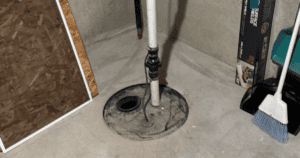
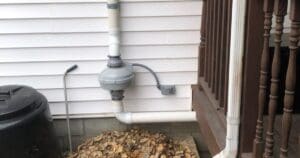
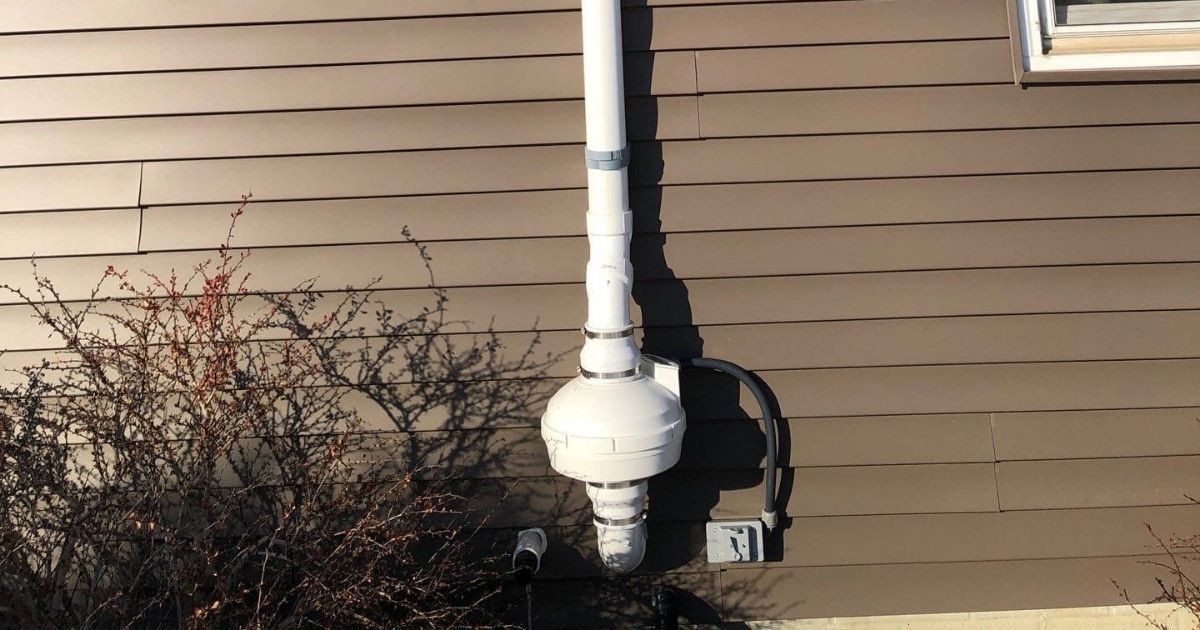
- Install a Radon Mitigation System: A professionally installed radon mitigation system is one of the most effective ways to reduce radon levels. These systems typically include sub-slab depressurization, which actively pulls radon out from beneath your home before it can enter your living space.
- Monitor Regularly: Even after mitigation, it’s important to test your home periodically to ensure that radon levels remain at a safe level.
Implementing these measures not only reduces immediate risk but also ensures that your living environment remains healthy over the long term.
Frequently Asked Questions
Here are some frequently asked questions about radon, answered to dispel any lingering doubts:
How Often Should I Test My Home for Radon?
It is generally recommended to test your home at least once every two years. However, if you have recently made major renovations or if your home has experienced significant changes in ventilation or structure, consider testing sooner.
Can Radon Levels Be Entirely Eliminated?
While it may not be possible to remove every trace of radon, a properly installed radon mitigation system can reduce indoor levels by up to 99%, ensuring they remain within safe limits.
Is It Safe to Live in an Area with Known Radon Issues?
Yes, it is safe as long as you monitor and control radon levels in your home. Even in areas with higher natural radon concentrations, effective mitigation techniques significantly reduce risk.
Conclusion
Radon is a silent threat that affects many homes, but by understanding the myths and the scientific facts behind it, you can take proactive steps to safeguard your family’s health. From dispelling misconceptions to implementing effective testing and mitigation solutions, every part of this process is important. Even if the topic of radon seems daunting, the actions you take today can have a lasting impact on your well-being.
Remember, knowledge is power. By familiarizing yourself with these radon myths and their corresponding facts, you are better equipped to make informed decisions about your indoor air quality. Begin with a simple radon test, educate yourself on the best mitigation practices, and don’t hesitate to reach out for expert guidance if needed.
We invite you to explore our website for more in-depth resources on radon safety and to stay updated with useful tips on creating a healthier living environment. Your commitment to a radon-safe home is an investment in a healthier future for you and your loved ones.